

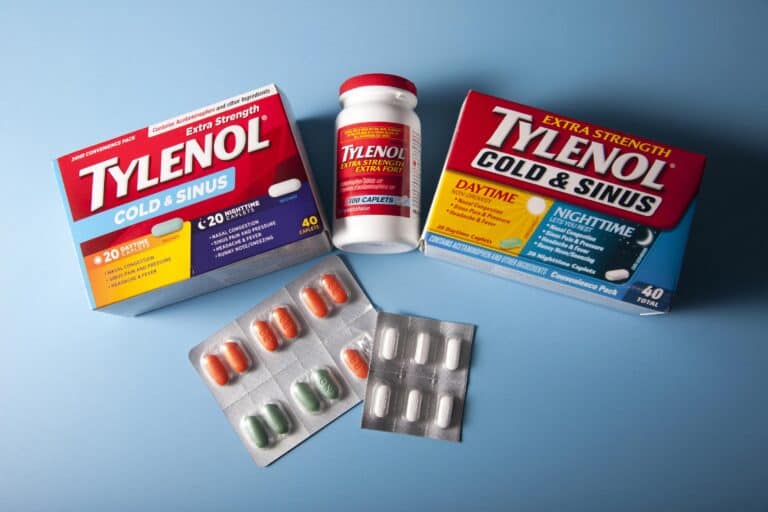
Reaching for a pain reliever like Tylenol after a few drinks might seem harmless. Many people do it to ward off a hangover or soothe a headache. But what you may not realize is that combining acetaminophen and alcohol can create a dangerous situation for your liver. It’s a common mistake, born from the fact that both substances are so widely used. Understanding what happens inside your body when these two mix is the first step toward protecting your health from unintended harm.
What Is Acetaminophen?
Acetaminophen is one of the most widely used drugs for treating mild to moderate pain and reducing fever. You probably know it best by the brand name Tylenol, but it’s the active ingredient in hundreds of other medications. According to the U.S. Food and Drug Administration, acetaminophen is found in more than 600 different over-the-counter and prescription medicines, making it the most common drug ingredient in the United States. Each week, about one in four American adults uses a product containing it.
Because it’s so common, it’s easy to take more than you realize. Acetaminophen is often a hidden ingredient in combination drugs for colds, coughs, allergies, and sleep. It’s also frequently combined with opioids in prescription pain relievers, such as in medications like Vicodin (hydrocodone) and Percocet (oxycodone). Always check the labels on your medications, where acetaminophen might be abbreviated as “APAP.” The recommended maximum daily dose for a healthy adult is 4,000 milligrams (mg), and exceeding that can put your liver at risk.
Why is it Dangerous to Mix Alcohol and Acetaminophen?
When you take a normal dose of acetaminophen, your body processes it safely. About 90% of the drug undergoes a primary hepatic pathway, glucuronidation, which neutralizes it and prepares it for elimination. A small amount, however, goes down a secondary pathway that involves an enzyme known as CYP2E1. This alternate route creates a toxic byproduct called NAPQI.
Under normal circumstances, this isn’t a problem. Your liver produces a powerful antioxidant called glutathione that quickly neutralizes NAPQI before it can cause harm. The trouble starts when you introduce alcohol. Chronic drinking increases the production of the CYP2E1 enzyme, meaning more acetaminophen is converted into the toxic metabolite NAPQI.
At the same time, alcohol depletes your liver’s supply of glutathione. This combination is a perfect storm for liver damage. With less glutathione available to neutralize a growing amount of NAPQI, the toxin builds up and begins to injure liver cells. If you struggle with an alcohol use disorder, this risk is significantly higher because the liver’s defenses are already weakened.

Check Insurance
We Accept Most Insurance
We are available 24 hours a day, 7 days a week to help you or your loved one understand your insurance coverage. 100% confidentiality guaranteed.
Side Effects of Mixing Alcohol and Acetaminophen
Mixing acetaminophen and alcohol can lead to serious health consequences, primarily affecting your liver and kidneys. An acetaminophen overdose is a major cause of acute liver failure in North America. The initial symptoms of liver damage can be subtle and easily mistaken for a bad hangover or the flu, but they can quickly become severe.
Watch for these signs of liver toxicity:
- Nausea and vomiting
- Pain in the upper right side of your abdomen
- Jaundice (a yellowing of the skin and eyes)
- Unusual tiredness or fatigue
- Loss of appetite
The danger isn’t limited to your liver. The combination can also harm your kidneys. Research shows that mixing even therapeutic doses of acetaminophen with light to moderate alcohol use can increase the risk of kidney damage by 64-118%. These effects underscore the importance of being mindful about what you put into your body.
Recognizing the signs of alcohol-related liver disease is a critical step in preventing irreversible harm. If you find yourself regularly concerned about the effects of alcohol on your health, it may be time to talk to someone.
Reducing the Risk of Liver Damage
Protecting your liver starts with using medications responsibly. The most important guideline is to never exceed 4,000 milligrams (mg) of acetaminophen in 24 hours from all sources. Since it’s in so many products, you have to be vigilant. Always read the “Active Ingredients” section on the Drug Facts label of any over-the-counter medicine you take. This simple habit can prevent an accidental overdose.
So, is it ever safe to take Tylenol when drinking? The safest answer is no. It’s best to avoid the combination entirely. If you have been drinking, it’s wise to wait at least 24 hours before taking any acetaminophen. While other pain relievers like ibuprofen or naproxen may seem like safer alternatives, they come with their own risks when mixed with alcohol, including an increased chance of stomach ulcers and gastrointestinal bleeding. The best policy is to not mix any pain relief medication with alcohol without first consulting your doctor.
What to Do When You Drink Alcohol Regularly and Taking NSAIDs
If you find yourself frequently worrying about mixing medications with alcohol, it might be a sign of a larger issue. An occasional misstep is one thing, but if this concern is a regular part of your life, it could indicate challenges with managing your alcohol consumption. This pattern may point to an alcohol use disorder (AUD), a medical condition characterized by an impaired ability to stop or control alcohol use despite adverse consequences.
Here in Massachusetts, Woburn Addiction Treatment provides compassionate and expert care to help you regain control. Our outpatient rehab Massachusetts are designed to fit into your life, offering the support you need while you continue with your daily responsibilities. You don’t have to navigate this alone; professional help can guide you toward building a healthier future.
Our team at Woburn Addiction Treatment is here to provide that support. You can call us at (781) 622-9190 or reach out to our team online to start a confidential conversation today.
Sources
- U.S. Food and Drug Administration. (August 14, 2025). Acetaminophen. U.S. Food and Drug Administration.
- National Library of Medicine. (October 15, 2025). Acetaminophen: MedlinePlus drug information. MedlinePlus.
- National Center for Biotechnology Information. (April 10, 2025). Acetaminophen toxicity. StatPearls.
- National Institute on Alcohol Abuse and Alcoholism. (April 1, 2004). Alcohol metabolism’s damaging effects on the cell. National Institutes of Health.
- Children’s Hospital of Pittsburgh of UPMC. Acetaminophen toxicity symptoms & treatment. Children’s Hospital of Pittsburgh of UPMC.
- National Center for Biotechnology Information. (October 24, 2018). Light to moderate drinking and therapeutic doses of acetaminophen. Mary Ann Liebert, Inc.
- U.S. Food and Drug Administration. (February 1, 2024). Don’t overuse acetaminophen. U.S. Food and Drug Administration.
- Hospital for Special Surgery. (December 3, 2025). Reducing side effects of nsaids like ibuprofen and naproxen. Hospital for Special Surgery.
- National Institute on Alcohol Abuse and Alcoholism. (January 1, 2013). Alcohol use disorder: A comparison between dsm–iv and dsm–5. National Institute on Alcohol Abuse and Alcoholism.
- Massachusetts Department of Public Health. (May 2, 2020). Bureau of substance addiction services (bsas). Mass.gov.
- National Center for Biotechnology Information. (January 1, 2018). Chapter 7—Treatment models and settings for people with co-occurring disorders. National Center for Biotechnology Information.


