

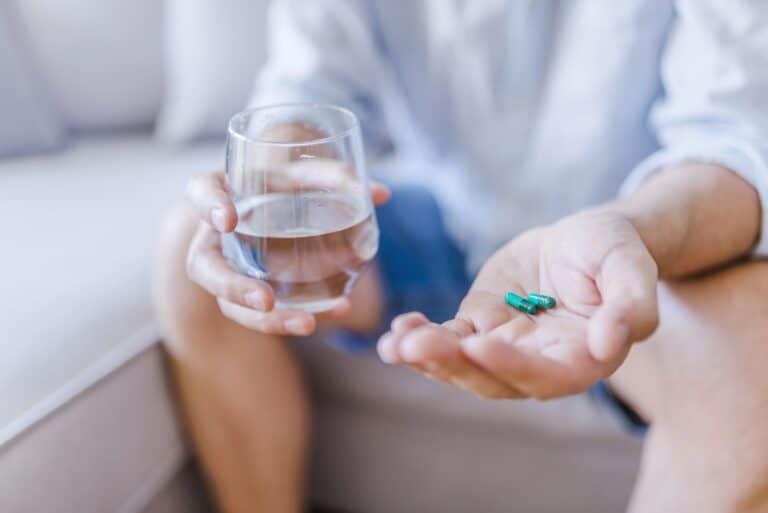
You’ve just been to the doctor for an infection, and now you have a course of antibiotics to take. But you also have plans this week that might involve a glass of wine or a beer. A question that probably comes to mind is, “Can I take antibiotics and alcohol together?” It’s a common dilemma, and the advice you’ve heard over the years might be mixed, leaving you unsure about the real risks.
Some people say it’s fine, while others warn against it entirely. The truth is, the answer isn’t always a simple yes or no. It depends on the specific antibiotic you’re taking and your own health. Making an informed choice is about understanding what’s happening inside your body when mixing alcohol and antibiotics.
We get it. Life doesn’t stop just because you’re on medication. But taking a moment to understand the potential effects can help you prioritize your health and get back to feeling your best as quickly as possible. Let’s walk through the facts together, so you can feel confident in the decisions you make for your well-being.
Why You Can’t Mix Antibiotics and Alcohol
It’s a common belief that mixing alcohol will stop antibiotics from working, but that’s not usually the main issue. For most common antibiotics, a single drink won’t make the medication ineffective. The real reason your doctor advises against mixing antibiotics and alcohol is because of the potential for increased side effects and the extra strain it puts on your body.
Think of your liver as the body’s main processing plant. It works hard to break down everything you consume, from food and medication to alcohol. When you take an antibiotic, your liver is already busy metabolizing the drug. If you add alcohol to the mix, you’re essentially giving your liver double duty. This can overwork the organ, and in some cases, it can interfere with how the medication is processed. Over time, this combined stress can even contribute to liver damage and liver disease.
More importantly, when you have an infection, your body needs all its resources to fight it off. Alcohol can weaken your immune system and disrupt your sleep, both of which are crucial for a speedy recovery. So, while alcohol might not cancel out the antibiotic’s effectiveness directly, it can certainly hinder your body’s ability to heal. The best approach during treatment is to give your body the best possible chance to recover by avoiding alcohol and letting the medicine do its job.
Common Side Effects
When mixing alcohol with antibiotics, the side effects can range from mildly unpleasant to genuinely dangerous. It really depends on which antibiotic you’re taking. Alcohol doesn’t just add its own effects into the mix; it can actually amplify the medication’s existing side effects, making you feel much worse than you would from either substance alone.
Many antibiotics already come with a list of possible side effects, such as nausea, dizziness, or an upset stomach. Since consuming alcohol can cause these same issues, drinking it while on medication can feel like a double hit. You might experience more intense nausea, vomiting, or headaches. Instead of just dealing with the infection, you’re now battling a host of other uncomfortable symptoms. Understanding these potential reactions can help you see why it’s so important to be cautious.
Disulfiram-like Reactions
The most severe interaction between antibiotics and alcohol is known as a disulfiram-like reaction. This happens when the body can’t break down alcohol properly, leading to a buildup of a toxic substance called acetaldehyde. This is the same principle behind the medication disulfiram, which is used to deter people from drinking alcohol by causing an intensely unpleasant physical reaction.
Certain antibiotics, like metronidazole and tinidazole, and some cephalosporins, can trigger this. The symptoms come on quickly and can be alarming. They often include:
- Flushing (redness and warmth of the skin)
- Throbbing headache
- Nausea and severe vomiting
- Rapid heart rate (tachycardia), experienced by up to 76% of people having a reaction
- Heart palpitations, which can affect 78% of individuals
- Sweating was reported in 63% of cases
- Dizziness, which occurs in about 56% of instances
This reaction is not just uncomfortable; it can be serious and may require medical attention. It’s one of the biggest reasons why you’ll see strong warnings against any alcohol consumption with specific antibiotics.
Central Nervous System (CNS) Side Effects
Both alcohol and certain antibiotics can act as depressants on your central nervous system (CNS). This means they slow down brain activity, which can lead to feelings of drowsiness and dizziness. When you combine them, these effects don’t just add up, they can multiply. You might find yourself feeling far more sedated, confused, or uncoordinated than you would from a drink alone.
This heightened effect on the CNS is particularly risky. Simple activities can become dangerous. That’s why it’s critical to avoid driving, operating machinery, or doing anything that requires sharp focus if you’ve mixed the two. The increased drowsiness and confusion can easily lead to accidents or injuries. Understanding that alcohol is a depressant helps clarify why these additive effects on your nervous system are a serious concern.
Stomach Side Effects
Stomach issues are one of the most common complaints with antibiotics. The medication can disrupt the natural balance of bacteria in your gut, leading to side effects like nausea, an upset stomach, or diarrhea. Alcohol is also a known irritant to the gastrointestinal tract. It can inflame the stomach lining and increase stomach acid, which is why drinking can sometimes lead to indigestion or discomfort.
When you put them together, you’re creating the perfect storm for stomach problems. Combining antibiotics and alcohol significantly increases your chances of experiencing nausea, vomiting, stomach pain, and diarrhea. Instead of helping you feel better, this combination can make you feel miserable and may even make it harder to keep the medication down, which could compromise your treatment.

Check Insurance
We Accept Most Insurance
We are available 24 hours a day, 7 days a week to help you or your loved one understand your insurance coverage. 100% confidentiality guaranteed.
How Does Alcohol Affect Your Body’s Ability To Heal?
Beyond direct drug interactions, drinking alcohol while you’re sick can simply make it harder for your body to get better. Healing from an infection requires your body to be in the best possible shape, and alcohol can interfere with this recovery process in several ways.
First, alcohol can suppress your immune system. Your body relies on white blood cells to find and destroy invading bacteria or viruses. Alcohol can slow down your body’s ability to produce these essential cells, making your immune response less effective. This means it might take you longer to fight off the infection, even with the help of antibiotics.
Additionally, restful sleep is one of the most important components of recovery. While a drink might make you feel sleepy at first, alcohol actually disrupts your sleep cycle later in the night. It leads to lighter, more fragmented sleep, robbing your body of the deep, restorative rest it needs to heal. Finally, alcohol is a diuretic, meaning it makes you urinate more and can lead to dehydration. When you’re dehydrated, it hinders all of your body’s functions, including the healing process. For all these reasons, abstaining from alcohol gives your body a better chance to recover fully.
How Long After Taking Antibiotics Can You Drink Alcohol?
So, you’re nearing the end of your prescription and wondering when it’s safe to have a drink. The most straightforward and safest advice is to wait until you have finished your entire course of antibiotics. This ensures the infection is fully cleared and gives your body time to start recovering from both the illness and the medication.
For most antibiotics that don’t have a specific interaction with alcohol, waiting until the course is done is a good general rule. However, for the high-risk drugs we’ve discussed, you need to wait even longer. With medications like metronidazole and tinidazole, it is recommended to wait at least 48 to 72 hours after your final dose before consuming any alcohol. This gives your body enough time to clear the drug from your system, so you can avoid that nasty disulfiram-like reaction.
Because everyone’s health situation is different, the best thing you can do is ask a professional. Your doctor or pharmacist can give you personalized advice based on the exact antibiotic you’re taking, your dosage, and your overall health. When in doubt, a quick phone call can provide peace of mind and keep you safe.
Fact versus Fiction: Why You Need to Avoid Alcohol and Antibiotics
At Woburn Addiction Treatment, we understand the complexities of alcohol use disorder and offer a supportive path forward. Our outpatient programs, including full-day treatment and intensive outpatient (IOP) services in Massachusetts, are designed to fit into your life while providing the structured care you need. We also specialize in dual diagnosis treatment to address any co-occurring mental health conditions, like anxiety or depression, that may be intertwined with your alcohol use. Reaching out for help is the first step toward reclaiming your health and well-being.
Taking care of yourself is the most important thing you can do. If you feel that your relationship with alcohol is making it difficult to stay healthy, we’re here to help you find a better way forward. You can speak with a caring professional by calling us at (781) 622-9190. At Woburn Addiction Treatment, we’re ready to support you on your journey to recovery. You can also contact us online to take the first step today.
Sources
- National Institute on Alcohol Abuse and Alcoholism. (May 8, 2025). Alcohol-Medication Interactions: Potentially Dangerous Mixes. National Institute on Alcohol Abuse and Alcoholism.
- National Library of Medicine. (April 24, 2000). Metronidazole increases intracolonic but not peripheral blood acetaldehyde levels in healthy men. PubMed.
- National Library of Medicine. (June 18, 2002). Lack of disulfiram-like reaction with metronidazole and ethanol. PubMed.
- Centers for Disease Control and Prevention. (January 31, 2025). Drinking Alcohol While Using Other Drugs Can Be Deadly. Centers for Disease Control and Prevention.
- U.S. Food and Drug Administration. RIFATER (rifampin, isoniazid and pyrazinamide USP) Tablets. U.S. Food and Drug Administration.
- National Library of Medicine. Rifampin-isoniazid therapy of alcoholic and nonalcoholic patients. PubMed.
- National Library of Medicine. (January 18, 2024). Association between alcohol consumption and sleep traits. PubMed.
- National Library of Medicine. (May 26, 2013). The effects of dehydration, moderate alcohol consumption, and rehydration on cognitive functions. PubMed.


