
At Woburn Addiction Treatment, we provide compassionate, evidence-based PTSD treatment in Plymouth, MA, for individuals struggling with post-traumatic stress disorder, traumatic memories, and related mental health challenges.
Our team specializes in trauma-informed approaches that prioritize safety, empowerment, and whole-person healing. Whether you’re dealing with recurring PTSD symptoms, emotional pain, or co-occurring issues like anxiety or substance use, we offer a holistic approach to care.
What Is Post Traumatic Stress Disorder (PTSD)?

Post-traumatic stress disorder (PTSD) is a mental health condition that can develop after experiencing or witnessing a traumatic event. These events might include physical or emotional abuse, sexual assault, military combat, serious accidents, natural disasters, or sudden loss. PTSD is the brain’s and body’s way of staying alert to future danger, even when the actual threat has passed.
While it’s normal to feel shaken after a traumatic experience, PTSD involves longer-term symptoms that can interfere with daily life, relationships, work, and emotional well-being. Some people may relive the trauma through flashbacks or nightmares, while others shut down emotionally or avoid anything that reminds them of what happened.
PTSD is not a sign of weakness. It’s a sign that someone has been deeply impacted by pain, stress, or fear, and their nervous system is working overtime to protect them. At Woburn Addiction Treatment, we understand with the right support, healing is not only possible—it’s transformative.
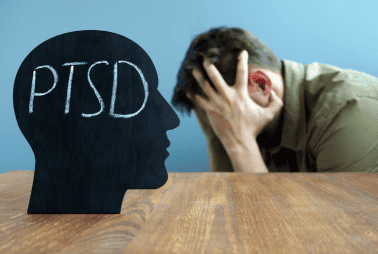
How Common is PTSD in Mental Health?
Post-traumatic stress disorder (PTSD) is more widespread than many people realize, and it can take many forms. According to the National Center for PTSD, about 6 out of every 100 U.S. adults will develop PTSD during their lifetime. Each year, an estimated 12 million adults struggle with PTSD symptoms such as intrusive thoughts, emotional numbness, anxiety, or depression. Many trauma survivors live with these effects for years, often without a formal diagnosis or the trauma-informed support they need.
PTSD doesn’t just affect the mind—it impacts the body, emotions, relationships, and daily life. Left untreated, symptoms can intensify over time and interfere with how a person feels, functions, and connects with others. In Massachusetts, trauma-related mental health issues are on the rise, contributing to one of the leading causes of disability among adults statewide.
Because trauma affects people in so many ways, effective treatment requires providers with specialized training and a broad range of approaches to address the unique needs of each individual. That’s why it’s so important to seek out trusted PTSD therapists and trauma-informed care that prioritizes healing on every level—from body to feelings to everyday function.
Understanding PTSD and Trauma Symptoms
Post-traumatic stress disorder (PTSD) is a serious mental health condition that can develop after experiencing or witnessing a traumatic event, such as combat, sexual assault, childhood abuse, natural disasters, or a severe accident. PTSD can affect every aspect of a person’s life, from emotional stability to physical health and relationships.
Common PTSD symptoms include:
- Nightmares, flashbacks, or intrusive memories
- Avoiding reminders of the traumatic event
- Overwhelming feelings of anxiety, depression, or fear
- Emotional numbness, irritability, anger, or mood swings
- Physical signs such as insomnia, hypervigilance, or panic attacks
- Difficulty managing daily life, work, or relationships
- Deep feelings of shame, guilt, or disconnection
When left untreated, these symptoms can become more severe and may lead to substance use, isolation, or worsening mental health. At Woburn Addiction Treatment, we offer a holistic approach to PTSD therapy—addressing the mind, body, and emotions to support whole-person healing and long-term recovery.

Check Insurance
We Accept Most Insurance
We are available 24 hours a day, 7 days a week to help you or your loved one understand your insurance coverage. 100% confidentiality guaranteed.
Why Trauma Therapy Evidenced-Based Approaches Matter
At Woburn Addiction Treatment, we recognize that trauma impacts far more than just emotions—it can reshape how a person thinks, feels, and moves through daily life. Many people living with PTSD or traumatic stress struggle with intense symptoms like hypervigilance, emotional numbness, anger, or chronic anxiety and depression. Without the right care, this internal suffering can feel overwhelming and isolating.
That’s why our entire model is built on trauma-informed approaches—therapeutic methods that emphasize safety, trust, and empowerment. Our clinicians receive specialized training to understand how trauma affects the nervous system, behavior, relationships, and physical well-being. Rather than pathologizing trauma responses, we work alongside our clients with compassion, respect, and deep listening.
Trauma-informed care isn’t just a philosophy—it’s a commitment to helping people rebuild their lives with dignity, connection, and hope.

Trauma-Informed Approaches and Therapy Options
Healing from trauma requires more than time—it requires the right support. At Woburn, our PTSD therapists use evidence-based approaches backed by extensive training and rooted in trauma-informed care.
Therapy options for treating trauma include:
1. Inpatient Mental Health Treatment
An inclusive on-site option that provides the space for individuals to confront and reframe negative beliefs, self-blame, and distorted thoughts stemming from trauma.
2. Intensive Outpatient Treatment
Outpatient treatment can support trauma recovery through different methods. The options of a full-day program, known by insurance companies as a partial hospitalization program, permit you the ability to go home on the weekends.
3. Dual Diagnosis Treatment
Coping with trauma can lead you to substance misuse. With dual diagnosis support, you can tackle your struggles in a more impactful manner. Complex trauma and PTSD can often leave you struggling. Cognitive processing therapy options provide ample support in this setting.
4. Family Therapy and Family Supports.
Explores how past traumatic experiences affect a person’s sense of self, offering a pathway toward self-compassion and integration.
5. Holistic Approaches
Including meditation, movement, and mindfulness to help reconnect mind and body, restore safety, and promote healing.
All of our trauma therapy options are delivered in a safe environment, with staff trained in supporting clients experiencing severe PTSD, emotional dysregulation, and related mental health conditions.
Who Can Benefit from PTSD Treatment with PTSD Therapists?
Our trauma-informed team supports individuals from all walks of life, including:
- Adults healing from childhood trauma
- Veterans or first responders experiencing traumatic stress disorder
- Survivors of sexual assault, abuse, or domestic violence
- Individuals with treatment-resistant PTSD
- People facing co-occurring challenges like addictions, anxiety, depression, or other mental health issues
Whether you’ve just begun your recovery journey or have tried other approaches, you deserve a treatment plan that fits your needs and offers space for hope, understanding, and moving forward.

Quality Mental Health Care For Lasting Recovery
Our mental health treatment center for depression, anxiety, and other disorders offers quality mental health and substance abuse treatment programs near Plymouth Massachusetts. As a state-licensed treatment provider and leader in mental health care and addiction treatment with proven success in facilitating long-term recovery, our team of top clinicians provides individualized, integrated addiction and mental health care that maximizes clinical care and education. Let us show you and your loved ones why our treatment programs are considered the gold standard in mental health care. Call us – we’re available 24/day, 7 days/week.
Signs You Might Benefit from Different Types of PTSD Treatment
Not everyone recognizes their trauma right away. Some people assume they’re just “stressed out” or “overreacting,” without realizing how past experiences may be affecting their mental and emotional health today.
You might benefit from PTSD treatment if you:
- Struggle with nightmares, flashbacks, or intrusive thoughts
- Avoid certain people, places, or conversations
- Feel numb, detached, angry, or constantly on edge
- Use alcohol or drugs to manage stress or emotional pain
- Have trouble sleeping, focusing, or trusting others
- Feel overwhelmed by anxiety, guilt, or shame
If any of these experiences sound familiar, it doesn’t mean you’re broken—it means you’ve been through something painful, and your mind and body are trying to protect you. Trauma-informed therapy can help you understand those patterns and begin to heal at your own pace.

Begin Your Healing Journey with Woburn Addiction Treatment
Healing from trauma is not about returning to who you were before—it’s about rediscovering a sense of safety, self, and possibility in your life now. At Woburn Addiction Treatment, we walk beside our clients through every step of the recovery journey, offering evidence-based therapy, trauma-informed support, and a deep commitment to whole-person care.
Whether you’re exploring Internal Family Systems therapy, managing daily symptoms of PTSD, or rebuilding trust after trauma, our team is here to help you reconnect with your inner strength and move forward at your own pace. We understand that trauma affects everyone differently, and we believe that healing should reflect that. Our team is here to help you get started.
You don’t have to navigate this path alone. With the right support, a more grounded, hopeful, and fulfilling life is within reach.
Ready to take the next step? Visit us to learn more: PTSD Treatment – Woburn Addiction Treatment
Sources
Mayo Clinic Staff. “Post-Traumatic Stress Disorder (PTSD).” Mayo Clinic, 18 May 2022.
U.S. Department of Veterans Affairs. “Common Reactions After Trauma.” National Center for PTSD, 10 Oct. 2023.
U.S. Department of Veterans Affairs. “Common Problems in Adults with PTSD.” National Center for PTSD, 10 Oct. 2023.
National Institute of Mental Health. Post-Traumatic Stress Disorder. U.S. Department of Health and Human Services, 2023.
Zoladz, Phillip R., and David M. Diamond. “Current Status on Behavioral and Biological Markers of PTSD: A Search for Clarity in a Conflicting Literature.” Frontiers in Behavioral Neuroscience, vol. 7, 2013.