

What is Ativan, and When Is Ativan Addiction Treatment or Ativan Abuse Intervention Necessary?
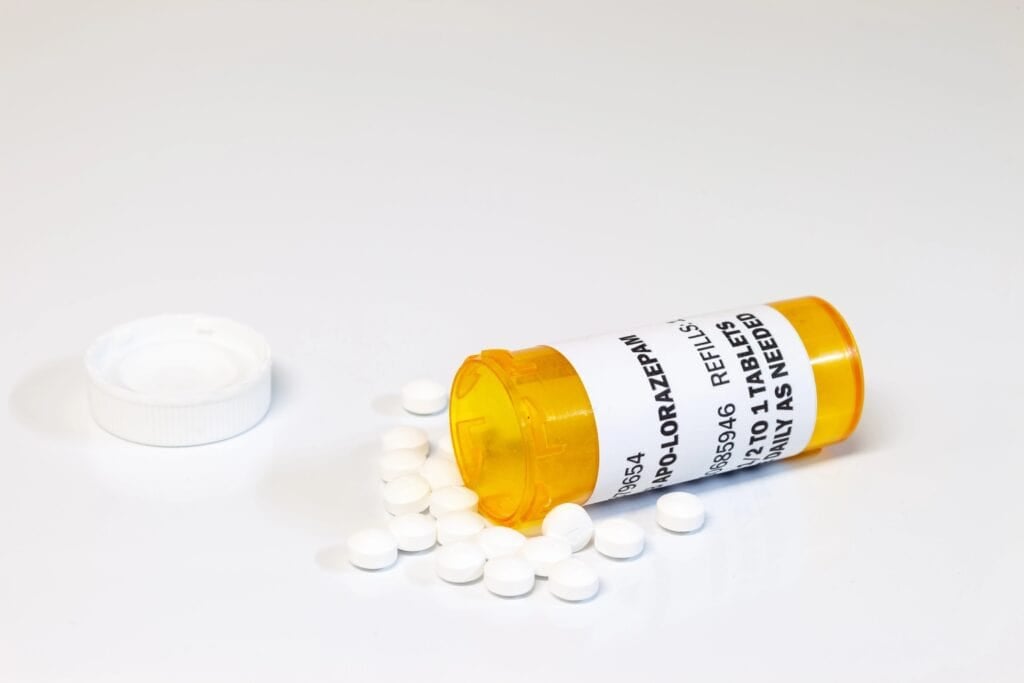
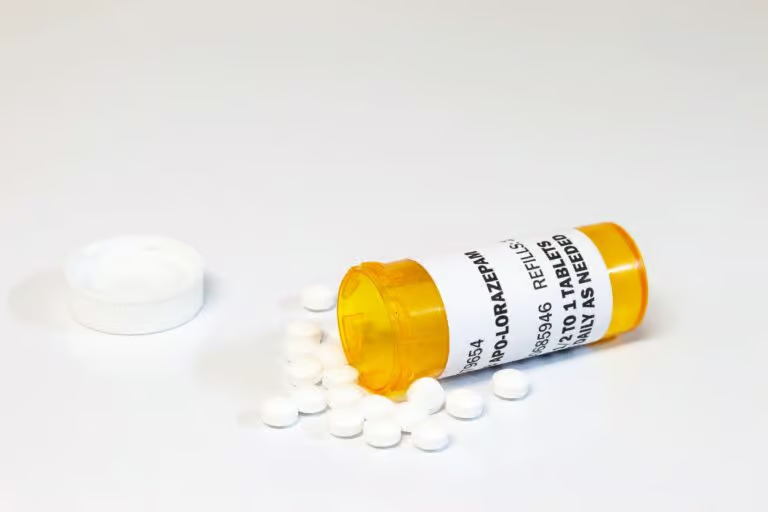
Ativan, also known by its generic name lorazepam, is a prescription medication classified as a benzodiazepine. Benzodiazepines are central nervous system depressants commonly prescribed for legitimate medical reasons, including anxiety disorders, panic attacks, insomnia, seizures, and short-term medical sedation.
When used as prescribed and for limited periods, Ativan can be effective at reducing anxiety, calming the nervous system, and helping people regain a sense of stability during acute mental health challenges.
Ativan works by enhancing the effects of gamma-aminobutyric acid (GABA), a neurotransmitter responsible for slowing brain activity. GABA plays a key role in regulating stress, fear, and anxiety. By increasing GABA’s inhibitory effects, Ativan produces a calming effect, reduces anxiety, relaxes muscles, and can induce sedation. For someone experiencing intense anxiety or panic, this can feel like immediate relief, sometimes even a mild euphoric response.
However, the same mechanism that makes Ativan effective also makes it risky. Because Ativan directly alters brain chemistry, the brain can quickly adapt to its presence.
Over time, the body may require higher doses to achieve the same effect, leading to tolerance and a cycle of ativan abuse that can result in both physical and psychological dependence. What begins as prescribed use can quietly turn into ativan abuse, especially when the medication is taken for a longer period, in higher doses, or outside of strict medical guidance. That’s when Ativan addiction treatment is needed.
When Ativan Use Becomes an Ativan Problem
Ativan use becomes a problem when a person begins relying on the medication beyond its intended purpose or timeframe. Many people don’t start with the intention to misuse the drug, but for those who find their tolerance increasing, seeking ativan addiction treatment early can prevent the severe physical and psychological complications associated with long-term benzodiazepine abuse
Common situations that lead to misuse include taking more of the medication than prescribed or using it more frequently; in these instances, professional ativan addiction treatment is essential to break the cycle of dependency and address the underlying reasons for the increased dosage. Some individuals may visit multiple doctors to obtain additional prescriptions, while others may combine Ativan with other substances to intensify its sedative effects. Over time, misusing Ativan can become a way to cope with stress, emotional pain, or untreated mental health conditions.
Prescription use crosses into abuse patterns when control is lost. Warning signs of an Ativan problem may include taking Ativan “just in case,” increasing doses without approval, feeling anxious when doses are missed, or planning daily activities around medication use. These patterns suggest that a person develops dependence, not just physically, but emotionally and psychologically.
Ativan’s Withdrawal Symptoms
Some individuals develop severe withdrawal symptoms that require emergency care. These severe Ativan withdrawal symptoms are more likely when someone tries to quit Ativan cold turkey or has used high doses of it or other drugs for a long period.
Because benzodiazepine withdrawal syndrome affects essential neurological pathways, severe reactions can become life-threatening quickly. A gradual taper and medically supervised detox protect the brain during these destabilizing periods.

Behavioral Symptoms of Ativan Dependence
Ativan addiction often reveals itself through noticeable behavioral signs and symptoms. Changes in mood, personality, and behavior are common, especially as dependence deepens. A person may appear unusually withdrawn, irritable, or emotionally flat. Mood swings, depression, anxiety, and sudden bursts of anger can emerge as the brain struggles to function normally without the drug.
Behavioral symptoms of Ativan dependence often include slurred speech, extreme drowsiness, poor coordination, cognitive impairment, and memory problems. Individuals may lose interest in activities they once enjoyed, neglect responsibilities, or isolate themselves from loved ones.
Relationship problems, workplace issues, and declining performance are frequent consequences of ongoing Ativan misuse. As addiction progresses, daily functioning can suffer significantly. Someone struggling with Ativan addiction may miss work, forget important obligations, or engage in risky behaviors.
Physical and Psychological Effects of Ativan Misuse
Physical dependence on Ativan develops when the body adapts to the drug’s presence and relies on it to function normally. Short-term effects of ongoing Ativan misuse include sedation, dizziness, slowed reaction time, shallow breathing, and extreme drowsiness. These sedative effects increase the risk of accidents, falls, and impaired judgment.
Psychological dependence often develops alongside physical dependence. A person may feel unable to cope with anxiety, stress, or sleep without taking Ativan. Over time, Ativan addiction can worsen mental health conditions rather than improve them, leading to increased anxiety, depression, and emotional instability.
Long-term risks associated with Ativan addiction include cognitive impairment, memory loss, emotional blunting, and increased vulnerability to other substance abuse issues. The risk of Ativan overdose also rises, especially when higher doses are taken or when Ativan is combined with other drugs such as alcohol, opioids, or other benzodiazepines. Because Ativan depresses the central nervous system, overdose can result in respiratory depression, shallow breathing, coma, or death.
Ativan Overdose and Emergency Risks
An Ativan overdose can occur when too much of the drug is taken at once or when combined with other substances. Warning signs include extreme drowsiness, confusion, slurred speech, shallow breathing, slowed heart rate, and loss of consciousness. Respiratory depression is the most dangerous complication and requires immediate medical attention.
Overdose risk increases when Ativan is mixed with alcohol, opioids, or other central nervous system depressants. If you suspect an Ativan overdose, seek emergency medical help immediately because this is a medical emergency.

Check Insurance
We Accept Most Insurance
We are available 24 hours a day, 7 days a week to help you or your loved one understand your insurance coverage. 100% confidentiality guaranteed.
Why Medical Support Is So Important During Ativan Withdrawal
Ativan withdrawal is serious and potentially life-threatening. Unlike withdrawal from some substances, benzodiazepine withdrawal can cause severe neurological and psychological symptoms. When Ativan abuse is reduced or stopped abruptly, the brain, now accustomed to the drug’s inhibitory effects, can become overstimulated.
Symptoms and signs of Ativan withdrawal may escalate quickly, leading to intense anxiety, panic attacks, tremors, seizures, hallucinations, and extreme agitation. Attempting to quit Ativan “cold turkey” significantly increases these risks. That’s why medically supervised detox is essential for anyone with Ativan dependence.
A medically supervised detox allows clinicians to gradually taper Ativan doses while monitoring vital signs and managing withdrawal symptoms safely. Medical detox reduces the risk of seizures, stabilizes the nervous system, and provides medication support when needed. This level of care is critical for safely beginning Ativan addiction recovery.
Ativan Withdrawal Timeline
Emotional and behavioral symptoms during withdrawal often include intense anxiety, irritability, mood swings, depression, confusion, and heightened sensitivity to light and sound. Some individuals experience paranoia or panic attacks that feel overwhelming without medical support.
The Ativan withdrawal timeline typically begins within 6–24 hours after the last dose, peaks within several days, and can last weeks or longer. Protracted withdrawal symptoms may persist for a longer period, making ongoing treatment and support essential.

Professional Ativan Addiction Treatment Options
Professional Ativan addiction treatment addresses both the physical and psychological aspects of dependence. Treatment options typically begin with medical detox, followed by structured therapy and ongoing care. Medical detox provides stabilization, while inpatient treatment offers intensive support in a controlled environment.
Treatment options include:
- Individual therapy
- Group therapy or support groups
- Cognitive Behavioral Therapy
- Dialectical Behavioral Therapy
- Motivational interviewing
- Relapse-prevention therapy
- Family therapy
- Residential treatment
These approaches strengthen coping skills, improve emotional resilience, and support long-term recovery after detox.
Start Ativan Addiction Treatment Today
Ativan dependence is serious, but no one has to face it alone, and it is possible to overcome. With structured treatment plans, therapy, medication support, and a detailed discharge plan for continued progress, healing becomes safer and more manageable at an addiction center like Woburn Addiction Treatment.
If you or someone you love needs Ativan addiction treatment, give us a call at (781) 622-9190 or contact us online. Hope begins with a single step, and we’re here to help you take it.
Sources
Lorazepam tablets. (2025, August 4). Cleveland Clinic.
Website, N. (2023, February 17). About lorazepam.


Ativan Addiction Treatment FAQs
Questions about Ativan addiction and withdrawal are common, especially for individuals and families seeking help for the first time. The answers below provide clear guidance, realistic expectations, and next steps so you can make informed decisions about treatment and recovery.

