

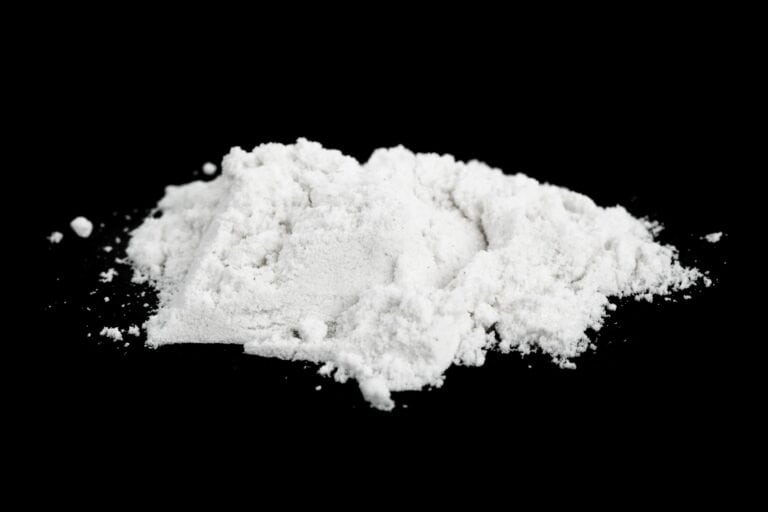
China White is a street name that has evolved over time, but today it most often refers to fentanyl or fentanyl analogs sold as heroin. Unlike traditional street heroin derived from the opium poppy, China White typically contains synthetic opioids manufactured in clandestine laboratories. These substances are far more potent than heroin and are responsible for a dramatic rise in overdose deaths across the United States.
Understanding China White is critical in the context of the ongoing narcotic epidemic. From unintentional narcotic overdose patients arriving in the emergency department to forensic investigations conducted by county coroner offices, China White has been repeatedly linked to life-threatening respiratory depression and statistically significant increases in drug overdose cases.
What is China White?
First things first, let’s be very clear: modern “China White” is not a type of heroin. It’s a street name for illicitly made substances that are part of the fentanyl family. Think of it as a dangerous imposter. While it mimics the effects of traditional opiates, it’s a completely synthetic drug of abuse created in a lab. Its chemical makeup can change from one batch to the next, meaning there’s no way to know what you’re actually getting.
This substance is often a fentanyl analogue, like alpha-methylfentanyl or 3-methylfentanyl, which are chemically similar to fentanyl but can have vastly different potencies. Some versions are “only” as strong as medical-grade fentanyl, which is already about 50 to 100 times more potent than morphine. Other versions can be thousands of times stronger than heroin. Because these street drugs are unregulated, they are often mixed with other substances, making them incredibly unpredictable. This extreme and unreliable potency is what makes China White so deadly and is a primary driver of accidental overdoses.
Signs Someone May Be Using China White
Because China White typically contains fentanyl or fentanyl analogs, the signs of use closely resemble other powerful synthetic opioids. However, the intensity and speed of onset are often more severe due to its potency.
Extreme Drowsiness and “Nodding Off”
One of the earliest signs is unusual sleepiness. The person may appear to drift in and out of consciousness, struggle to keep their eyes open, or seem mentally foggy. Speech may become slow or slurred. They may appear disconnected from conversations or unable to focus.
Pinpoint Pupils
Very small pupils that do not respond normally to light are a classic sign of opioid use. Even in dim lighting, the pupils may remain constricted. This physical symptom is one of the most recognizable indicators of fentanyl-related substances like China White.
Slowed Breathing
As the drug’s pharmacologic actions affect the central nervous system, breathing may slow significantly. Shallow breathing, long pauses between breaths, or visible chest weakness are serious warning signs. Respiratory depression is the primary cause of overdose death with synthetic opioids.
Pale or Bluish Skin
Reduced oxygen levels can cause the skin to appear pale, cool, or clammy. In more severe cases, lips or fingernails may turn blue or purple. This is a medical emergency and indicates the body is not receiving enough oxygen.
Unresponsiveness or Collapse
If someone cannot be awakened, does not respond to loud voices or physical stimulation, or suddenly collapses, treat it as a suspected overdose. Gurgling or choking sounds may also occur. Call 911 immediately if these symptoms are present. Quick action can save a life.

Check Insurance
We Accept Most Insurance
We are available 24 hours a day, 7 days a week to help you or your loved one understand your insurance coverage. 100% confidentiality guaranteed.
The History of the China White Epidemic
The term “China White” isn’t new, and its history gives us a glimpse into the roots of today’s opioid crisis. Long before the current fentanyl epidemic became national news, a major outbreak in 1988 in Allegheny County, Pennsylvania, showed just how devastating these synthetic opioids could be. During this time, a potent fentanyl analogue called 3-methylfentanyl was sold on the street as “China White,” leading to a dramatic rise in unintentional drug overdose deaths. The county coroner reported a total of 18 fentanyl-positive overdose deaths that year, with 13 occurring during the main cluster of the outbreak.
This tragic event was a precursor to the crisis we face today. Emergency department staff noticed a strange pattern: patients were arriving with all the signs of narcotic overdoses, but their drug tests for opiates came back negative. This mismatch was a critical clue that a new, powerful synthetic substance was in circulation. The 1988 epidemic was an early warning about the dangers of fentanyl analogues, how they can suddenly appear, cause a rapid spike in deaths, and challenge the systems we have in place to help people.
Dangers and Signs of Overdose
The single greatest danger of using China White or any illicit fentanyl analogue is the extreme risk of overdose. Because its potency is completely unpredictable, the line between a dose that produces a high and one that is lethal is dangerously thin. An amount that seems small can easily shut down the body’s breathing and lead to death within minutes. It is critical to recognize the signs of an opioid overdose so you can act quickly and save a life. The symptoms can come on fast and are often severe.
Look for these clear, recognizable signs:
- Slow, shallow, or completely stopped breathing
- Pale, cold, or clammy skin
- Blue or purple lips and fingernails
- Limp body and unresponsiveness
- Making gurgling or choking sounds
- Pinpoint (very small) pupils
If you see these signs, it’s a medical emergency. Call 911 immediately. If you have naloxone (often known by the brand name Narcan), administer it right away. Naloxone is a medication that rapidly reverses an opioid overdose by blocking the effects of opioids on the brain and restoring breathing.
Even if you give someone naloxone and they wake up, you must still wait for paramedics to arrive. The effects of naloxone can wear off before the opioids are out of the person’s system, and they could stop breathing again. Recognizing the incredible dangers of fentanyl and knowing how to respond can make all the difference for narcotic overdose victims.
Treatment for China White Addiction in Massachusetts
Reading about the risks of China White can feel overwhelming, but it’s important to know that hope and effective help are available. Recovery from addiction to powerful opiates like fentanyl is not just possible; it happens every day with the right support. At Woburn Addiction Treatment, we offer evidence-based programs designed to meet you where you are, providing a path toward lasting wellness without judgment.
Our approach is centered on personalized care because we understand that every person’s journey is unique. For many, outpatient programs like our half day and full day treatment provide the structure and support needed to heal while maintaining connections to home and community. These programs often combine medication for addiction treatment (MAT) with behavioral therapies to reduce cravings and build healthy coping skills.
We also know that substance use often goes hand-in-hand with mental health challenges. That’s why our dual diagnosis treatment is so critical, it addresses conditions like anxiety or depression at the same time as the substance use, which is essential for a stable recovery. Our goal is to provide comprehensive care for fentanyl addiction that treats the whole person.
Take the First Step Toward Recovery from Drug Abuse
The information about China White is frightening, and it’s meant to be. This substance is incredibly dangerous. But the most important message to take away is that no matter how difficult things seem, recovery is achievable. We know that taking that first step can be the hardest part. Fears about judgment, the cost of treatment, or what recovery will look like can feel like huge barriers. But reaching out for help is not a sign of weakness; it is an act of incredible strength and courage.
At Woburn Addiction, a confidential assessment is simply a conversation. It’s a safe, private space for you to share what’s going on without any pressure or commitment. A caring professional will listen, answer your questions, and help you understand what treatment options might be right for you. It’s a chance to see that you’re not alone and that a team of people is ready to support you. You deserve a future free from the fear and uncertainty of addiction.
You don’t have to navigate this alone. The team at Woburn Addiction Treatment is here to provide compassionate, evidence-based care. To start a confidential conversation about your options, please call us at (781) 622-9190 or contact us online today. We’re here to help.
Sources
- Drug Enforcement Administration. (May 18, 2018). [PDF] Fentanyl Remains the Most Significant Synthetic Opioid Threat and …. DEA.
- Pacific Northwest National Laboratory. (January 1, 2021). Fentanyl Analogs | PNNL. Pacific Northwest National Laboratory.
- National Library of Medicine. China White epidemic: an eastern United States emergency …. PubMed.
- JAMA Network. An Outbreak of Designer Drug—Related Deaths in Pennsylvania. JAMA.
- Centers for Disease Control and Prevention. (January 14, 2026). Vital Statistics Rapid Release – Provisional Drug Overdose Data. CDC.
- National Institute on Drug Abuse. (January 11, 2022). Naloxone DrugFacts. NIDA.
- National Center for Biotechnology Information. (February 18, 2024). Treatment of Opioid Use Disorder. National Center for Biotechnology Information.
- National Center for Biotechnology Information. (July 1, 2004). Dual diagnosis capability in mental health and addiction treatment …. National Center for Biotechnology Information.
- Assistant Secretary for Planning and Evaluation. (March 5, 2019). Best Practices and Barriers to Engaging People with Substance Use …. U.S. Department of Health and Human Services.
- Substance Abuse and Mental Health Services Administration. (October 27, 2023). Substance Use Confidentiality Regulations. SAMHSA.


