

Watching someone you care about struggle with substance use, or facing it yourself, can feel incredibly isolating. You might notice small changes that don’t quite add up, leaving you with a sense of worry you can’t shake. Sometimes, the most telling signs are in the eyes. If you’ve ever wondered what “cocaine eyes” are, you’re not alone. It’s a term that describes the distinct effects this powerful stimulant has on a person’s eyes, and understanding these signs can be the first step toward getting help. Recognizing these symptoms isn’t about judgment; it’s about awareness, safety, and opening the door to recovery.
What Cocaine Does to Your Eyes
“Cocaine eyes” is a term used to describe the visible effects of cocaine use on a person’s eyes. It’s not a formal medical diagnosis, but it points to a collection of real, physical symptoms that are often a key indicator of recent use. When someone uses cocaine, the drug triggers a series of reactions in the body that directly impact the eyes, making them look noticeably different.
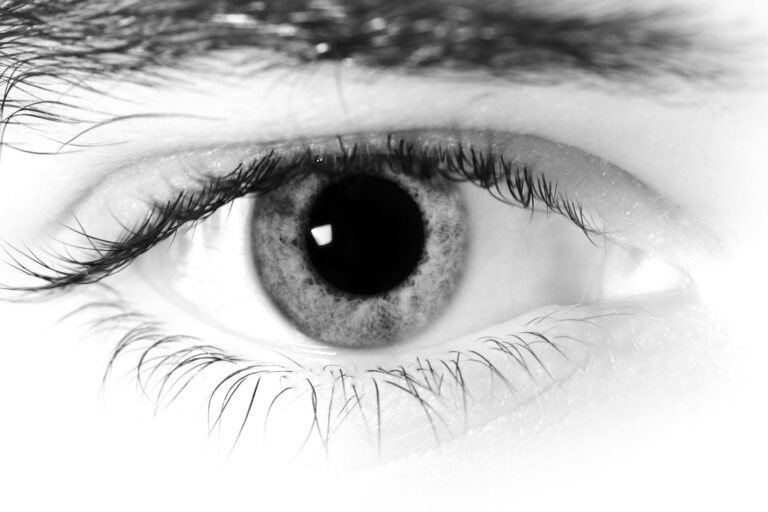
So, what do cocaine eyes look like? The most common sign is significantly dilated pupils, a condition known as mydriasis. The pupils, which are the black centers of the eyes, can become so large that they almost eclipse the colored part, or iris. This happens because cocaine stimulates the release of chemicals that cause the pupils to widen.
Along with these “cocaine pupils,” you might also notice that the whites of the eyes appear red or bloodshot. This is because the drug can restrict blood flow, leading to irritation. These are not just random changes; they are direct physiological responses to a powerful substance, and recognizing these signs of cocaine abuse can be a crucial first step.
How Exactly Does Cocaine Affect the Eyes?
Cocaine is a powerful central nervous system stimulant that creates a surge of neurotransmitters like dopamine in the brain. This flood of chemicals is what produces the drug’s intense, euphoric high, but it also kicks the body’s “fight or flight” response into overdrive. This state of high alert is behind many of the physical effects seen in the eyes.
This response signals to your body that it’s in a high-stakes situation, causing the pupils to dilate to let in as much light as possible, sharpening vision for a potential threat. While cocaine constricts blood vessels throughout the body, raising blood pressure, it can cause the tiny vessels in the eyes to become more visible, leading to a bloodshot appearance. In some cases, cocaine use can also cause nystagmus, a condition characterized by rapid, involuntary eye movements. These effects are direct consequences of how the stimulant interacts with your nervous system.
How Cocaine Impacts Your Pupils
The most dramatic effect cocaine has on the eyes is on the pupils. The drug’s impact on the nervous system directly affects the muscles that control the iris. Normally, these muscles work together to shrink or expand your pupils in response to light. When you’re in a bright room, your pupils get smaller to limit the amount of light coming in. In the dark, they get bigger to let more light in.
Cocaine disrupts this process. It keeps the pupils in a state of dilation, or mydriasis, regardless of the lighting. Someone with “cocaine pupils” will have unusually large pupils even in a brightly lit environment. This happens because the drug essentially paralyzes the ciliary muscle that would normally constrict the pupil. Understanding the neuroanatomy of the pupillary dilation pathway helps clarify how stimulants override the body’s natural responses.
Other Symptoms
Beyond dilated pupils, other symptoms can signal cocaine use. These signs often appear together, creating a distinct look associated with the term “cocaine eyes.”
- Bloodshot eyes: Cocaine can cause redness in the whites of the eyes. This happens because it restricts oxygen and blood flow, which can lead to irritation and inflammation of the blood vessels on the surface of the eye.
- Rapid eye movements (nystagmus): The stimulant effects of cocaine can disrupt the brain’s control over eye movement, leading to fluttering or jerking motions that are involuntary. This can make it difficult to focus.
- Light sensitivity (photophobia): Because the pupils are stuck in a wide-open position, they can’t properly regulate the amount of light entering the eye. This can make normal lighting feel uncomfortably bright and even painful.

Check Insurance
We Accept Most Insurance
We are available 24 hours a day, 7 days a week to help you or your loved one understand your insurance coverage. 100% confidentiality guaranteed.
Can Cocaine Cause Long-Term Damage to Your Eyesight or Vision Health?
While dilated pupils and redness might seem like temporary issues, long-term cocaine abuse can lead to severe and sometimes permanent damage to your vision and overall eye health. The risks go far beyond the immediate, visible signs. Over time, repeated use of this powerful stimulant can introduce devastating health complications.
If these signs feel familiar, either in your own life or in someone you love, please know that it’s never too late to seek help. Exploring treatment options, such as a cocaine addiction treatment program, is a courageous step toward healing and protecting your future health. Some of the most serious long-term risks include:
- Glaucoma: Cocaine use is linked to a significantly higher risk of developing glaucoma, a condition that damages the optic nerve and can lead to irreversible blindness. In fact, one study found that cocaine users have a 45 percent increased risk of open-angle glaucoma.
- Vision Loss and Blindness: By severely constricting blood vessels, cocaine can cause blockages in the arteries and veins that supply blood to the retina. This can lead to sudden, permanent vision loss.
- Corneal Ulcers: Particles from snorted or smoked cocaine can enter the eye, causing scratches and sores on the cornea. These ulcers are painful and can lead to serious infections and scarring, potentially impairing vision.
- Overdose Indicators: In some cases, severe eye symptoms can also be a sign of a larger health crisis, including an overdose, which requires immediate medical attention.
Treatment Options for Cocaine Addiction
Recognizing the signs of cocaine use is a critical first step, but the journey to recovery truly begins with finding the right support. Thankfully, healing from cocaine addiction is possible with compassionate, evidence-based care. While the full continuum of care can include medical detox and inpatient treatment, many people find lasting success in flexible and structured outpatient programs.
Programs like full day programs and outpatient programs offer a high level of support while allowing you to maintain connections with your home and community. A core component of effective treatment is behavioral therapy, which helps you develop healthy coping skills to manage triggers and cravings.
Furthermore, it’s common for cocaine addiction to coexist with mental health conditions like anxiety or depression. That’s why dual diagnosis treatment is so important; it addresses both the substance use and the underlying mental health challenges at the same time, giving you the best chance for a sustainable recovery.
Help for Cocaine Abuse is Closer Than You Think
Understanding what “cocaine eyes” are and the serious risks associated with them is a powerful act of awareness. It can be the sign that prompts a life-changing conversation or the motivation to finally seek help. Remember, these physical symptoms are not a reflection of who you are; they are the effects of a treatable health condition. Recovery from cocaine addiction is more than possible; it’s a journey that thousands of people begin every day.
You don’t have to navigate this alone. Taking the next step is about choosing hope and reclaiming your life. If you or a loved one is struggling, professional, compassionate help is available. The team at Woburn Addiction Treatment is here to provide the support you need to heal. You can start today by calling us at (781) 622-9190 or contact us today.
Sources
- PubMed Central. (January 2019). Illicit drugs: Effects on eye. PubMed Central.
- Indiana University School of Medicine. (September 29, 2011). Cocaine users have 45 percent increased risk of glaucoma. Indiana University School of Medicine.
- StatPearls. (August 8, 2023). Neuroanatomy, pupillary dilation pathway. StatPearls.
- PubMed Central. (December 22, 2024). Retinal vascular complications in cocaine abuse: A case report. PubMed Central.
- PubMed. (2010). Visual impairment caused by recreational usage of cocaine. PubMed.
- PubMed. (September 24, 2007). Corneal ulcers associated with aerosolized crack cocaine use. PubMed.
- PubMed. (2015). Corneal complications associated with the use of crack cocaine. PubMed.
- National Center for Biotechnology Information. (2003). Evidence-based practices for substance use disorders. National Center for Biotechnology Information.
- American Society of Addiction Medicine. (August 3, 2021). ASAM clinical guidelines. American Society of Addiction Medicine.
- National Institutes of Health. (January 2010). Cognitive-behavioral therapy for substance use disorders. National Institutes of Health.
- National Institute of Mental Health. (January 2025). Finding help for co-occurring substance use and mental disorders. National Institute of Mental Health.
- SAMHSA. (June 9, 2023). National helpline for mental health, drug, alcohol issues. SAMHSA.


