

An expanding pupil after using marijuana is one of the first things people notice, but most do not know what it actually means. Your eyes respond to more than just light, and what is happening behind them is worth paying attention to. Seeing your eyes change can feel unsettling, especially if you’re not sure what’s behind it. Knowing what to look for can bring real peace of mind and help you take the right next step.
What Expanded Pupils Might Mean
Pupil size is controlled by tiny muscles in the iris that respond to nerve impulses, light levels, and substances in the bloodstream. When pupils dilate, it means those muscles are reacting to something, and cannabis is one of many triggers that can affect pupil size. Weed does not cause the dramatic expanded pupils seen with stimulants or certain hallucinogens, but it can produce mild pupillary dilation, reduced pupillary constriction, and slower response to light in some users. Beyond cannabis, unusually dilated pupils or a sudden fixed pupil in one or both pupils can point to something more serious, including a head injury, Horner’s syndrome, Adie’s pupil, or microvascular cranial nerve palsy that warrants prompt medical attention. If you are noticing changes in your eyes alongside heavy substance use, that is a signal worth bringing to the addiction treatment options conversation sooner rather than later.
What Causes an Expanding Pupil?
Understanding your expanding pupil starts with knowing how your eyes normally work. The medical term for this condition is mydriasis.
Your pupils are the black centers of your eyes. Their main job is to manage how much light enters your eye. They shrink in bright spaces to protect your vision. They dilate, or expand, in dark rooms to help you see better.
When you notice your pupils expanding without a change in lighting, it points to other triggers. Pupil dilation can happen for many reasons. Some causes are completely harmless and temporary. Other causes are medical emergencies that require immediate care. Knowing the difference between a normal reaction and a warning sign is incredibly important.
Common (and Often Harmless) Causes of Dilated Pupils
The most normal reason for a pupil expanding is dim light. When you walk into a dark room, your eyes naturally adjust. This lets more light reach your retina so you can see.
Emotional arousal is another very common trigger. When you feel sudden fear, deep interest, or physical attraction, your body reacts. These feelings trigger your autonomic nervous system.
Your body releases adrenaline in response to these strong emotions. This natural chemical rush directly causes your pupil to expand. It is simply your body preparing you to take in more information.
Medications That Cause Dilated Pupils
Many standard medications can cause temporary dilation. You might notice this effect after taking over-the-counter antihistamines for seasonal allergies. Common cold medicines and motion sickness pills also cause this reaction.
Certain prescription drugs are known to dilate pupils as well. These include anti-seizure drugs, antidepressants, and muscle relaxants. Always check the warning labels on your medications.
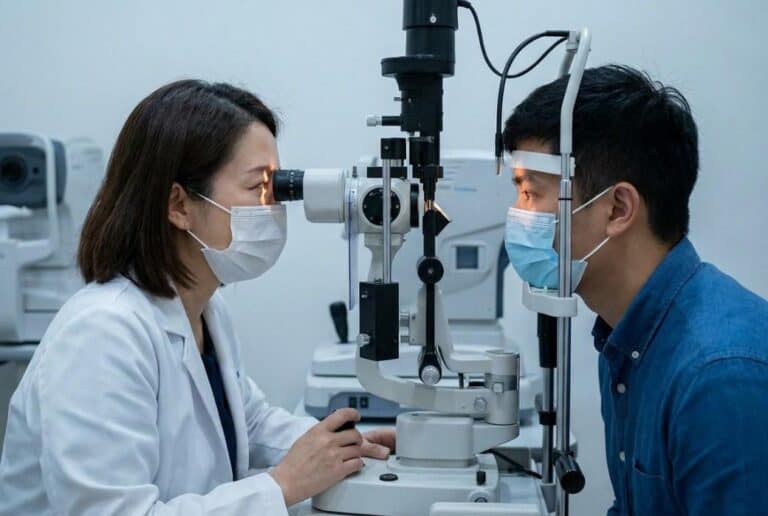
Additionally, an eye doctor will use special eye drops during a clinical eye exam. These drops intentionally force your pupils to stay wide open so the doctor can examine your retina with optimal dilated eyes.
Eye Injuries That Damage the Iris
Physical trauma to your eye can cause lasting damage. The colored part of your eye is called the iris. It contains tiny muscles that control how your pupils open and close.
If you get hit in the eye, these delicate muscles can tear. Blunt trauma from a sports injury or an accident can damage the iris muscles. When this happens, the pupil may stay locked open. This condition is called traumatic mydriasis. You should always seek immediate medical care for any direct eye injuries.
Brain Injury or Disease
Your brain tightly controls your pupil size through complex nerve pathways. Head trauma can disrupt this delicate neurological control. If you suffer a severe head injury, your brain might send the wrong signals to your eyes.
Strokes or brain tumors can also press on these vital nerves. These serious neurological conditions often cause one or both pupils to remain widely dilated.
There is also a rare neurological condition called Adie’s Syndrome. This specific disorder causes one pupil to be much larger than the other. It also causes the affected pupil to react very slowly to light changes.
If you want to learn more about how pupil responses to light and emotions work, clinical research offers deep insights into these nerve pathways.

Check Insurance
We Accept Most Insurance
We are available 24 hours a day, 7 days a week to help you or your loved one understand your insurance coverage. 100% confidentiality guaranteed.
Drug Abuse and Expanded Pupils
Substance use is a major trigger for expanded pupils. Noticing these signs in yourself or a family member can feel incredibly stressful. Common substances known to cause prolonged dilation include:
- Cocaine: This powerful stimulant directly impacts the nervous system. If you need help, a cocaine addiction treatment program Massachusetts provides structured support.
- Methamphetamines: These drugs create a massive surge of adrenaline, locking the pupils open.
- LSD: Hallucinogens heavily alter brain chemistry and vision control.
- Ecstasy: MDMA triggers artificial emotional arousal and severe dilation.
Notice Symptoms and Seek Treatment
Substance use is one of the most common causes of noticeably expanded pupils. Noticing these physical signs in yourself or a loved one can feel incredibly stressful. It is normal to feel worried or overwhelmed.
However, you are not alone in this experience. Treatment is highly accessible throughout Massachusetts. Recognizing these signs is simply the first step toward getting better. According to Boston metropolitan substance use data, thousands of local residents navigate these exact same challenges every year.
Many recreational drugs directly stimulate the nervous system. This forces the pupils to stay wide open, even in bright, sunny rooms. If you are researching drugs causing pupil dilation, you will find that stimulants have the strongest effect. These substances cause prolonged, noticeable dilation that lasts for hours.
Normal vs. Concerning Pupil Dilation
It is important to distinguish between harmless eye changes and a potential medical emergency. You might be surprised to learn that up to 20 percent of people naturally have mildly unequal pupils.
This harmless condition is called anisocoria. A comprehensive overview of anisocoria causes shows that slight, stable differences are rarely dangerous.
However, sudden changes are a major red flag. If your pupils suddenly become unequal after head trauma, you need immediate help.
Sudden dilation paired with extreme pain could signal brain bleeds or acute Glaucoma. The table below breaks down the warning signs to help you make a safe decision.

| Symptom Profile | Normal/Benign Dilation | Concerning Dilation (Seek Help) |
|---|---|---|
| Lighting Reaction | Pupils shrink quickly when exposed to bright light. | Pupils stay locked open even when a light shines directly in them. |
| Symmetry | Both eyes expand and shrink at the exact same rate. | One eye is noticeably larger than the other (sudden anisocoria). |
| Physical Symptoms | No pain, no confusion, and normal vision remains intact. | Accompanied by severe headache, confusion, or slurred speech. |
| Duration | Lasts only a few minutes, or matches your emotional state. | Persists for hours without any obvious environmental reason. |
Medically Approved Next Steps
If you struggle with co-occurring mental health and substance issues that complicate these physical symptoms, dual diagnosis treatment centers Massachusetts professionals recommend can provide comprehensive medical oversight.
Step 1: Check your environment and emotional state. Move into a well-lit room and see if your pupils shrink. Consider if you are feeling intense stress or anxiety right now.
Step 2: Review your recent medications. Check the labels on any allergy pills, cold medicines, or prescription drugs you took today. Many common medications list dilation as a harmless side effect.
Step 3: Look for other red-flag symptoms. Are you experiencing a severe headache, dizziness, or blurry vision? If you notice any of these serious signs, do not ignore them.
If the dilation is sudden, uneven, or paired with pain, seek urgent care or visit an emergency room immediately. Otherwise, schedule a standard eye exam with an ophthalmologist to rule out localized eye issues.
Addiction Treatment Programs
Noticing high eyes or changes in overall health from regular marijuana or other substance use is often the first crack in the wall. What comes next matters.
Treatment does not have to mean disappearing from your life. There are real options.
Detox and Inpatient
Withdrawal symptoms from alcohol or certain drugs are not something to push through alone. For anyone who needs medically supervised detox before stepping into outpatient care, we refer to trusted partner facilities for alcohol detox Massachusetts and inpatient rehab Massachusetts. Safety first, then the real work begins.
Intensive Outpatient Program (IOP)
The intensive outpatient program Massachusetts is for people who need real treatment without putting life completely on hold. Sessions run several times per week, covering everything from coping strategies to relapse prevention. Work, family, and daily routines stay intact while the actual work of recovery happens.
Outpatient Program (OP)
Outpatient rehab Massachusetts is where longer-term recovery gets reinforced. After PHP or IOP, outpatient keeps the momentum going with fewer weekly sessions and a focus on applying what has been learned in real life. It is less intense by design, because at this point, the skills should be starting to stick.
Medication-Assisted Treatment (MAT)
Medication-assisted treatment pairs FDA-approved medications with therapy to manage cravings and reduce the physical grip of addiction. For alcohol and opioid use disorders, especially, MAT is one of the most evidence-backed tools available. It is not a shortcut. It is medicine doing what medicine is supposed to do.
Sober Living
Leaving treatment does not mean leaving support. Sober living Massachusetts offers a structured, drug-free environment where recovery habits get practiced in real time, with peers who understand the work it takes. It bridges the gap between treatment and full independence.
Telehealth
Geography should not be a barrier to getting help. Telehealth mental health and addiction treatment connects people to care from wherever they are, with the same quality and clinical rigor as in-person sessions.
Specialized Mental Health Support
When anxiety, depression, PTSD, bipolar disorder, or other co-occurring conditions need focused attention, Woburn Addiction Treatment has targeted programming. Seek anxiety treatment program Massachusetts, depression treatment centers Massachusetts, PTSD treatment Massachusetts, bipolar disorder treatment, and more through our comprehensive mental health treatment Massachusetts programs.
Recognize Drug Use Causing Pupil to Dilate and Take Action
An expanding pupil, blurry vision, light sensitivity, and high eyes are not just side effects to scroll past. They are your body flagging something worth addressing. If substance use has become a pattern, Woburn Addiction Treatment offers detox referrals, PHP, IOP, outpatient, sober living, and specialized mental health services, all built around what each person actually needs.
Insurance coverage, payment plans, and sliding scale options are available, and our admissions team will walk you through every step. Contact us or call (781) 622-9190 and get real answers from real people. You can also find us and read reviews on our Google page. Your overall health is worth more than waiting to see what happens next.
Sources
PubMed Central. (April 26, 2024). A study of pupil response to light as a digital biomarker of recent cannabis use. PubMed Central.
National Center for Biotechnology Information. (August 8, 2023). Anisocoria. StatPearls – NCBI Bookshelf.
PubMed Central. (September 10, 2024). The presence of bilateral dilated pupils is not a death sentence in comatose patients. PubMed Central.
University of Colorado Anschutz Medical Campus. (April 18, 2024). What can pupil response reveal about cannabis use?. University of Colorado Anschutz Medical Campus.
PubMed Central. (February 21, 2013). Do we really need to panic in all anisocoria cases in critical care?. PubMed Central.
PubMed Central. (July 30, 2013). The pupil as a measure of emotional arousal and autonomic activation. PubMed Central.
PubMed Central. (August 23, 2019). Pupillometry: Psychology, physiology, and function. PubMed Central.
National Center for Biotechnology Information. (February 21, 2023). Blunt eye trauma. StatPearls – NCBI Bookshelf.
Stanford Medicine. (November 18, 2021). Pupillary responses. Stanford Medicine 25.
National Center for Biotechnology Information. (August 8, 2023). Neuroanatomy, pupillary dilation pathway. StatPearls – NCBI Bookshelf.
Substance Abuse and Mental Health Services Administration. Substance use and mental disorders in the boston-cambridge-quincy, nh/ma nhs. SAMHSA.
National Eye Institute. (November 26, 2025). Get a dilated eye exam. National Eye Institute.
Commonwealth of Massachusetts. Community behavioral health centers. Mass.gov.


