


Ever wondered how that ibuprofen you took seems to magically find your sprained ankle or how acetaminophen targets your headache? The truth is, painkillers don’t actually “know” where your pain is located—they work through complex pathways throughout your body.
Painkillers tackle different parts of these pathways depending on their type. Anti-inflammatory medications reduce swelling and inflammation at injury sites, while topical treatments like lidocaine work directly on specialized nerve cells called nociceptors that detect tissue damage. Other medications like acetaminophen may work in the brain itself, blocking the transmission of pain signals rather than targeting the pain source directly.
Understanding how different pain relievers function helps explain why certain medications work better for specific types of pain and why finding the perfect painkiller remains elusive even though medical advances.
The Myth of Pain-Targeting Medications
Painkillers don’t actually “know” where your pain is located. This common misconception leads many people to imagine medications traveling directly to injured areas like targeted missiles. In reality, pain medications work through systemic mechanisms that affect your entire body, not just the painful area.
How Painkillers Actually Work
Pain medications operate by interfering with your body’s pain signaling pathways. When you take an oral painkiller like ibuprofen or acetaminophen, it enters your bloodstream and circulates throughout your entire body. These medications don’t have GPS-like abilities to locate pain sources—they act on all relevant pain receptors or inflammatory processes they encounter.
For example, NSAIDs like ibuprofen reduce inflammation broadly by blocking cyclooxygenase (COX) enzymes throughout your body. When you take an NSAID for a sprained ankle, it doesn’t just reduce inflammation in your ankle—it temporarily suppresses inflammatory processes everywhere. You only notice the effect where inflammation is causing discomfort.
Why It Feels Like Targeted Relief
Even though they affect your entire system, painkillers seem to provide targeted relief for three main reasons:
- Location of inflammation – In injuries, inflammation concentrates at damaged tissues, making anti-inflammatory effects more noticeable at these sites
- Pain perception changes – Medications like acetaminophen alter how your brain processes pain signals, making you less aware of discomfort from specific areas
- Expectation effect – Your expectation of relief from a specific area can enhance the perceived effectiveness through psychological mechanisms
This explains why the same painkiller might help your headache but feel ineffective for dental pain—different types of pain respond to different mechanisms of action, not because the medication “finds” one pain location over another.
Topical Medications: The Exception
Topical pain relievers like lidocaine gels or diclofenac creams do provide more localized relief. When applied directly to painful areas, these medications penetrate the skin and primarily affect nearby tissues rather than circulating throughout your entire body. But, even these don’t “know” where the pain is—they simply work where you apply them.
The human pain experience involves complex pathways with multiple redundant systems, which explains why finding a perfect painkiller remains elusive. Understanding these mechanisms helps explain why certain pain conditions respond better to specific medications, regardless of their inability to automatically target pain locations.
How Pain Signals Work in the Body
Pain signals follow a sophisticated pathway from the injury site to the brain, explaining why painkillers don’t actually “know” where pain is located. This complex transmission system involves specialized nerve cells and multiple neural pathways that work together to communicate pain information.
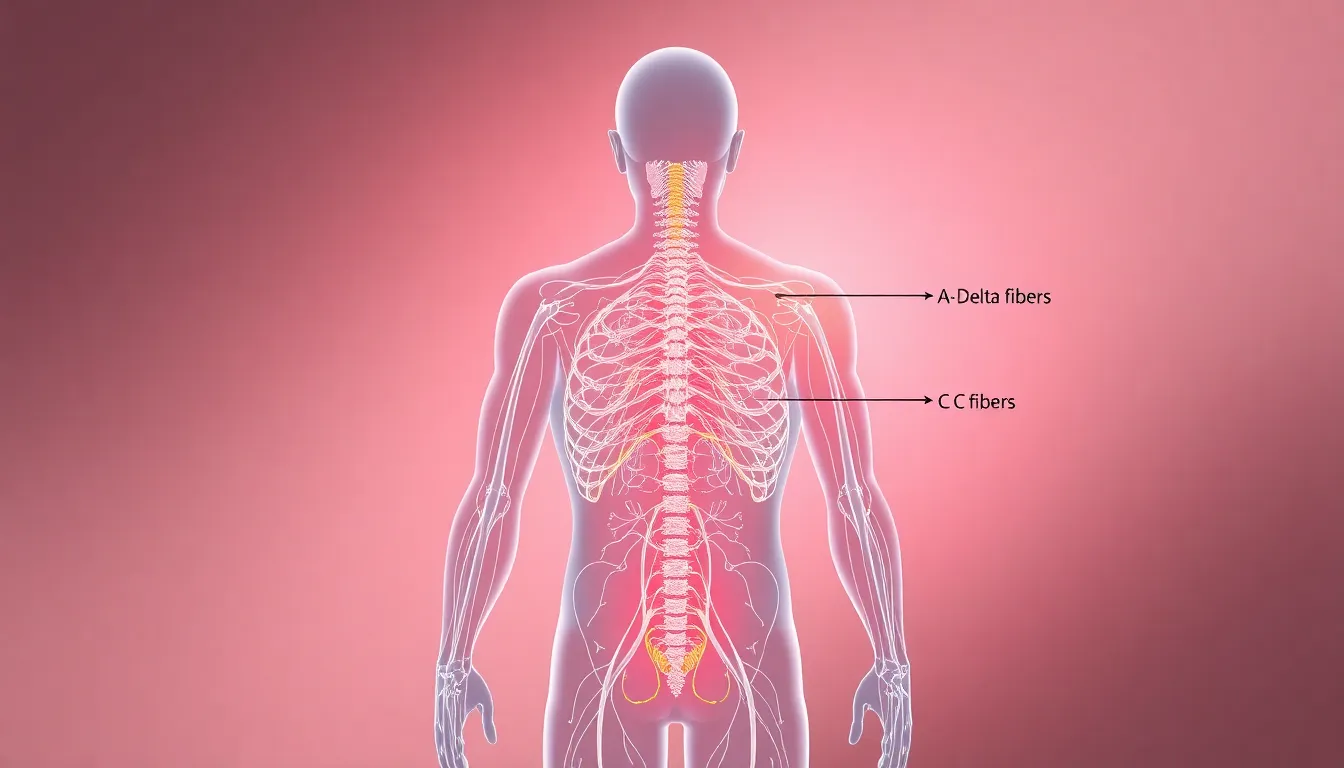
The Role of Nerve Pathways
Pain detection begins at specialized nerve endings called nociceptors that identify harmful stimuli such as injury, heat, or pressure. When stimulated, these nociceptors convert physical damage into electrical impulses that travel through primary afferent neurons to the spinal cord. In the dorsal horn of the spinal cord, first-order neurons release neurotransmitters like substance P to communicate with second-order neurons. These second-order neurons then transmit the pain signals upward along specific pathways, including the spinothalamic tract, which carries critical information about pain intensity and location.
Different types of nerve fibers handle various aspects of pain transmission:
- A-delta fibers: Myelinated, fast-conducting fibers that transmit sharp, localized pain
- C fibers: Unmyelinated, slow-conducting fibers responsible for dull, diffuse pain sensations
Pain Perception in the Brain
The brain processes incoming pain signals through specialized areas like the thalamus and cerebral cortex. These regions integrate the information to create the conscious experience of pain, including awareness of its intensity and precise location. This processing explains why painkillers don’t actually target specific pain locations but instead interfere with the transmission and processing of pain signals throughout the nervous system.
Painkillers modulate this pathway at different points—some work at the injury site to reduce inflammation, while others like opioids act on receptors in both the spinal cord and brain to inhibit pain signaling pathways. NSAIDs reduce prostaglandin production at the injury site, decreasing nociceptor activation. This explains why certain pain medications work better for specific types of pain, not because they “know” where the pain is located, but because they target the particular mechanisms involved in that pain pathway.
Different Types of Painkillers
Painkillers don’t actually “know” where the pain is located in your body. Instead, they work through different mechanisms that affect pain signaling pathways throughout the entire system. The effectiveness of different types of pain relievers depends on how they interact with specific pain pathways.
Over-the-Counter Options
Over-the-counter painkillers are readily available without a prescription and treat mild to moderate pain. NSAIDs like ibuprofen (Advil, Motrin) and naproxen (Aleve) reduce pain by blocking cyclooxygenase (COX) enzymes, decreasing the production of prostaglandins that cause inflammation and pain. Acetaminophen (Tylenol) works differently by blocking COX enzymes primarily in the brain and spinal cord, reducing pain perception without affecting inflammation at the pain site. These medications circulate throughout your entire bloodstream but appear to work specifically where you feel pain because they’re most effective at addressing the inflammation or pain signals in those areas.
Prescription Analgesics
Prescription painkillers offer stronger relief for severe pain and require medical supervision. Opioids like morphine, oxycodone, and fentanyl bind to opioid receptors in the central nervous system, spinal cord, and peripheral tissues. This binding modifies pain signal transmission and alters how your brain perceives pain. Unlike over-the-counter options, opioids don’t have a ceiling effect – higher doses generally provide additional pain relief, though with increased risk of side effects and dependency. Other prescription options include stronger NSAIDs, muscle relaxants, and specialized medications that target specific types of pain like nerve pain. These medications don’t target specific pain locations but rather modify the body’s overall pain processing systems.
How Painkillers Actually Work
Painkillers don’t actually “know” where the pain is located in your body. Instead, they work through specific mechanisms that target different aspects of the pain pathway, from the injury site to how your brain processes pain signals.

NSAIDs and Inflammation Blocking
NSAIDs (nonsteroidal anti-inflammatory drugs) reduce pain by blocking enzymes called cyclo-oxygenase (COX) that produce prostaglandins. Prostaglandins cause pain and inflammation at injury sites, so when NSAIDs inhibit these enzymes, they reduce both inflammation and pain locally where tissue damage occurs.
This mechanism explains why medications like ibuprofen and aspirin work effectively for inflammatory conditions such as sprains, arthritis, and muscular injuries. NSAIDs don’t target the pain location directly but instead reduce the biochemical signals causing pain and swelling at the inflammation site.
Opioids and the Central Nervous System
Opioids work differently than NSAIDs by binding to specific opioid receptors primarily located in the central nervous system (brain and spinal cord) and the gut. Rather than targeting the pain site directly, opioids modify how pain signals are processed and perceived by the brain.
They increase pain tolerance and alter pain perception centrally without physically targeting the injured tissue. Brain areas like the periaqueductal gray (PAG) and raphe nuclei play key roles in opioid-mediated pain relief. This central action explains why opioids can relieve severe pain but don’t actually “know” where the pain originates.
Local Anesthetics and Nerve Signal Blocking
Local anesthetics provide pain relief by blocking nerve signals from traveling from the pain site to the brain. They numb a specific area by inhibiting the conduction of electrical impulses along nerve fibers, preventing pain messages from reaching the brain.
This mechanism effectively “cuts off” pain signal transmission at the local level rather than modulating pain perception centrally. Unlike systemic painkillers, local anesthetics like lidocaine create a more targeted effect by acting directly on nerves in a specific region. However, they still don’t “know” where the pain is—they simply block all sensation in the area where they’re applied.
Paracetamol (acetaminophen) operates through less-understood mechanisms, likely acting centrally in the brain and spinal cord by inhibiting COX enzymes. Unlike NSAIDs, it doesn’t significantly reduce inflammation but helps decrease pain and fever by affecting how the brain processes pain signals.
Why Painkillers Seem to Target Pain Areas
Painkillers don’t actually “know” where your pain is located, yet they often provide relief specifically at pain sites. This phenomenon creates the illusion that medications can target painful areas when, in reality, complex biological mechanisms are at work.
The Body’s Distribution Systems
The circulatory system delivers painkillers throughout your entire body, not just to painful areas. When you take oral medications like ibuprofen or acetaminophen, they enter your bloodstream and circulate systemically. Even though this whole-body distribution, relief often feels localized because of how different pain medications interact with your body’s pain signaling systems. The medication concentration remains relatively uniform throughout your bloodstream, but the effects manifest primarily where pain signals originate or where inflammation occurs.
Concentration at Inflammation Sites
Anti-inflammatory painkillers like NSAIDs (ibuprofen, aspirin) appear to target pain by blocking specific enzymes at inflammation sites. These medications inhibit cyclooxygenase (COX) enzymes that produce prostaglandins—chemicals that heighten pain sensitivity and promote inflammation at injury locations. Since prostaglandins concentrate primarily at damaged tissues, NSAIDs effectively focus their action where pain originates, creating the sensation that they’ve “found” your pain.
For example, when you sprain your ankle, inflammatory chemicals flood the injured area. NSAIDs circulate throughout your body but produce noticeable effects at the sprain because that’s where prostaglandin production is highest. The medication doesn’t specifically travel to your ankle; rather, it works wherever it encounters the target enzymes, which happen to be concentrated at the injury site.
Other pain relievers create similar impressions through different mechanisms:
- Acetaminophen (paracetamol) acts centrally in your brain and spinal cord, likely by inhibiting COX enzymes in these areas rather than at peripheral injury sites. It modifies pain perception without significantly affecting inflammation.
- Opioid medications bind to receptors throughout your central nervous system, reducing pain signal transmission and altering pain perception. Their effects feel targeted because they block the specific pain signals coming from injured areas while leaving other sensations intact.
The pain relief you experience isn’t because medications travel directly to painful spots, but because they interact with the biological processes that create and transmit pain signals from those areas. This interaction occurs either at the site of inflammation or within the central pathways that process pain information, creating the impression that painkillers somehow know exactly where to work.
Side Effects and Limitations
Painkillers provide relief but come with significant constraints and potential health risks. These medications affect multiple body systems simultaneously, creating both therapeutic effects and unwanted reactions.

Why Some Pains Resist Treatment
Certain types of pain don’t respond well to standard pain medications, even though they have systemic effects. Chronic pain conditions, particularly neuropathic pain involving damaged nerves, often resist conventional painkillers because they operate through different neurological mechanisms than those targeted by common medications. Central sensitization, where the nervous system becomes hypersensitive to pain signals, creates persistent pain that standard analgesics struggle to address.
Pain with inflammation-independent origins typically responds poorly to NSAIDs, as these medications primarily work by reducing inflammation. Deep visceral pain from internal organs may not respond adequately to paracetamol or NSAIDs because these pain signals travel through different neural pathways. Patients who’ve used opioids long-term often develop tolerance, requiring increasingly higher doses for the same pain relief effect, eventually reaching a point where the medication becomes ineffective.
Systemic Effects of Pain Medication
Pain medications circulate throughout the entire body via the bloodstream, affecting multiple organ systems beyond just pain relief. NSAIDs like ibuprofen and diclofenac can cause gastrointestinal irritation, leading to stomach ulcers and bleeding with prolonged use. They also present cardiovascular risks, increasing the chance of heart attacks and strokes in susceptible individuals, while potentially damaging kidney function with extended use.
Opioid medications produce widespread effects beyond pain control, including sedation, constipation, and respiratory depression that can be life-threatening at high doses. Paracetamol (acetaminophen) primarily affects the liver, where it’s metabolized, and can cause severe liver damage at excessive doses. This systemic distribution explains why painkillers don’t “know” where the pain is located—they act on receptors and biochemical pathways throughout the body rather than targeting specific pain sites. These widespread effects contribute to both their therapeutic benefits and their potential for harmful side effects.
When to Use Different Pain Medications
Pain medications treat discomfort through various mechanisms, targeting different pain pathways in the body. The effectiveness of each medication depends on the specific type and cause of pain you’re experiencing.

Matching the Medication to the Pain Type
Different pain medications work best for specific pain conditions based on their mechanisms of action:
- For inflammatory pain: NSAIDs like ibuprofen and naproxen target inflammation at injury sites. These medications effectively reduce pain from arthritis, sprains, muscle injuries, and menstrual cramps by blocking enzymes that produce prostaglandins, chemicals that cause pain and inflammation.
- For mild to moderate pain: Acetaminophen (paracetamol) works centrally in the brain and spinal cord rather than at the injury site. It’s effective for headaches, fever, and general discomfort but lacks anti-inflammatory properties, making it less suitable for injuries with significant swelling.
- For severe pain: Opioids like codeine, morphine, and oxycodone modify pain perception in the central nervous system. These medications don’t specifically travel to the pain location but instead alter how the brain interprets pain signals throughout the body, making them appropriate for intense post-surgical pain or severe injuries.
- For localized pain: Topical analgesics containing lidocaine or diclofenac block nerve signals in a specific area. These medications provide targeted relief for muscle strains, joint pain, or nerve-related discomfort by interfering with pain transmission at the application site.
Considerations for Chronic Pain
Chronic pain management requires a more nuanced approach than treating acute pain:
- Multi-modal strategies: Chronic pain often responds best to combinations of medications that target different pain pathways simultaneously. This approach minimizes side effects while maximizing pain relief.
- Medication limitations: NSAIDs may cause gastrointestinal issues, kidney problems, or cardiovascular risks with long-term use. Their effectiveness for chronic conditions must be balanced against these potential complications.
- Opioid concerns: While opioids provide effective pain relief, they carry significant risks of tolerance, dependence, and addiction with prolonged use. These medications modify central pain perception rather than targeting specific pain locations, affecting the entire body.
- Alternative approaches: For long-term pain management, non-opioid medications like certain antidepressants and anticonvulsants may be more appropriate for neuropathic pain conditions. These medications work by modifying pain signal transmission in the central nervous system.
- Emerging research: Studies exploring acetylcholine-related circuits in the brain offer promising directions for new pain management approaches with fewer side effects than traditional medications.
Get Help Understanding and Managing Pain
Pain is a complex experience, and treating it effectively requires more than just the right medication—it requires the right support. At Woburn Addiction Treatment, we understand how pain and substance use can become deeply connected, especially when people turn to medications for relief without fully understanding how they work or the risks they carry.
Whether you’re dealing with chronic pain, prescription misuse, or struggling to manage discomfort without relying on opioids, our team offers compassionate, evidence-based care tailored to your needs. Reach out today to explore safe, lasting solutions for both physical and emotional healing.

Common Questions
Painkillers don’t actually “know” where the pain is located. Instead, they work systemically by affecting pain signaling pathways throughout your body. Let’s address some common questions about how pain medications work.

