

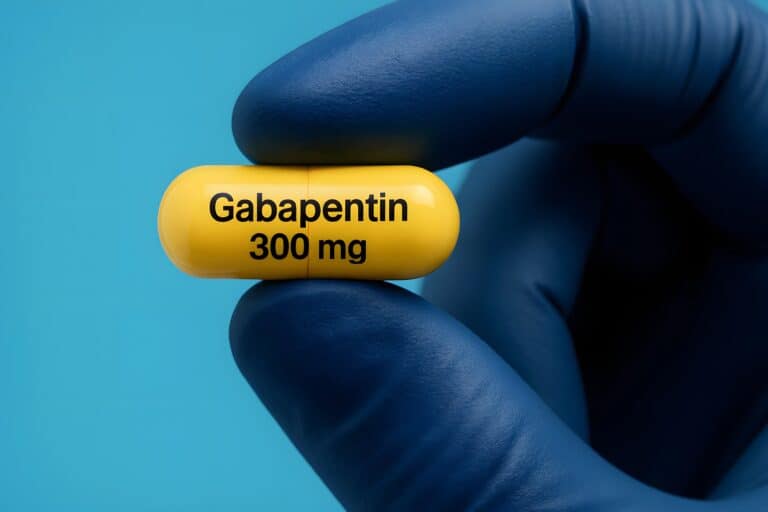
If you or someone you care about has been prescribed gabapentin, it’s natural to have questions. You might be wondering how it works, what its effects are, and, most importantly, how long it stays in your system. This isn’t just a clinical question; it’s about understanding your body and feeling in control of your health. You’re in the right place for clear, straightforward answers. We’ll walk through this together, breaking down everything you need to know about how long does gabepntin stay in your system, so you can feel informed and confident.
How Long Does Gabapentin Stay in Your System?
Gabapentin is not included in standard drug tests, like the ones often used for employment screening. However, specialized drug testing can be ordered to detect its presence if there’s a specific reason to do so, such as monitoring for misuse or confirming that a patient is taking their prescription as directed.
The detection window varies depending on the type of test used. If you have questions about what might appear on a screen, understanding the basics of how to approach a drug test can be helpful. Here’s a breakdown of how long gabapentin can be found in different samples:
| Test Type | Detection Window |
|---|---|
| Urine | Up to 3 days |
| Blood | Up to 24 hours |
| Saliva | Up to 48 hours |
| Hair | Up to 90 days (with long-term use) |
What Is Gabapentin?
Gabapentin is a prescription anticonvulsant drug, but you might know it by brand names like Neurontin or Gralise. Doctors primarily prescribe these medications to treat two main issues: nerve pain and seizures. It works by calming overactive nerve activity in the brain. Think of it like turning down the volume on pain signals or electrical misfires that can cause seizures.
It’s often used to manage neuropathic pain from conditions like shingles or diabetic neuropathy. While gabapentin is not an opioid, it’s important to know that it can still be misused and lead to physical dependence. Understanding how this medication works is the first step in using it safely and effectively. If you’re concerned about its effects, learning about gabapentin abuse and addiction can provide more clarity.
Gabapentin Half-Life
When we talk about how long a drug stays in your system, the key term is “half-life.” A drug’s half-life is simply the time it takes for your body to eliminate 50% of it. For gabapentin, the average half-life is between 5-7 hours in healthy adults. This means every 5-7 hours, the amount of gabapentin in your system is cut in half.
As a general rule, it takes about four to five half-lives for a drug to be almost completely cleared from the body. For gabapentin, this means it is typically out of your system within 1-3 days. The elimination process is consistent, as noted in the drug’s labeling by the U.S. Food and Drug Administration.
Here’s a simple hour-by-hour breakdown of its elimination:
- After 5-7 hours: 50% of the drug is eliminated (1 half-life).
- After 10-14 hours: 75% of the drug is eliminated (2 half-lives).
- After 15-21 hours: 87.5% of the drug is eliminated (3 half-lives).
- After 20-28 hours: About 94% of the drug is eliminated (4 half-lives).
This timeline gives you a clear picture of how quickly your body works to process the medication.
Factors That Influence How Long Gabapentin Stays in Your System
While the 5-7 hour half-life is a reliable average, it’s not the same for everyone. Several personal factors can influence how quickly your body processes and gets rid of gabapentin. The timeline for elimination can speed up or slow down depending on your unique physiology. Let’s look at the most important factors that affect its clearance from your system.
Kidney Function
Your kidney function is the single most important factor determining how long gabapentin stays in your system. Unlike many other drugs, gabapentin isn’t broken down by the liver. Instead, it’s almost 100% eliminated from your body through your kidneys. If your kidneys are healthy and working efficiently, they’ll clear the drug within the typical 1-3 day window.
However, if you have impaired renal function or chronic kidney disease, the elimination process slows down significantly. This can cause the drug to build up in your system, extending its effects and increasing the risk of side effects. For this reason, doctors always adjust the gabapentin dosage based on a person’s kidney health. Proper renal clearance is a key part of any safe detox and recovery process.
Age-Related Changes
Age also plays a significant role, primarily because kidney function naturally declines as we get older. For older adults, especially those over 65, clearance times for gabapentin can be 25-50% longer than for younger adults. This means the drug stays in their system longer, so a lower dosage is often needed to prevent it from accumulating.
On the flip side, younger, healthy adults and teenagers tend to clear the drug more quickly. It’s a normal part of aging, but it’s something your doctor will consider when prescribing this medication to ensure it’s both safe and effective for you.

Check Insurance
We Accept Most Insurance
We are available 24 hours a day, 7 days a week to help you or your loved one understand your insurance coverage. 100% confidentiality guaranteed.
Is Gabapentin Addictive?
This is a common and important question. While gabapentin has a much lower potential for addiction than opioids, it is possible to develop a physical dependence or a psychological addiction, particularly when it’s misused. Misuse includes taking more than prescribed, using it without a prescription, or taking it to get a euphoric “high.”
Research shows that gabapentin misuse is relatively uncommon in the general population, affecting around 1% of people prescribed it. However, the risk increases for individuals with a history of substance use. When someone develops a physical dependence, their body adapts to the presence of the drug and needs it to function normally. This is when withdrawal symptoms appear if they stop taking it. It’s crucial to distinguish between dependence and addiction, but both indicate that professional guidance may be needed.
Gabapentin Withdrawal Symptoms
If you’ve developed a physical dependence on gabapentin, stopping it abruptly can be very uncomfortable and even risky. This is why it’s never recommended to go “cold turkey.” The withdrawal symptoms are a sign that your body is trying to readjust. Common symptoms include:
- Anxiety and agitation
- Insomnia or difficulty sleeping
- Nausea and stomach pain
- Excessive sweating
- Restlessness
- Increased pain
These symptoms highlight the importance of tapering off the medication slowly under a doctor’s care to give your body time to adjust safely.
Treating Gabapentin Withdrawal and Addiction
If you’re struggling with gabapentin dependence, please know that you don’t have to go through it alone. Professional medical guidance is essential for safely tapering off the medication to manage withdrawal symptoms and prevent complications. At Woburn Addiction Treatment, we offer a compassionate and understanding approach to prescription drug addiction treatment.
Our outpatient and dual diagnosis programs are designed to help you address the root causes of substance use, especially if it’s linked to underlying conditions like anxiety or nerve pain. While we do not offer inpatient detox, our team is here to guide you to the right level of care and support you on your long-term recovery journey. There are many effective medications and therapies for substance use disorders available today. If you’re concerned about gabapentin dependence, a great first step is to explore our outpatient options and see what your insurance may cover.
Understanding the Timeline and How Long Gabapentin Stays in Your System
The most important thing to remember is that if you are struggling, recovery is entirely possible. You have the strength to move forward, and there is support available to help you every step of the way. Reaching out for a confidential conversation is a brave first step toward healing.
Understanding how long gabapentin stays in your system is an important piece of the puzzle to sobriety. You can get the help you deserve. Our team at Woburn Addiction Treatment is here to listen without judgment and help you find the right path. Please don’t hesitate to call us at (781) 622-9190 or contact our team online to start the conversation. Taking this next step could be the start of a healthier, brighter future.
Sources
- National Center for Biotechnology Information. (02-21-2024). Gabapentin – StatPearls – NCBI Bookshelf. National Center for Biotechnology Information.
- U.S. National Library of Medicine. (05-15-2020). Gabapentin: MedlinePlus Drug Information. U.S. National Library of Medicine.
- National Center for Biotechnology Information. (05-03-2025). Elimination Half-Life of Drugs – StatPearls – NCBI Bookshelf. National Center for Biotechnology Information.
- U.S. Food and Drug Administration. (2010). Neurontin (gabapentin) capsules label. U.S. Food and Drug Administration.
- U.S. Department of Justice. (n.d.). GABAPENTIN (Trade Name: Neurontin®) – DEA Diversion. U.S. Department of Justice.
- Substance Abuse and Mental Health Services Administration. (08-25-2025). Medications for Substance Use Disorders – SAMHSA. Substance Abuse and Mental Health Services Administration.
- Centers for Disease Control and Prevention. (04-25-2024). Treatment of Substance Use Disorders | Overdose Prevention – CDC. Centers for Disease Control and Prevention.
- U.S. Food and Drug Administration. (01-30-2020). Serious breathing difficulties with gabapentin and pregabalin – FDA. U.S. Food and Drug Administration.


