

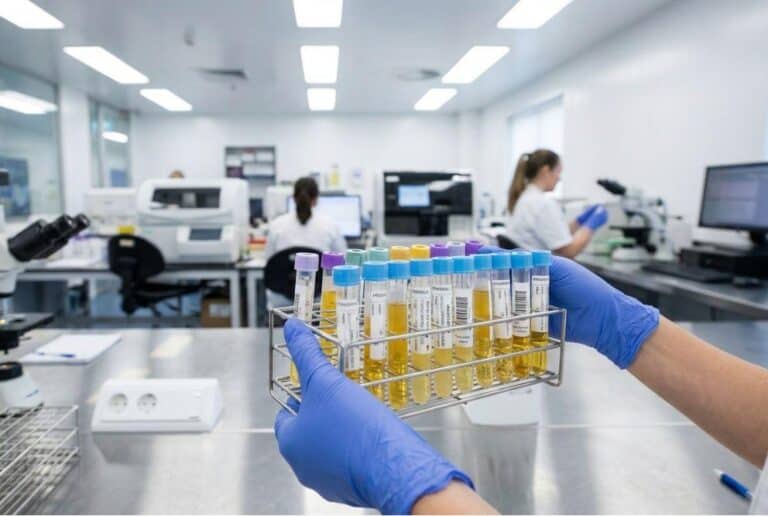
How long does ketamine stay in your system drug test results depends on several factors, including dose, frequency, and overall health. Understanding how long does ketamine stay in your system drug test screenings can help you recognize risks tied to ketamine use and seek appropriate support. If you’re searching for clear answers and some sense of control in all this worry, you’re not alone. While there are general guidelines for how long ketamine stays in the body, the truth is that everyone’s experience is a bit different, shaped by things like your health, habits, and body chemistry.
How Long Does Ketamine Stay in Your System?
Ketamine stay timelines vary depending on how the body processes the drug, how often it is used, and individual differences such as body mass, body composition, and metabolic rate. While ketamine can produce pain relief and short-term effects quickly, the time it stays in your system and remains detectable is often longer than expected. The half-life of ketamine is typically a few hours, but metabolites remain in the body beyond that window. This means ketamine stay patterns can extend detection times even after the initial effects wear off. If you are struggling with ketamine addiction, find help at a trusted rehab center that covers a variety of addiction types.
Ketamine Drug Test Detection Times at a Glance
It is completely normal to feel anxious about a pending drug screening. Fortunately, detection windows for ketamine generally follow predictable patterns. The exact timeline depends heavily on the type of test being administered. While the initial psychoactive effects of ketamine wear off in a few hours, the body takes much longer to fully clear the substance.
How long is ketamine detectable on a drug test, prescribed ketamine or not? Below is a quick reference guide to help you understand typical detection windows. Keep in mind that these are estimates. Your personal habits and health will always play a role in how quickly your body processes any substance.
| Test Type | Detection Window (Occasional Use) | Detection Window (Chronic Use) |
|---|---|---|
| Urine | 3 to 5 days | 14 days or more |
| Blood | 24 to 48 hours | Up to 72 hours |
| Saliva | 24 to 48 hours | 24 to 48 hours |
| Hair | Up to 90 days | Up to 90 days (or longer) |
How Long Ketamine Is Detectable in Different Drug Tests
Different screening methods look for drugs in unique ways. Some tests look for the parent drug itself. Other tests look for metabolites, which are the chemical byproducts created when your body breaks down a substance. For ketamine, tests often target a specific metabolite called norketamine. Norketamine lingers in your system much longer than the original drug.
How Long Does Ketamine Stay in Urine?
Urine drug tests are the most common method for employment and legal screenings. This is because roughly 90 percent of ketamine byproducts are excreted through your urine. For a single use, ketamine typically stays in your urine for 3 to 5 days. However, for chronic or heavy users, the drug accumulates in the body. In these cases, a ketamine urine test can return a positive result for 14 days or longer.
Ketamine Detection in Blood Tests
Blood tests have a much shorter detection window. Ketamine is usually only detectable in the blood for 24 to 48 hours. Because blood tests are more invasive and expensive, they are rarely used for pre-employment screening. Instead, hospitals or law enforcement use them to determine if a person is currently experiencing psychoactive effects from recent intravenous or recreational use.
Ketamine Detection in Hair Follicle Tests
A hair follicle test provides the longest look-back period of any testing method. Ketamine can be detected in the hair shaft for up to 90 days. As your hair grows, drug metabolites become permanently trapped inside the core of the hair strands. This test will not show recent impairment. Rather, metabolite screening in hair provides a detailed historical record of past substance use.

Check Insurance
We Accept Most Insurance
We are available 24 hours a day, 7 days a week to help you or your loved one understand your insurance coverage. 100% confidentiality guaranteed.
What Factors Affect How Long Ketamine Stays in Your System?
The timelines provided above are only general estimates. Your body is unique, and several personal health factors influence how quickly you clear substances.
Here are the main variables that impact your personal detection window:
- Frequency of use: Chronic use allows ketamine to build up in your body tissues. This accumulation significantly extends the time needed to test clean.
- Dosage amounts: Taking higher doses means your organs have to work harder. Larger amounts naturally take longer for the body to process and eliminate.
- Metabolism and body composition: People with a naturally fast metabolic rate clear drugs more quickly. Exploring how body composition alters substance processing shows that overall health plays a massive role in detox.
- Age: As we age, our metabolic processes generally slow down. Older adults typically require more time to clear ketamine than younger individuals.
- Hydration levels: Staying well-hydrated supports healthy urinary excretion. Dehydration concentrates your urine and can slow down the removal process.
- Liver and kidney function: Your liver breaks down ketamine, and your kidneys flush it out. Any impairment to these vital organs will delay the drug’s half-life clearance.
Does Ketamine Show Up on a Standard Drug Test?
Many people wonder if ketamine will trigger a positive result on a routine employment screen. The short answer is no. Ketamine is not typically included in standard 5-panel or 10-panel drug tests. To detect this specific drug, an employer or legal entity must order an expanded screening. Usually, this means requesting a specialized 12-panel test or a specific dissociative add-on.
When an expanded drug screening panel is used, what does ketamine show up as on a drug test? The lab will look for norketamine, the primary metabolite left behind. Standard drug testing panels simply do not look for this chemical marker.
It is also important to consider medical treatments. If you are receiving prescription esketamine therapy, such as Spravato, you should notify the testing facility beforehand. Having proper medical documentation will protect you if the clinic uses an expanded test that detects norketamine. Learning about common urine test reliability can help you prepare for these conversations.
When Worrying About a Drug Test Is a Sign to Seek Help
Constantly calculating hours and stressing over a drug test is exhausting. If you find that the fear of a positive result is taking over your thoughts, it might be time to pause. This anxiety can sometimes be a gentle warning sign. When ketamine use begins to dictate your daily peace of mind, it may indicate a larger problem. Recognizing this takes courage, and support is available without any judgment.
Signs of Ketamine Dependence
Ketamine addiction often builds slowly. You might want to consider seeking help if you notice these behavioral warning signs or psychological symptoms:
- Needing larger doses to achieve the same feeling you used to get.
- Experiencing intense cravings or urges to use ketamine.
- Spending a significant amount of time obtaining, using, or recovering from the drug.
- Continuing ketamine abuse despite negative consequences at work, school, or home.
- Withdrawing from friends, family, or activities you once enjoyed.
Understanding Ketamine Withdrawal
If you try to stop using and experience discomfort, you are likely facing withdrawal. Ketamine withdrawal symptoms are generally more psychological than physical. You might experience deep depression, intense anxiety, fatigue, and severe insomnia. Navigating these difficult feelings alone can be overwhelming. Professional drug and alcohol detox Massachusetts and inpatient rehab Massachusetts can help you manage these symptoms safely and comfortably.
Outpatient Rehab Options for Managing Addiction after Detox
Outpatient rehab Massachusetts provides ongoing care with scheduled therapy sessions. It supports individuals transitioning from higher levels of care. An intensive outpatient program Massachusetts offers more frequent therapy than standard outpatient care. It focuses on relapse prevention and coping strategies.
A partial hospitalization program Massachusetts provides a high level of care during the day while allowing individuals to return home at night. These options help you manage your addiction while living your normal life.

Alcohol and Drug Addiction and Co-Occurring Mental Health Treatment Options
How long ketamine stays in your system is important, but it’s more important to gain control over ketamine use to gain freedom from severe depression, damage to liver function, and harm to your general health. Many people who struggle with ketamine addiction also experience co-occurring mental health conditions where you can find treatment at dual diagnosis treatment centers Massachusetts. Treating both together is essential for long-term stability and reducing relapse risk.
Cognitive Behavioral Therapy (CBT)
Cognitive behavioral therapy Massachusetts helps individuals identify patterns tied to ketamine addiction and change behaviors linked to drug use. It is often used to address mental health conditions and reduce relapse risk.
Dialectical Behavior Therapy (DBT)
DBT therapy Massachusetts focuses on emotional regulation and distress tolerance. This approach is helpful for people experiencing mood swings, panic attacks, or ketamine withdrawal symptoms.
Group Therapy
A group therapy program Massachusetts provides peer support in a structured setting where individuals can share experiences with ketamine abuse and recovery. It helps build accountability and improve communication.
Individual Therapy
An individual therapy program Massachusetts offers one-on-one support tailored to each person’s needs. It allows deeper work on mental health, substance use, and the underlying causes of ketamine addiction.
Family Therapy
Family therapy Massachusetts helps rebuild trust and improve relationships affected by drug use. It also educates loved ones about ketamine addiction and recovery.
Find Ketamine Addiction Treatment near Boston, MA
If you are ready to break free from the stress of substance use, Woburn Addiction Treatment is here to support you. We provide expert, compassionate care tailored to working adults in Greater Boston and the surrounding suburban Massachusetts communities.
You do not have to leave your family or career behind to get serious clinical help. Our structured outpatient programs allow you to heal while maintaining your daily responsibilities.
If you are feeling trapped by your substance use, reaching out for professional support is the safest way to regain control of your life. You can contact us online or call (781) 622-9190 to discuss your specific situation. Visit our Google Business page to learn more about available programs and take the next step toward recovery.
Sources
National Institute on Drug Abuse. (2024). Hallucinogens. National Institute on Drug Abuse.
Substance Abuse and Mental Health Services Administration. (2023). National Helpline for Mental Health, Drug, Alcohol Issues. Substance Abuse and Mental Health Services Administration.


