

When someone’s experiencing an opioid overdose, quick action with Narcan (naloxone) can make the difference between life and death. But you might wonder: how many doses can you safely administer in this critical situation?
There’s actually no maximum limit to how many Narcan doses you can give during an opioid emergency. You can administer doses every 2-3 minutes until the person responds and begins breathing normally. The number of doses needed varies based on several factors: the type of opioid used (with powerful drugs like fentanyl often requiring multiple doses), the amount taken, and the individual’s unique physiology. While Narcan is considered extremely safe with no misuse potential, it’s crucial to call 911 immediately after administration, even if the person appears to recover.
What Is Naloxone (Narcan) and How Does It Work?
Naloxone, commonly known by the brand name Narcan, is a life-saving medication specifically designed to rapidly reverse opioid overdoses. It works by attaching to opioid receptors in the body, reversing and blocking the effects of other opioids to restore normal breathing in someone experiencing an overdose.
Understanding Opioid Overdose Reversal
Naloxone functions as an opioid antagonist, meaning it binds to opioid receptors with higher affinity than opioids like heroin, morphine, oxycodone, and fentanyl. This competitive binding action effectively neutralizes the overdose effects within 2-3 minutes of administration. When administered, naloxone rapidly counteracts the respiratory depression and sedation caused by opioids, which are the primary life-threatening aspects of an overdose.
The medication comes in different FDA-approved formulations, with the intranasal spray (Narcan) being the most common and accessible version. After intranasal administration of one 4mg spray, the medication reaches maximum concentration in approximately 30 minutes with a half-life of about 2 hours.
It’s important to understand that naloxone only works when opioids are present in the body. The medication has no effect on someone who hasn’t taken opioids, making it safe to administer even if you’re unsure whether an overdose is opioid-related. Multiple doses of naloxone may be necessary depending on:
- The type of opioid involved (more potent opioids like fentanyl and carfentanil often require multiple doses)
- The amount of opioid consumed (higher doses may need more naloxone to counteract)
- Individual physiology (differences in metabolism affect how quickly naloxone is processed)
When administering naloxone for an overdose, you can give additional doses every 2-3 minutes if the person doesn’t respond to the first dose. There’s no maximum limit to how many doses of Narcan you can give in an emergency situation, though medical help should be sought immediately regardless of response.
Recommended Dosing Guidelines for Narcan
Narcan dosing follows specific guidelines to reverse opioid overdoses effectively. There’s no maximum limit to how many doses of Narcan you can give when responding to an overdose emergency.
Adult Dosage Recommendations
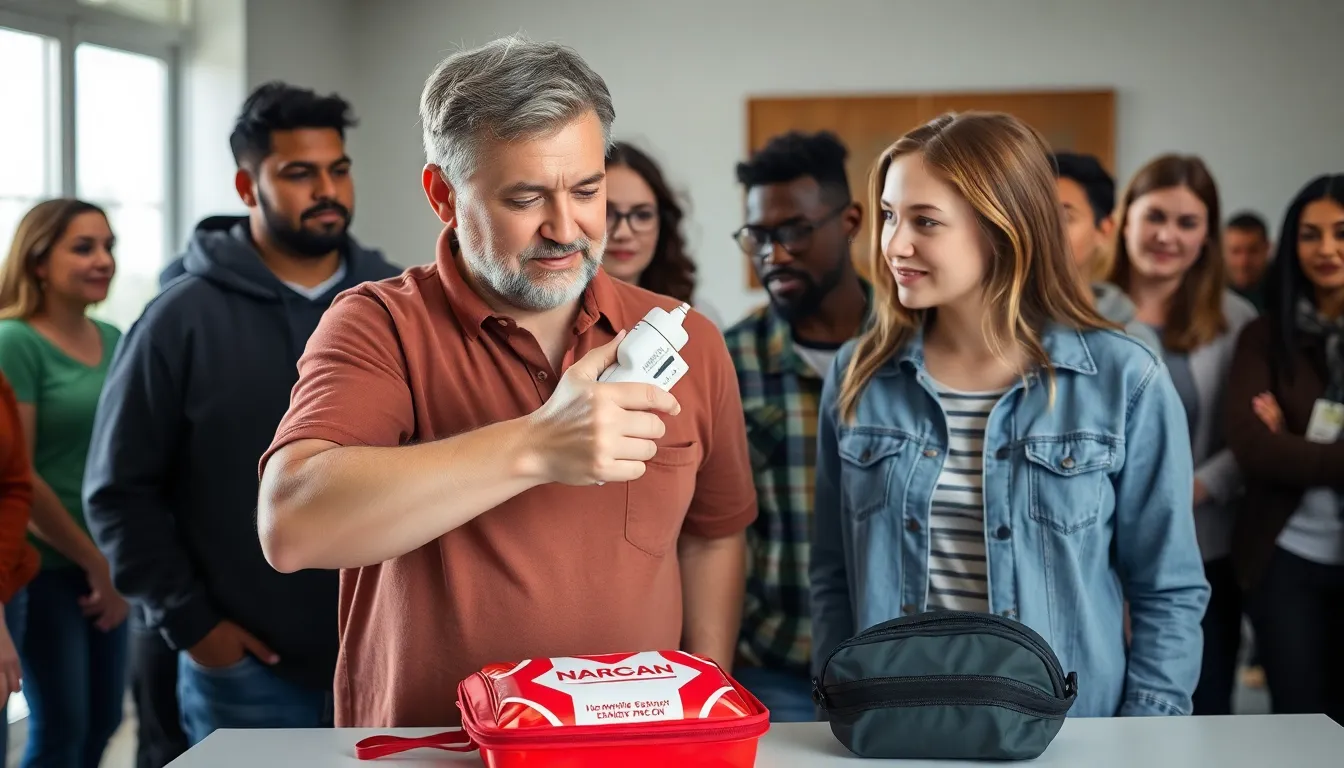
The standard adult Narcan nasal spray dose is one spray (4 mg) administered into a single nostril. If the person doesn’t respond within 2-3 minutes, administer another dose into the opposite nostril. Continue alternating nostrils with new sprays every 2-3 minutes until the person responds or emergency medical help arrives.
Different nasal naloxone products contain varying strengths: RiVive (3 mg), Kloxxado (8 mg), and Rezenopy (10 mg), but all follow the same administration pattern of alternating nostrils with each new dose. For injectable naloxone, the recommended dosage ranges from 0.4 mg to 2 mg per injection, with repeat doses as necessary.
Pediatric Dosage Considerations
Children receive the same Narcan nasal spray dosage as adults – one spray into a single nostril, repeated as needed every 2-3 minutes. This applies to all nasal naloxone products, including Narcan (4 mg), Kloxxado (8 mg), and Rezenopy (10 mg). For injectable naloxone in pediatric cases, the dosage is 0.1 mg/kg, and it is given as two separate injections.
Children may process Narcan differently than adults and might have a higher risk of returning to an overdose state after initially responding to treatment. For this reason, children should be monitored for at least 24 hours after receiving Narcan. Always call 911 immediately after administering the first dose to a child and remain with them until medical professionals arrive.
How Many Doses of Narcan Can You Safely Administer?
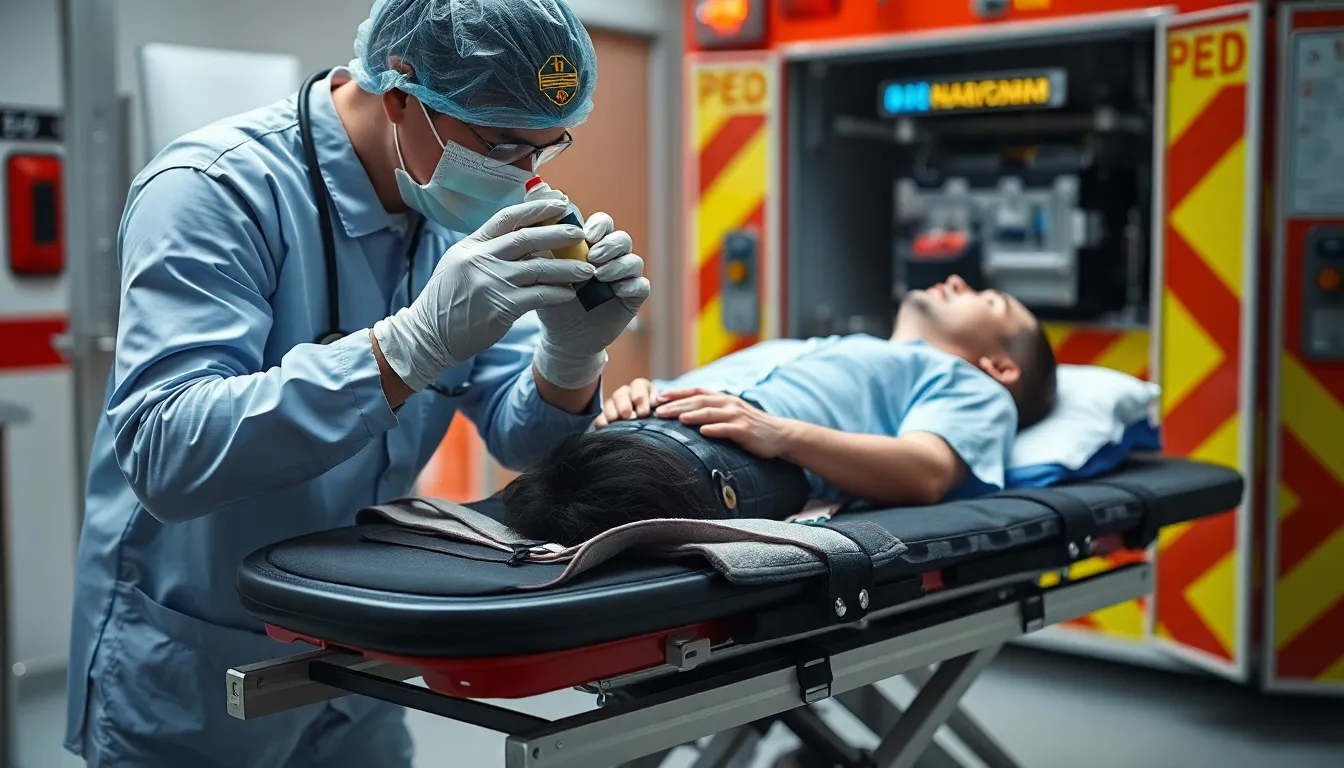
Narcan (naloxone) administration during an opioid overdose has no fixed maximum limit. Multiple doses can be given safely until the patient responds or emergency medical help arrives.
Multiple Dose Administration Protocol
The standard protocol for Narcan administration follows a systematic approach based on patient response. For intranasal Narcan, administer the initial dose (typically 2-4 mg) into one nostril and observe for 2-3 minutes for signs of response. If no improvement occurs, administer a second dose into the alternate nostril. Continue administering doses every 2-3 minutes until the person responds or emergency medical services arrive. For some specific formulations, such as 10 mg sprays, the same timing applies between doses. Some clinical guidelines suggest that after administering a total of 12 mg of intranasal Narcan without response, medical professionals should reconsider the diagnosis of opioid toxicity.
For injectable naloxone, the protocol involves administering the initial dose followed by repeat doses every 2-5 minutes if there’s no response. Medical authorities recommend reconsidering the diagnosis after a total of 10 mg has been administered intravenously or intramuscularly without effect.
Time Intervals Between Doses
The timing between Narcan doses is critical for effective overdose reversal. For nasal spray formulations, administer subsequent doses every 2-3 minutes if the patient shows no improvement. This consistent interval allows sufficient time for the medication to take effect while ensuring timely intervention if the initial dose proves inadequate. For injectable naloxone, the recommended interval extends slightly to 2-5 minutes between doses.
Several factors affect how many doses of Narcan you can give during an overdose situation:
- Opioid potency: More potent opioids like fentanyl and carfentanil often require multiple doses for effective reversal
- Amount consumed: Higher quantities of opioids typically necessitate additional Narcan doses
- Individual physiology: Differences in metabolism and body composition influence how quickly Narcan is processed
There is no evidence of toxicity from repeated Narcan doses, making it safe to administer multiple times when necessary. However, medical supervision remains essential, and emergency services should always be contacted regardless of how the person responds to Narcan administration.
Factors Affecting Narcan Dosage Requirements
The number of Narcan doses needed during an opioid overdose varies significantly based on several crucial factors. Understanding these variables helps responders provide effective treatment while maintaining patient safety during emergency situations.

Type and Amount of Opioid Involved
The specific opioid and dosage significantly impact how many Narcan doses may be required. Potent synthetic opioids like fentanyl often necessitate multiple Narcan administrations due to their strength and duration:
- Potency differences: More potent opioids like fentanyl and carfentanil typically require repeated doses of Narcan to reverse overdose effects effectively. These synthetic opioids can be 50-100 times stronger than morphine.
- Duration of action: Long-acting opioids may outlast Narcan‘s effects, which typically last 30-90 minutes. This mismatch can cause the person to return to an overdose state after Narcan initially works, requiring additional doses.
- Specific opioid types: Certain opioids, like buprenorphine and tramadol, have unique pharmacological properties that make them more resistant to Narcan, often requiring higher or more frequent dosing for effective reversal.
- Quantity consumed: Higher amounts of any opioid in the system naturally require more Narcan to counteract. A person who has taken multiple opioid pills or a particularly large dose may need several Narcan administrations.
Patient Weight and Medical History
Individual patient characteristics play a critical role in determining appropriate Narcan dosing requirements:
- Body weight and size: Larger individuals may require additional Narcan doses compared to smaller people, though the standard initial dose remains the same regardless of size.
- Opioid tolerance: People with long-term opioid use often have developed tolerance, potentially requiring higher or more frequent Narcan doses to achieve the same reversal effect.
- Metabolic factors: Individual variations in metabolism affect how quickly Narcan is processed in the body. Some people metabolize the medication more rapidly, necessitating more frequent dosing.
- Underlying health conditions: Patients with compromised liver or kidney function may process Narcan differently, potentially affecting both the medication’s effectiveness and duration.
- Age considerations: While children receive the same nasal spray dosage as adults, their bodies may process Narcan differently. Children have a higher risk of returning to an unconscious state after initially responding to Narcan, requiring careful monitoring and potentially additional doses.
Naloxone administration requires continuous assessment of the patient’s response. The FDA-approved approach allows for repeated doses every 2-3 minutes until breathing normalizes, without a maximum limit on the number of doses that can be administered. This flexible dosing protocol accommodates the wide variation in individual responses based on these critical factors.
Proper Administration Techniques
Proper administration of Narcan (naloxone) is crucial during an opioid overdose emergency. The medication works by temporarily blocking opioid receptors in the brain, reversing the life-threatening effects of opioid overdose, such as respiratory depression.

Nasal Spray Administration
Nasal spray Narcan comes in pre-measured doses that require no assembly. For standard Narcan® nasal spray, administer 4 mg (one spray) into a single nostril for the initial dose. If no response occurs within 2-3 minutes, administer additional doses, alternating nostrils with each new dose. Continue giving doses until the person responds or emergency medical services arrive. Other nasal formulations like Kloxxado™ (8 mg) and Rezenopy® (3-10 mg) follow similar administration protocols but contain different naloxone concentrations per spray. There’s no maximum limit to how many doses of Narcan nasal spray you can give during an overdose emergency – continue administering every 2-3 minutes as needed until help arrives.
Injectable Naloxone Administration
Injectable naloxone requires more technical skill but follows similar dosing principles. For intramuscular (IM) or intravenous (IV) administration, the initial dose ranges from 0.1 to 0.2 mg. Additional doses can be administered every 2-3 minutes as needed to reverse the overdose effects. While many emergency protocols suggest a maximum of 4 injectable doses before reassessment, this isn’t a hard limit. Injectable naloxone typically comes in a concentration of 0.4 mg/ml in 1 mL ampoules. The goal with injectable naloxone is to titrate the dosage to restore normal breathing while minimizing withdrawal symptoms. Unlike nasal spray administration, injectable naloxone administration typically requires medical training and is more commonly used in clinical settings or by trained emergency responders.
Potential Side Effects of Multiple Narcan Doses
Multiple Narcan doses can trigger several side effects due to its opioid-antagonist action. The primary concern is the rapid reversal of opioid effects, which can precipitate withdrawal symptoms in opioid-dependent individuals.
Withdrawal Symptoms to Expect
Narcan (naloxone) rapidly displaces opioids from receptors, often triggering sudden withdrawal symptoms in people who regularly use opioids. These withdrawal symptoms typically include:
- Physical reactions: Muscle aches, sweating, chills, nausea, vomiting, diarrhea, and runny nose
- Cardiovascular effects: Increased heart rate and blood pressure
- Psychological responses: Agitation, irritability, restlessness, anxiety, and intense cravings
While these symptoms can be uncomfortable and intense, they’re generally temporary, lasting from minutes to hours depending on the specific opioid involved. The severity of withdrawal symptoms often correlates with the person’s level of opioid dependence and the number of Narcan doses administered.
When multiple doses of Narcan are required during an overdose situation, these withdrawal symptoms may become more pronounced. This happens because each additional dose further displaces opioids from receptors. Though multiple doses might intensify withdrawal, this discomfort is preferable to the life-threatening consequences of respiratory depression from opioid overdose.
Additional side effects from multiple Narcan doses can include headache, dizziness, and nervousness. In rare cases, higher or repeated doses may cause excessive opioid reversal, leading to agitation or cardiovascular stress. Even though these potential side effects, there’s no reported maximum number of Narcan doses that can be safely administered when responding to an opioid overdose, and there are no known fatalities connected to naloxone administration.
What To Do After Administering Narcan
After administering Narcan (naloxone) to someone experiencing an opioid overdose, immediate follow-up actions are critical. The medication temporarily reverses opioid effects, but proper post-administration care ensures the best possible outcome for the affected individual.
Immediate Steps After Narcan Administration
Call 911 immediately after giving Narcan, even if the person wakes up and seems fine. The effects of naloxone wear off within 30-90 minutes, while opioids may remain in the system longer, potentially causing a return of overdose symptoms. Emergency medical professionals need to evaluate the person and provide additional treatment as necessary.
Stay with the person until emergency services arrive. Monitor their breathing and responsiveness closely, watching for signs that the overdose might return. If the person stops breathing again or becomes unresponsive, you can administer another dose of Narcan every 2-3 minutes as needed.
Position the person on their side in the recovery position if they’re unconscious but breathing. This helps prevent choking if they vomit, which is a common reaction when someone is revived from an opioid overdose.
Importance of Seeking Medical Care
Medical evaluation after Narcan administration is essential regardless of how well the person appears to recover. Narcan only temporarily blocks opioid effects and doesn’t remove the drugs from the person’s system. When the naloxone wears off, opioids may still be present at dangerous levels, potentially causing a “rebound overdose.“
Healthcare providers can:
- Monitor vital signs to prevent complications from returning overdose symptoms
- Treat withdrawal symptoms that Narcan may trigger in opioid-dependent individuals
- Assess for complications such as aspiration pneumonia or cardiac issues
- Connect the person to addiction treatment services and resources
- Provide additional doses of naloxone if needed, as the initial doses wear off
Multiple Narcan doses might be necessary during the waiting period for emergency services. There’s no maximum limit to how many doses of Narcan you can give – continue administering one dose every 2-3 minutes until the person responds or medical help arrives, particularly with potent opioids like fentanyl that may require repeated interventions.
Remember that medical treatment complements Narcan administration rather than being replaced by it. The temporary nature of Narcan‘s effects means professional medical care is an essential component of overdose response, not an optional step.

Accessing and Storing Narcan
Knowing how to access and properly store Narcan (naloxone) can be lifesaving for individuals at risk of opioid overdose and their loved ones. This medication is a critical tool in emergency overdose response, and recent changes in availability make it easier than ever to obtain. Below, you’ll find practical guidance on where to get Narcan, how many doses to keep on hand, and how to store it correctly to ensure it’s ready when needed.
Where to Get Narcan
Narcan is readily accessible without requiring a doctor’s visit. You can purchase Narcan directly from a pharmacy without a prescription, as laws allow pharmacists to dispense it over the counter. If you don’t see it on pharmacy shelves, simply ask your pharmacist. While a doctor can send a prescription, it’s not required for purchase. Many insurance plans cover Narcan, so check with your pharmacist about billing the cost to your insurance.
How Many Doses to Keep on Hand
Narcan typically comes in a box containing two single-dose nasal spray devices. For people who take opioids long-term, healthcare providers often recommend keeping Narcan available for emergency use. Since multiple doses may be needed during an opioid overdose emergency, having adequate supplies is crucial. The number of doses required varies based on several factors:
- The potency of the opioid involved (stronger opioids like fentanyl often require multiple doses)
- The amount of opioids consumed
- Individual physiological factors affecting drug metabolism
Proper Storage Guidelines
To maintain Narcan‘s effectiveness, store it at room temperature between 59°F to 77°F (15°C to 25°C). Avoid exposing the nasal spray to extreme heat, cold, or direct sunlight, as these conditions may reduce its potency. Keep Narcan in its original packaging until ready for use to protect it from light and physical damage.
Checking Expiration Dates
Narcan nasal spray typically has a shelf life of 2-3 years from the manufacturing date. Check the expiration date printed on the package regularly. Expired Narcan may have reduced effectiveness, so replace it before the expiration date. Some public health programs offer free Narcan replacement for expired units.
Accessibility During Emergencies
Store Narcan in an easily accessible location where anyone who might need to administer it can find it quickly during an emergency. Consider keeping it in a consistent, visible place and informing household members or frequent visitors about its location. Time is critical during an overdose emergency, so quick access to Narcan can make the difference between life and death.
Reach Out to Woburn Addiction Treatment for Lifesaving Support
If you or someone you love is at risk of opioid overdose, understanding how to use Narcan is only part of the solution. Lasting recovery starts with professional care and compassionate guidance. At Woburn Addiction Treatment, we provide comprehensive support to help individuals overcome opioid dependence and reclaim their lives.
Whether you’re seeking treatment options, resources, or guidance on how to stay prepared in the face of overdose risks, our team is here to help. Contact Woburn Addiction Treatment today and take the first step toward healing and long-term recovery.

