

You’ve probably heard about fentanyl in the news, often linked to the opioid crisis. It leaves many people asking a straightforward question: is fentanyl an opioid? The simple answer is yes. But that simple answer doesn’t capture the whole story of this powerful and dangerous substance. Understanding what fentanyl is, how it differs from other drugs, and the risks it carries is crucial, whether you’re worried about yourself, a loved one, or just trying to make sense of it all.
Is Fentanyl an Opioid?
Yes, fentanyl is a powerful synthetic opioid. It was first developed in 1959 to help manage severe pain, often for patients after surgery or those with advanced-stage cancer. Unlike natural opiates such as morphine, which are derived from the opium poppy plant, fentanyl is entirely man-made in a laboratory. This synthetic origin is key to understanding its incredible strength.
Fentanyl is estimated to be 50 to 100 times more potent than morphine and about 50 times more potent than heroin. Because it’s so powerful, even a minuscule amount can be deadly. While pharmaceutical fentanyl serves a legitimate medical purpose in controlled settings, much of the danger today comes from illegally manufactured fentanyl. Learning about different opioid addiction treatment options can provide a path forward for those struggling with any kind of opioid, including fentanyl.
How Does Fentanyl Work?
So, how does fentanyl work in the body? Like other opioids, it binds to specific sites in the brain called opioid receptors. These receptors are located in areas that control pain and emotions. When fentanyl attaches to them, it blocks pain signals and floods the brain with dopamine, a chemical that creates feelings of intense relaxation and euphoria. This powerful effect on the brain’s reward system is what makes fentanyl so effective for pain relief but also so highly addictive.
How Is Fentanyl Different From Oxycodone and Other Opioids?
While fentanyl, oxycodone, and heroin are all opioids, they have critical differences. The first is origin: fentanyl is fully synthetic, while oxycodone is semi-synthetic (derived from a plant-based chemical) and heroin is also semi-synthetic (made from morphine). The second, and most important, difference is potency. Fentanyl is significantly stronger than both oxycodone and heroin. Finally, its effects are felt much faster. This rapid onset contributes to a higher overdose risk because it can overwhelm the body’s systems, especially breathing, in a very short amount of time.
What Makes Fentanyl So Dangerous?
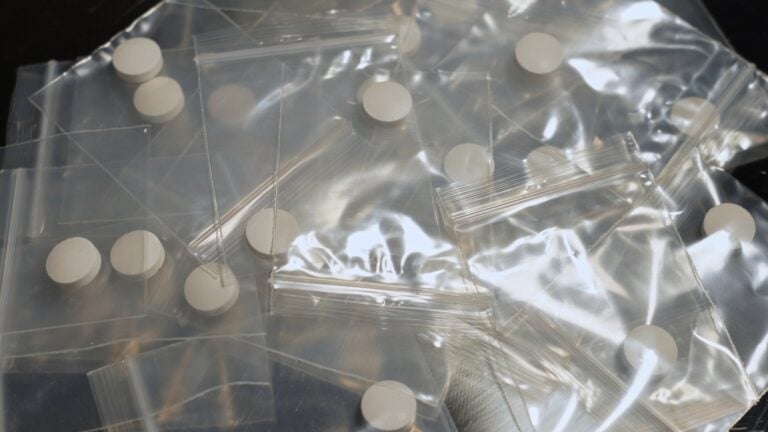
Fentanyl’s primary danger lies in its extreme potency. A lethal dose can be as small as two milligrams, which is equivalent to just a few grains of salt. The vast majority of fentanyl-related overdose deaths involve illegally manufactured fentanyl (IMF). According to the Centers for Disease Control and Prevention (CDC), this is because drug traffickers often mix it with other drugs like heroin, cocaine, and methamphetamine, or press it into counterfeit pills made to look like prescription medications such as Xanax or OxyContin. People who use these drugs may not even know they are taking fentanyl, which dramatically increases their risk of an accidental overdose.
Fentanyl is also highly addictive. Because it is so potent, it can quickly lead to physical dependence and a substance use disorder. The body adapts to its presence, and when someone tries to stop, they can experience severe withdrawal symptoms, making it incredibly difficult to quit without professional help. The combination of its hidden presence in other drugs and its high potential for addiction is why fentanyl is so dangerous.
Dangerous Effects
Beyond the risk of overdose, fentanyl use comes with a range of adverse effects. Even when used as prescribed, it can cause significant side effects. When used illicitly, these effects can be unpredictable and severe. Some of the most common effects include:
- Drowsiness and sedation
- Nausea and vomiting
- Constipation
- Confusion
- Dizziness
- Headache
- Sweating
- Dry mouth

Check Insurance
We Accept Most Insurance
We are available 24 hours a day, 7 days a week to help you or your loved one understand your insurance coverage. 100% confidentiality guaranteed.
Struggling with Fentanyl Use?
If you or someone you care about is struggling with a substance use disorder, please know that you are not alone and recovery is absolutely achievable. Fentanyl addiction is a serious medical condition, but professional treatment provides a clear path toward healing and a healthier life. Taking the first step to get help is a sign of incredible strength. Outpatient programs offer a flexible yet structured approach to recovery. Programs like partial hospitalization programs (PHP) and intensive outpatient programs (IOP) allow you to receive comprehensive care while still managing work, school, or family responsibilities. These programs often include a combination of individual therapy, group counseling, and medication-assisted treatment to support long-term success.
It’s also important to address any co-occurring mental health conditions. Many people with a substance use disorder also struggle with issues like depression, anxiety, or trauma. A dual diagnosis approach treats both conditions at the same time, which is essential for lasting recovery. Effective fentanyl addiction treatment is available and can be tailored to fit your unique needs.
Knowing That Fentanyl Is An Opioid
I’m concerned about my, or someone else’s, fentanyl use. What can I do?
Feeling concerned is the first step toward making a positive change. If you’re worried about yourself or someone else, there are concrete actions you can take. Often, the best way to start is with a confidential conversation with a treatment provider at Woburn Addiction. We can answer your questions and help you understand the next steps in the recovery journey.
Taking that first step can feel overwhelming, but you don’t have to do it alone. Help is available, and a conversation can make all the difference. You can speak with a compassionate specialist by calling (781) 622-9190. At Woburn Addiction Treatment, we’re here to support you on the path to healing. Please don’t hesitate to contact us to learn more about your options. Reaching out is a sign of strength, and a healthier future is within reach.
Sources
- National Center for Biotechnology Information. (May 29, 2023). Fentanyl. StatPearls – NCBI Bookshelf.
- Drug Enforcement Administration. (January 1, 2025). Fentanyl. U.S. Department of Justice.
- Centers for Disease Control and Prevention. (April 2, 2024). Fentanyl facts. Centers for Disease Control and Prevention.
- National Institute on Drug Abuse. (June 6, 2025). Fentanyl. National Institute on Drug Abuse.
- Substance Abuse and Mental Health Services Administration. (August 12, 2025). Opioid overdose reversal medications. Substance Abuse and Mental Health Services Administration.
- National Center for Biotechnology Information. (December 23, 2019). Fentanyl depression of respiration: comparison with heroin and morphine. eLife.
- National Institute on Drug Abuse. (August 21, 2024). Drug overdose deaths: facts and figures. National Institute on Drug Abuse.
- Food and Drug Administration. (December 26, 2024). Information about medications for opioid use disorder (MOUD). U.S. Food and Drug Administration.
- National Academy of Medicine. (April 27, 2020). Improving access to evidence-based medical treatment for opioid use disorder. National Academy of Medicine.
- National Center for Biotechnology Information. (September 7, 2010). Integrated treatment of substance use and psychiatric disorders. Social Work in Public Health.


