

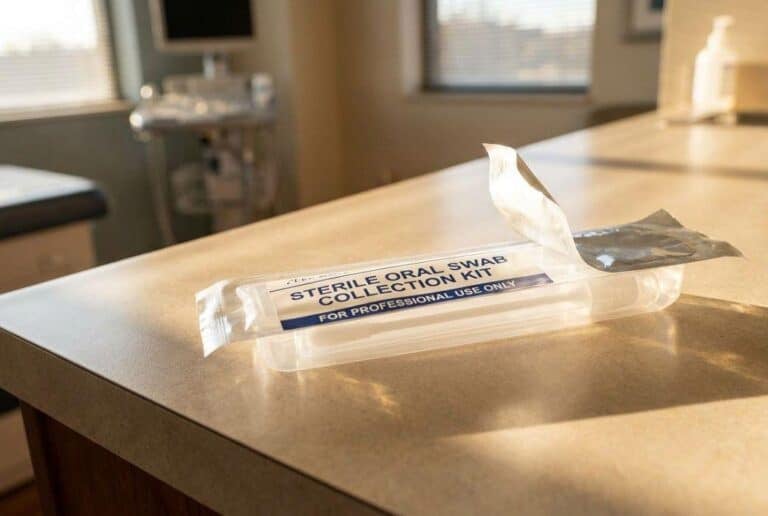
A saliva drug test is commonly used in pre-employment screening, workplace safety checks, and legal proceedings. If a mouth swab test is on your radar, knowing how oral drug testing works can help you decide on the right next steps. If you’re facing a saliva drug test for a job or at work, it’s natural to wonder just how these tests work, what they reveal, and how long substances stick around in your system. Saliva drug tests are highly accurate and tough to cheat, but they mostly pick up only recent use, which can be a relief or a wake-up call, depending on your situation. Knowing what to expect can take some of the fear out of the process and help you make choices that serve your health and future.
Saliva Drug Testing Timeline
Oral fluid drug testing collects a saliva sample from the oral cavity to detect drug metabolites left by recent drug use. Most oral swab tests detect THC and other common drugs within a detection window of 24 to 72 hours after use. Detection times vary based on several factors, including drug type, saliva production, and whether the person is a chronic or occasional user. A saliva drug test turns positive when drug residues remain in fresh saliva, and laboratory analysis confirms the results following an initial screen. If a positive result raises concerns about substance use, exploring your addiction treatment options is a meaningful place to start.
What Is a Saliva Drug Test?
An oral fluid drug test is a quick and simple way to check for recent substance use. It is a completely non-invasive screening method. The test analyzes your saliva to find the active parent drug in your system. This makes it very different from hair or urine screenings.
Those other methods usually look for historical usage. They detect chemical byproducts over weeks or months. Saliva screenings look for what is happening in your body right now.
Because it is so fast and easy to administer, this type of testing is growing in popularity. The National Institutes of Health notes the value of drug testing in oral fluid for immediate results. You will often see these tests used for pre-employment screening.
They are also highly common during post-accident investigations. If someone is hurt on the job, employers need to know if substances played a role. Saliva testing is perfect for this exact scenario.
Roadside drug testing is another primary use case. Law enforcement officers can use a swab right at the driver window. This helps them determine if a driver is currently impaired by recent drug use. This quick action protects everyone on the road. It offers a fast snapshot of a person’s current physical state.
These tests are also vital in clinical and healthcare settings. They provide essential accountability in addiction recovery programs.
When a person is working hard to stay sober, regular drug testing offers a clear, objective record of their progress. It removes the guesswork and builds deep trust between the patient and their care team.
For working adults, understanding the rules around testing is very important. You can review a helpful workplace drug testing guide to see how employers handle these screenings.
How Does a Mouth Swab Drug Test Work?
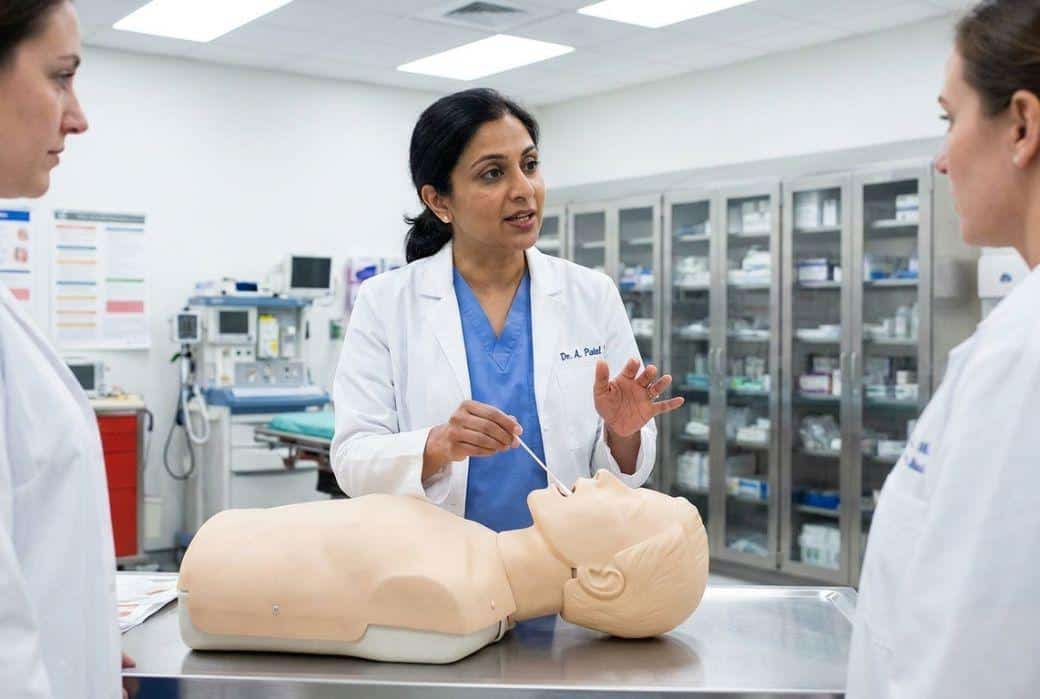
The collection process for a mouth swab drug test is highly structured but very simple. First, the person taking the test must prepare. There is a strict ten-minute preparation period. During this time, you cannot eat, drink, or chew gum. You also cannot use any tobacco products.
This waiting period ensures your mouth is completely clear of outside contaminants. The oral fluid specimen document outlines this as a critical step for accuracy.
Once the ten minutes pass, the actual collection begins. A clinician hands you a sterile cotton swab. You use this swab to sweep the inside of your cheek and gums. You must keep it in your mouth until the swab is fully saturated.
Many devices have a small indicator that changes color when enough saliva is collected. This ensures the sample is large enough for the testing device to read accurately. You can read more about the detailed saliva sample collection process to ease any worries.
Is a Saliva or Urine Drug Test More Accurate?
Many people wonder if oral fluid is more reliable than standard urine drug tests. The truth is that both are highly accurate, but they serve entirely different purposes. Urine tests detect historical metabolites. This means they show what your body has processed over several days or even weeks.
Saliva tests, however, accurately detect the parent drug present in your blood right now. They reflect active blood concentrations from the past few hours to a few days.
Another major difference is the risk of specimen adulteration. It is very hard to tamper with a saliva test. The collection is directly observed by a clinician the entire time.
You cannot hide or swap a sample when a swab is sitting inside your cheek. This makes mouth swabs incredibly reliable for catching very recent use without the privacy concerns of a bathroom collection.

Check Insurance
We Accept Most Insurance
We are available 24 hours a day, 7 days a week to help you or your loved one understand your insurance coverage. 100% confidentiality guaranteed.
Mouth Swab Drug Test Detection Period
The window of time a drug remains detectable in your saliva is relatively short. Most substances are visible in oral fluid for a general window of 5 to 48 hours. However, this detection time can vary greatly depending on the substance, the dose, and your own metabolism. Some drugs exit the saliva very quickly, while others might linger for a few days.
| Substance | Typical Detection Window | Factors Influencing Detection |
|---|---|---|
| THC (Cannabis) | 6 to 72 hours | Frequency of use, body fat percentage, and consumption method. |
| Cocaine | Up to 48 hours | Dosage amount, metabolic rate, and frequency of recent use. |
| Opioids | 24 to 72 hours | Specific opioid type (e.g., methadone stays longer than heroin). |
| Amphetamines | Up to 48 hours | Hydration levels, dosage, and specific stimulant compound used. |
| Alcohol | 5 to 12 hours | Number of drinks consumed, liver function, and total body mass. |
When looking at specific substances, cocaine and amphetamines usually leave the saliva within two days. Opioids can be a bit more complex. Drugs like morphine and fentanyl typically clear within 48 to 72 hours.
However, medications like methadone can sometimes be detected even longer. Alcohol has a very short detection window in saliva. It is often only visible for a matter of hours. This is why testing for alcohol is mostly used to catch active impairment.
How Accurate Is a Saliva Drug Test for THC?
Marijuana detection is one of the most common concerns for people facing a swab. Whether it is called a pot saliva drug test or a saliva drug test THC, the mechanics are identical.
THC enters your oral fluid almost immediately after smoking or vaping. It typically remains detectable for 1 to 2 days for an occasional user. Chronic daily use might extend this window slightly, sometimes up to three days.
Many people ask how to pass a saliva drug test for weed. They want to know the secret of how do you pass a saliva drug test for THC if they smoked recently. Once again, there is no magic solution. Abstinence remains the only valid way to ensure a clear result.
Failed Drug Tests: What Happens Next?
If your initial test is positive, the sample follows a strict chain of custody. It is securely sent to a laboratory for advanced testing. Once confirmed, the results are reviewed by a medical review officer.
This physician checks to see if there is any valid medical explanation for the positive result, such as a legal prescription. Healthcare professionals rely on this review process to protect people from false accusations.
A failed drug test can feel utterly devastating. It might threaten your employment, your legal standing, or the trust of your family. However, this painful moment can also be a powerful catalyst for life-saving change. It brings a hidden struggle into the light.
If substance use is putting your career or your relationships at risk, you do not have to figure it out alone. Finding structured help is the smartest next step you can take.
If you live in Greater Boston or the northern suburbs, Woburn Addiction Treatment is highly accessible. Located conveniently near I-93 and Route 128, the facility is designed for working adults and commuters. You can get the intensive help you need without leaving your home or your family.
We offer structured outpatient care, including our partial hospitalization program (PHP) Massachusetts and our intensive outpatient program Massachusetts locals trust.
If you are also dealing with anxiety or depression, our dual diagnosis treatment centers Massachusetts programs can address both issues at once. Reach out for a private assessment to see how treatment can fit into your real life.
A Drug Test Result Can Be the Start of a New Chapter
Facing a drug test can feel incredibly stressful, especially when your job or future is on the line. Understanding how these tests work takes away the fear of the unknown. We know that a positive test result can turn your world upside down in an instant.
If you are struggling with substance use and it is impacting your daily life, please know that compassionate, clinical help is available right in your community. Woburn Addiction Treatment can support your health and your career. Contact us to learn more about getting started, or call us directly at (781) 622-9190. You can also visit our Google page to read reviews and learn what to expect from our programs. Reaching out is the first step, and our team is ready to walk it with you.
Sources
Substance Abuse and Mental Health Services Administration. (2024). Oral Fluid Specimen Collection Handbook for Federal Agency. SAMHSA.
Cone, E. J., & Huestis, M. A. (2007). Drug Testing in Oral Fluid. Annals of the New York Academy of Sciences.
U.S. Department of Transportation. (2025). DOT Oral Fluid Specimen Collection Procedures Guidelines. DOT.
National Institute on Drug Abuse. Oral Fluid Testing: Promises and Pitfalls. Clinical Chemistry.
Wang, X., et al. (2017). Comparison of Urine and Oral Fluid for Workplace Drug Testing. Journal of Analytical Toxicology.


