

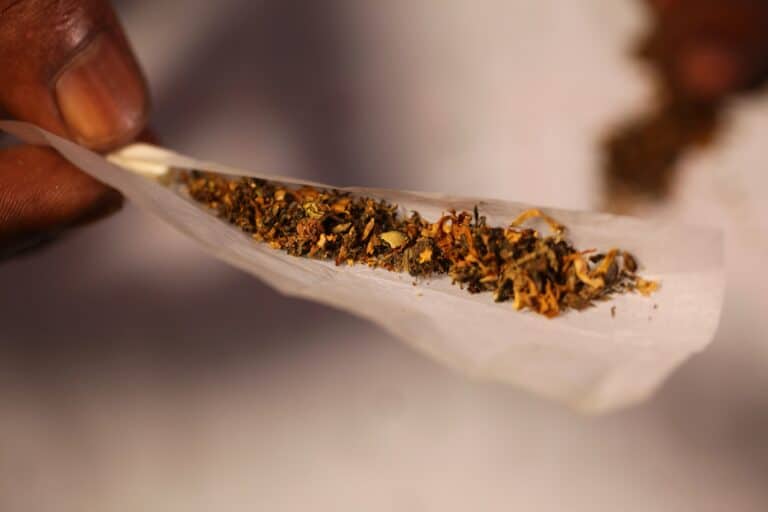
You might have heard of the spice drug, sometimes called K2 or synthetic marijuana, and wondered what it really is. It’s often sold in colorful packets, misleadingly labeled as “herbal incense” or “potpourri,” but it’s far from harmless. Understanding the truth about these dangerous synthetic drugs is the first step toward protecting yourself and the people you care about. This isn’t just another substance to be aware of; it’s a class of man-made chemicals with unpredictable and severe effects on the brain and body. If you or someone you know is struggling, please know that you’re not alone, and help is available.
What is Spice and Why Is It So Dangerous?
The “Spice drug” isn’t one single substance. It’s a broad term for a family of man-made chemicals called synthetic cannabinoids. These chemicals are designed to mimic the effects of THC, the main psychoactive compound in marijuana. To make them ready for human consumption, these potent powders are sprayed onto dried plant material, which is then smoked or ingested. The result is often sold under brand names like K2, Skunk, Yucatan Fire, or Black Mamba.
Because these products are completely unregulated, there’s no way to know what chemicals are actually in a given batch, or how much. This makes the spice drug incredibly dangerous. The potency can vary wildly, even within the same packet, leading to unpredictable, severe, and sometimes life-threatening health risks. It is far more hazardous than natural cannabis, and calling it synthetic marijuana can be dangerously misleading.
Where Does Spice Come From?
The story of Spice begins around 2005, when a company in London called Psyche Deli first started selling it as a supposedly “natural” smoking blend. It quickly gained popularity as a legal alternative to marijuana. The manufacturing process, however, is anything but natural. It starts with potent chemical powders, often produced in overseas labs without safety oversight. These synthetic drugs are then dissolved in a solvent and sprayed onto random, inert plant material.
The process is crude and inconsistent, which is a major reason spice is so hazardous. Because the chemicals aren’t mixed evenly, some parts of the plant matter can end up with extremely high concentrations, creating “hot spots.” Someone using the product could get a dangerously high dose without warning, leading to severe and unpredictable reactions. This lack of quality control is a key reason why Spice poses such a serious risk.

Check Insurance
We Accept Most Insurance
We are available 24 hours a day, 7 days a week to help you or your loved one understand your insurance coverage. 100% confidentiality guaranteed.
Risks of Taking Synthetic Cannabinoids
The intense and unpredictable nature of synthetic cannabinoids means the health risks are severe and wide-ranging. Because the chemical composition is constantly changing and unregulated, users never truly know what they are consuming. This can lead to a terrifying and dangerous experience, with effects that can appear suddenly and without warning.
According to the Drug Enforcement Administration, these substances are unsafe for human consumption and can have life-threatening effects. Some of the most common risks include:
- Extreme anxiety, paranoia, and agitation
- Psychosis, including hallucinations and severe confusion
- Rapid heart rate, elevated blood pressure, and chest pains
- Nausea and vomiting
- Violent behavior or suicidal thoughts
- Seizures and uncontrollable body movements
- Risk of heart attack, stroke, or kidney damage
Withdrawal Effects
Just like with other substances, regular use of the spice drug can lead to physical dependence and addiction. When someone becomes dependent, their body adapts to the presence of synthetic cannabinoids. If they suddenly stop using, they can experience a range of distressing withdrawal effects. The presence of these symptoms is a clear sign that professional help is needed to manage the discomfort and begin the journey toward recovery. Common withdrawal effects include:
- Severe headaches and sweating
- Intense cravings for the drug
- Extreme anxiety and paranoia
- Depression and irritability
- Nausea and vomiting
- Trouble sleeping
Why Spice Is Not a Safe Alternative to Marijuana
Spice is often marketed as a legal or safer alternative to marijuana, but this comparison is dangerously misleading. Unlike natural cannabis, which contains classical cannabinoids that occur naturally in the plant, the spice drug is made from synthetic cannabinoids created in laboratories. These synthetic compounds are designed to strongly activate cannabinoid receptors, often with far greater potency than THC, even at a very small dose. As a result, the psychoactive properties of Spice are far more intense and unpredictable.
Synthetic Cannabinoids Are Far More Potent Than Natural Cannabis
Another major difference lies in how these substances are made. Synthetic cannabinoid chemicals are typically dissolved and sprayed onto plant material, then sold as herbal incense or herbal products despite being intended for human consumption. Because the manufacturing process lacks regulation or quality control, the active ingredient may be unevenly distributed. This can lead to dangerously high exposure, even when using lower doses, increasing the risk of severe adverse effects.
Unregulated Manufacturing Creates Extreme Risk
Spice also carries far greater health risks than natural cannabis. Synthetic cannabinoid receptor agonists have been strongly linked to psychotic episodes, acute kidney injury, severe bleeding, chest pain, racing heartbeat, and alarmingly high blood pressure. Clinical toxicology reports and poison control centers have documented cases of life-threatening reactions, some leading to hospitalization or death. These risks are significantly higher than those associated with natural cannabis use.
Health Risks Linked to Spice Use
Perhaps most importantly, Spice does not behave like marijuana in the body. While cannabis contains a mix of cannabinoids that partially regulate one another, synthetic cannabinoids bind aggressively to receptors with no built-in safety mechanisms. This makes the effects of using synthetic cannabinoids far less predictable and increases the likelihood of overdose, especially when combined with alcohol or other drugs. These substances are classified as controlled substances in many regions due to their danger and association with public health emergencies.
For these reasons, Spice is not a safer or legal alternative to marijuana. It is a high-potency designer drug with unpredictable effects, serious mental health consequences, and a strong link to drug dependence and withdrawal symptoms. What may appear to be a substitute is, in reality, a far more dangerous substance with risks that extend well beyond those of natural cannabis.
Getting Help for Spice Addiction
If you or someone you care about is struggling with Spice, it’s so important to know that you don’t have to face it alone. Because of the severe psychological effects, trying to quit without professional support can be incredibly difficult and even risky. Professional addiction treatment provides a safe, structured environment where you can navigate withdrawal and address the underlying reasons for substance use.
At Woburn Addiction Treatment, we offer outpatient programs like our partial hospitalization program (PHP). A critical part of recovery from Spice addiction is dual diagnosis treatment. Since Spice often triggers or worsens mental health conditions like anxiety and psychosis, it’s essential to treat both the substance use and the mental health disorder at the same time for lasting recovery.
Take the First Step at Woburn Addiction Treatment
Realizing that Spice is more than just “synthetic marijuana” is a critical step. These unpredictable chemicals can have devastating effects, but recovery is within reach. With compassionate, evidence-based care, you can break free from the cycle of addiction and reclaim your life. If you’re ready to explore your options, the team at Woburn Addiction Treatment is here to support you. Please don’t hesitate to call us at (781) 622-9190 or reach out to us online to learn how we can help. A confidential conversation with one of our specialists could be the start of a new chapter.
Sources
- Drug Enforcement Administration. (April 1, 2021). Spice/ K2, Synthetic Marijuana. Drug Enforcement Administration.
- Drug Enforcement Administration. Drug Fact Sheet: K2/Spice. Drug Enforcement Administration.
- Wisconsin Department of Health Services. (March 5, 2025). Synthetic Cannabinoids (K2, Spice). Wisconsin Department of Health Services.
- National Center for Biotechnology Information. (June 24, 2023). Toxicity of Synthetic Cannabinoids in K2/Spice: A Systematic Review. National Center for Biotechnology Information.
- Office of National Drug Control Policy. (April 12, 2013). Synthetic Drugs (a.k.a. K2, Spice, Bath Salts, etc.). Office of National Drug Control Policy.
- U.S. Food and Drug Administration. (February 24, 2023). FDA and Cannabis: Research and Drug Approval Process. U.S. Food and Drug Administration.
- Centers for Disease Control and Prevention. (August 1, 2023). Synthetic Cannabinoids (Spice): An Overview for Healthcare Providers. Centers for Disease Control and Prevention.
- National Institute on Drug Abuse. (November 1, 2019). Mind Matters: The Body’s Response to K2/Spice and Bath Salts. National Institute on Drug Abuse.
- New York City Department of Health. (January 1, 2025). K2. New York City Department of Health.
- National Institute on Drug Abuse. (August 29, 2024). Monitoring the Future. National Institute on Drug Abuse.
- Substance Abuse and Mental Health Services Administration. (June 9, 2023). National Helpline for Mental Health, Drug, Alcohol Issues. Substance Abuse and Mental Health Services Administration.


