

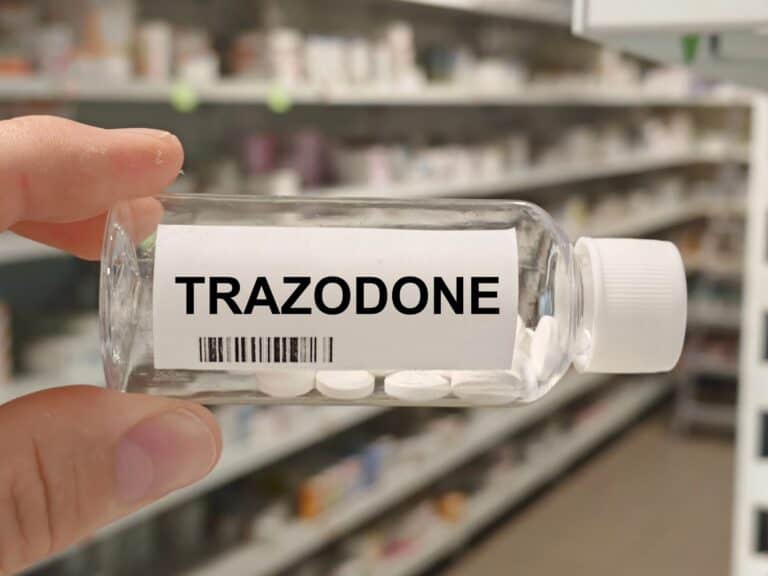
If you or a loved one is trying to understand a new medication, it can feel overwhelming. You want clear, straightforward answers, not dense medical jargon. When it comes to antidepressants like trazodone, you might have questions about what it is, how it works, and what to expect. It’s completely normal to want to be well-informed about your health and the treatments you’re considering.
Navigating mental health treatment is a journey, and every step you take to learn more is a step in the right direction. We’re here to walk alongside you, providing the kind of clear, supportive information you deserve. Think of this as a conversation where your questions are heard and your concerns are understood. Let’s explore what trazodone is, how it fits into treatment, and what you need to know to feel confident and safe.
What Is Trazodone Drug Class?
Trazodone is a prescription antidepressant medication that has been helping people since the 1980s. While you might hear it called an antidepressant, its specific drug class is a bit unique. Trazodone belongs to a group of medications called Serotonin Antagonist and Reuptake Inhibitors, or SARIs for short. This sounds complex, but it simply means it works on serotonin levels in the brain in a slightly different way than more common antidepressants like SSRIs.
So, what does that mean for you? Its unique action makes it a versatile tool for healthcare providers. The FDA has officially approved trazodone to treat major depressive disorder, helping to lift mood and ease the heavy weight of depression symptoms. Many people struggling with depression find that trazodone offers relief, especially when other medications haven’t been the right fit. For those seeking help with depression treatment, understanding all available options is a crucial step.
Interestingly, trazodone is also widely used for another common struggle: insomnia. Although this is considered an “off-label” use (meaning it’s not what the FDA originally approved it for), its sedative effects at lower doses can be very effective for people who have trouble falling or staying asleep. This dual-purpose nature is one of the key things that sets trazodone apart in its drug class.
How Trazodone Works
Understanding how a medication works can help you feel more in control of your treatment. Think of your brain as a complex network of communication pathways. A chemical messenger called serotonin travels along these pathways, helping to regulate your mood, sleep, and overall sense of well-being. In conditions like depression, the communication can get a little stuck. Trazodone steps in to help things flow more smoothly.
As a SARI, trazodone has a dual-action mechanism. First, it acts as a weak serotonin reuptake inhibitor. This means it gently prevents your brain cells from reabsorbing serotonin too quickly, leaving more of it available to deliver its positive messages. It’s like leaving a friendly note on a desk a little longer so more people have a chance to read it.
Second, and more importantly, it acts as a serotonin antagonist. This is where the SARI classification really stands out. Trazodone blocks specific serotonin “docks,” or receptors, particularly the 5-HT2A receptor. Blocking these particular receptors, it helps reduce some of the side effects commonly associated with other antidepressants, like anxiety or sleeplessness. In fact, studies show that trazodone can occupy 90 to 97% of these key receptors at typical doses. It’s this powerful blocking action that contributes to its calming and sedative effects, which is why it’s so helpful for sleep, even at a low dose.
This unique, dose-dependent pharmacology is what makes trazodone so versatile. At lower doses, its receptor-blocking ability shines, making it an effective sleep aid. At higher doses, its serotonin reuptake effects (SERT blockade) become more pronounced, providing the antidepressant benefits needed to treat major depressive disorder.
Pharmacodynamics
To get a little more specific, let’s look at how trazodone interacts with different systems in your body. This is known as its pharmacodynamics. The effects you feel, both helpful and not-so-helpful, come down to which “locks” the medication “key” fits into.
- 5-HT2A Receptors: As we mentioned, blocking these serotonin receptors is central to trazodone’s action. This contributes to its antidepressant, anti-anxiety (anxiolytic), and sleep-inducing (hypnotic) effects.
- H1 Histamine Receptors: Trazodone also blocks histamine receptors. If you’ve ever taken an allergy medication like Benadryl and felt sleepy, you’ve experienced histamine blockade. This action is a major reason for trazodone’s powerful sedative effects.
- Alpha-1 Adrenergic Receptors: The medication also blocks these receptors, which can relax blood vessels. This contributes to side effects like orthostatic hypotension (feeling dizzy or lightheaded when you stand up too quickly) and sedation.
Once you take trazodone, it is well-absorbed and travels through your bloodstream. It binds strongly to proteins in your plasma, which helps it get distributed throughout your body to where it needs to go. This complex interplay of receptor binding is what allows trazodone to help with conditions like depression, especially when they are accompanied by anxiety or insomnia, which is common in cases of dual diagnosis.

Check Insurance
We Accept Most Insurance
We are available 24 hours a day, 7 days a week to help you or your loved one understand your insurance coverage. 100% confidentiality guaranteed.
What Is Trazodone Used For?
Trazodone is a medication with a very specific, FDA-approved purpose, but its unique properties have made it a popular choice for other conditions as well. Officially, trazodone is approved to treat major depressive disorder in adults. It’s a reliable option for managing the persistent sadness, loss of interest, and low energy that characterize depression. However, its most common use today is actually an off-label one.
Due to its strong sedative effects, trazodone has become one of the most frequently prescribed medications for insomnia. Many people who struggle with falling asleep or staying asleep find that a low dose of trazodone helps them get the rest they need without resorting to traditional sleeping pills, which can sometimes be habit-forming. This makes it a go-to for doctors looking for a non-addictive sleep solution.
Beyond depression and insomnia, trazodone is sometimes used off-label to help with anxiety disorders. For some individuals, it can ease feelings of panic and worry. Because it addresses multiple symptoms at once, it can be a valuable part of a comprehensive treatment plan, especially for those dealing with complex, co-occurring conditions.
Trazodone Side Effects
Like any medication, trazodone comes with potential side effects. The good news is that for most people, these are mild and often lessen as your body adjusts to the treatment. It’s helpful to know what to expect so you can feel prepared and communicate effectively with your healthcare provider. The most common side effects are often related to its sedative properties.
Many people experience drowsiness, dizziness, or lightheadedness, especially when first starting the medication. Dry mouth, headaches, and nausea are also fairly common. These effects are typically manageable and often improve after the first week or two. Taking the medication with food can sometimes help ease stomach-related side effects.
While most side effects are mild, a few serious ones are worth noting. Though rare, they require immediate medical attention. It’s important to have an open conversation with your doctor about any concerns you have and to report any unusual or severe symptoms right away. Your safety and well-being are the top priorities.
| Side Effect Category | Common Side Effects (usually mild) | Serious Side Effects (contact a doctor immediately) |
| Neurological | Drowsiness, Dizziness, Headache, Blurred Vision | Fainting, Confusion, Suicidal Thoughts or Behaviors |
| Gastrointestinal | Dry Mouth, Nausea, Constipation | Severe Vomiting |
| Cardiovascular | Lightheadedness upon standing | Irregular or Fast Heartbeat, Chest Pounding |
| Other | Fatigue, Nasal Congestion | Priapism (a painful erection lasting 4+ hours), Allergic Reaction, Serotonin Syndrome |
One of the rare but serious risks associated with trazodone is priapism, which is a prolonged and painful erection that is not related to sexual stimulation. The incidence of any abnormal erectile function is estimated to be about 1 in 1,000 to 1 in 10,000 male patients. While uncommon, this is a medical emergency that requires immediate attention to prevent long-term damage.
Trazodone Overdose
An overdose of any medication is a serious situation, and it’s essential to know the signs. Taking more trazodone than prescribed can lead to a medical emergency. The risk of a severe overdose increases significantly if trazodone is mixed with other central nervous system depressants, especially alcohol or benzodiazepines. If you suspect an overdose has occurred, call 911 immediately.
Symptoms of a trazodone overdose can include:
- Extreme drowsiness or loss of consciousness
- Severe dizziness or fainting
- Vomiting
- Irregular, fast, or slow heartbeat
- Chest pain
- Seizures
- Trouble breathing or slowed breathing
- Priapism (a painful, prolonged erection)
Prompt medical attention is crucial for managing an overdose and preventing life-threatening complications. In a safe and supportive environment, managing withdrawal symptoms and overdose risks is possible, and seeking help from a professional detox center can be the safest first step.
Trazodone Withdrawal
It’s just as important to stop taking trazodone correctly as it is to start it correctly. Suddenly stopping this medication, especially after long-term use, can lead to what’s known as discontinuation syndrome, or withdrawal. This isn’t a sign of addiction, but rather your body’s reaction to the abrupt absence of the medication it has grown accustomed to.
Symptoms can include anxiety, agitation, irritability, and sleep disturbances like insomnia or vivid dreams. Some people also experience flu-like symptoms. To avoid this, you should never stop taking trazodone “cold turkey.” Instead, your healthcare provider will guide you through a process of slowly reducing, or tapering, your dose over time. This gives your body a chance to adjust gradually and minimizes discomfort.
Understanding the Risks and the Trazodone Drug Class
Open communication with your doctor is key. Keep them informed about any side effects, and never stop taking your medication abruptly without their guidance. Remember the FDA’s most serious warning about the risk of suicidal thoughts, especially in younger individuals, and reach out for help immediately if you or a loved one experiences these feelings.
You deserve a treatment plan that addresses all of you, your mental health, your physical well-being, and your goals for the future. This includes understanding the specific medications used in your recovery, such as those within the trazodone drug class. Lasting recovery is not just possible; it’s something we see every day. If you’re ready to take the next step with a team that offers compassionate, expert care, please contact us. You can call us at (781) 622-9190 to speak with someone who understands or reach out to us through our contact page. The team at Woburn Addiction Treatment is here to help you build a healthier, more hopeful tomorrow.
Sources
- National Center for Biotechnology Information (NCBI). (February 29, 2024). Trazodone – StatPearls – NCBI Bookshelf – NIH. U.S. National Library of Medicine.
- U.S. Food and Drug Administration (FDA). (2015). TRAZODONE hydrochloride Label. U.S. Food and Drug Administration.
- National Library of Medicine. (January 16, 2018). Evaluating the dose-dependent mechanism of action of trazodone …. PubMed Central.
- National Library of Medicine. (March 29, 2023). Trazodone Overdose Manifesting as Hypotension and QT …. PubMed Central.
- Substance Abuse and Mental Health Services Administration (SAMHSA). (2023-04-24). Find Help and Treatment for Mental Health, Drug, Alcohol Issues. SAMHSA.


