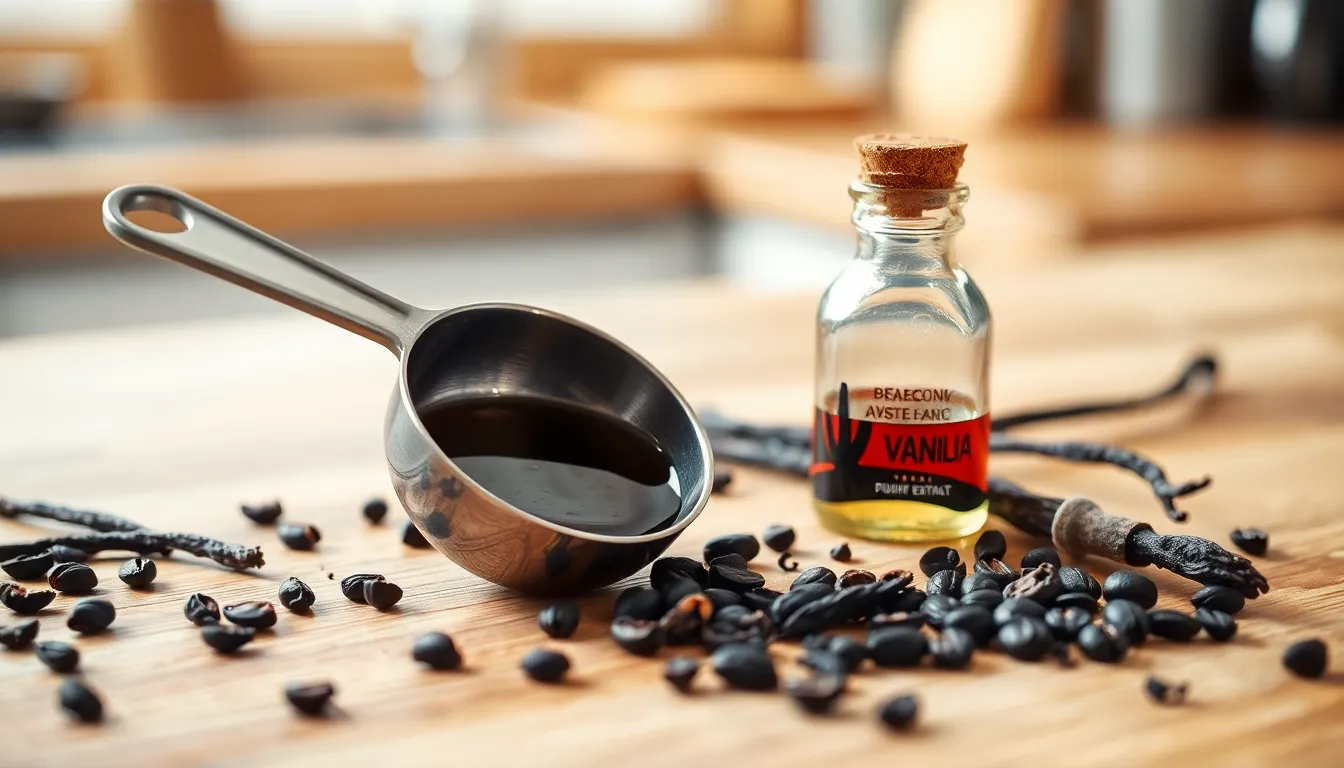
Did you know that an innocent bottle of vanilla extract in your kitchen cabinet contains 35-40% alcohol, similar to many hard liquors? While it’s perfectly safe for baking your favorite cookies, consuming vanilla extract in large quantities can lead to serious health consequences.
Vanilla extract overdose symptoms begin with dizziness and nausea but can quickly escalate to more severe conditions like loss of consciousness, irregular breathing, and even alcohol poisoning, requiring immediate medical attention. The high alcohol content makes vanilla extract particularly dangerous when misused, potentially causing respiratory failure and long-term organ damage, especially to the liver.
Understanding Vanilla Extract
Vanilla extract is a concentrated flavoring made by soaking vanilla beans in alcohol and water. This common baking ingredient has properties that make it potentially dangerous when consumed in large quantities rather than the small amounts used in recipes.
What Is Vanilla Extract?
Vanilla extract is a solution derived from vanilla beans that have been macerated in a mixture of alcohol and water. Pure vanilla extract contains the compound vanillin, which gives it its distinctive flavor and aroma. According to food regulations, pure vanilla extract must contain at least 35% alcohol and 13.35 ounces of vanilla beans per gallon. The extraction process uses alcohol to dissolve the flavor compounds from the vanilla beans, resulting in the dark brown liquid commonly found in kitchens. Vanilla extract comes in several forms, including pure, imitation, and vanilla bean paste, with pure extract being the highest quality option for baking and cooking.
Alcohol Content in Vanilla Extract
The alcohol content in vanilla extract ranges from 35-40% ABV (alcohol by volume), making it comparable to many spirits like vodka or rum. This high concentration is equivalent to 70-proof liquor, significantly higher than beer (typically 4-6% ABV) or wine (around 12-14% ABV). The substantial alcohol content serves as a preservative and extraction medium for the vanilla bean flavors, but it also presents risks for vanilla extract overdose if consumed in large quantities. A few tablespoons of pure vanilla extract contain enough alcohol to cause intoxication, particularly in children or individuals with low alcohol tolerance. This high alcohol percentage is why vanilla extract is sometimes misused as an alternative source of alcohol, even though its strong, unpleasant taste when consumed directly.
Risks of Vanilla Extract Consumption
Vanilla extract’s high alcohol content presents significant health risks when consumed improperly. Pure vanilla extract typically contains 35-40% alcohol by volume (ABV), making it comparable to many distilled spirits and potentially dangerous when misused.
Can You Get Drunk From Vanilla Extract?
Yes, consuming vanilla extract in sufficient quantities can cause intoxication. With most pure vanilla extracts containing approximately 35% ABV, drinking just four ounces equals consuming about four shots of vodka. The effects of intoxication from vanilla extract include:
- Dizziness and lightheadedness
- Slurred speech
- Impaired coordination
- Behavioral changes
Intoxication occurs because your body processes the alcohol in vanilla extract identically to alcohol in beverages. Though imitation vanilla extract contains significantly less alcohol and is unlikely to cause intoxication, pure extract can quickly lead to drunkenness, especially in individuals with low alcohol tolerance or children who accidentally consume it.
How Much Vanilla Extract Is Dangerous?
Consuming more than a few ounces of vanilla extract can rapidly lead to alcohol poisoning, a serious medical emergency. The danger threshold varies based on:
| Factor | Impact on Vanilla Extract Tolerance |
|---|---|
| Body Weight | Lower weight = greater sensitivity |
| Age | Children and the elderly are more vulnerable |
| Alcohol Tolerance | Previous exposure affects reaction |
| Overall Health | Existing conditions increase risk |
Signs of vanilla extract overdose include:
- Confusion and disorientation
- Severe nausea and vomiting
- Slow or irregular breathing
- Loss of consciousness or seizures
- Hypothermia (low body temperature)
Long-term health risks from repeated vanilla extract misuse include liver damage, particularly when extracts contain coumarin, and potential alcohol dependency. The liver metabolizes the ethanol in vanilla extract just as it does with alcoholic beverages, leading to similar health complications with prolonged exposure.
Even small amounts consumed regularly over time can cause cumulative damage, underscoring the importance of using vanilla extract only as intended—as a flavoring in small quantities for culinary purposes.
Signs and Symptoms of Vanilla Extract Overdose
Vanilla extract overdose presents distinct symptoms due to its high alcohol content (35-40% ABV), similar to hard liquors like vodka or bourbon. Recognizing these signs early is crucial for prompt medical intervention and preventing potentially life-threatening complications.
Early Warning Signs
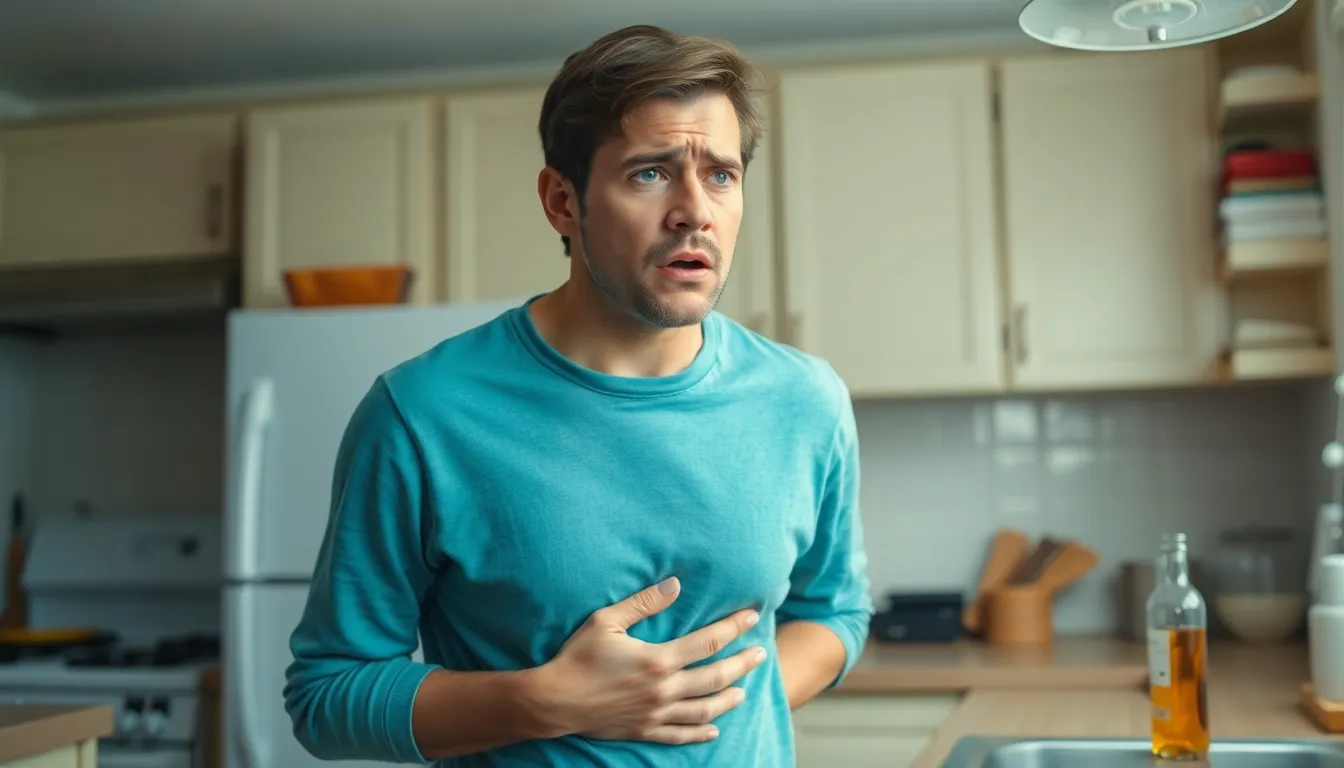
Early symptoms of vanilla extract overdose mimic those of alcohol intoxication and include:
- Dizziness and lightheadedness
- Nausea and stomach pain
- Headaches that develop shortly after consumption
- Gastrointestinal upset or discomfort
- Allergic reactions, including itching, hives, or facial swelling
- Sleep disturbances
- Dilated pupils accompanied by warming sensations
- Feeling intoxicated or inebriated
These initial symptoms occur as the alcohol in vanilla extract enters the bloodstream, quickly affecting the central nervous system. Even small amounts can cause these reactions in individuals with low alcohol tolerance, children, or those with certain medical conditions.
Severe Symptoms of Alcohol Poisoning
When larger quantities of vanilla extract are consumed, symptoms can rapidly progress to alcohol poisoning, characterized by:
- Confusion, disorientation, and impaired judgment
- Loss of consciousness or unresponsiveness
- Slow, shallow, or irregular breathing patterns
- Bluish discoloration of lips, skin, or fingertips
- Hypothermia (reduced body temperature)
- Seizures or convulsions
- Uncontrollable vomiting
- Central nervous system depression
- Potential liver damage, especially with repeated or high-dose consumption
The severity of these symptoms stems from the liver’s inability to process large amounts of alcohol quickly enough, leading to toxic alcohol levels in the bloodstream. Some vanilla extracts, particularly Mexican varieties, may also contain coumarin, which adds further risk of liver toxicity when consumed in large quantities.
If you observe these severe symptoms in someone who has consumed vanilla extract, seek immediate medical attention. Alcohol poisoning from vanilla extract overdose requires professional treatment and can be fatal without proper intervention.
Health Consequences of Vanilla Extract Misuse
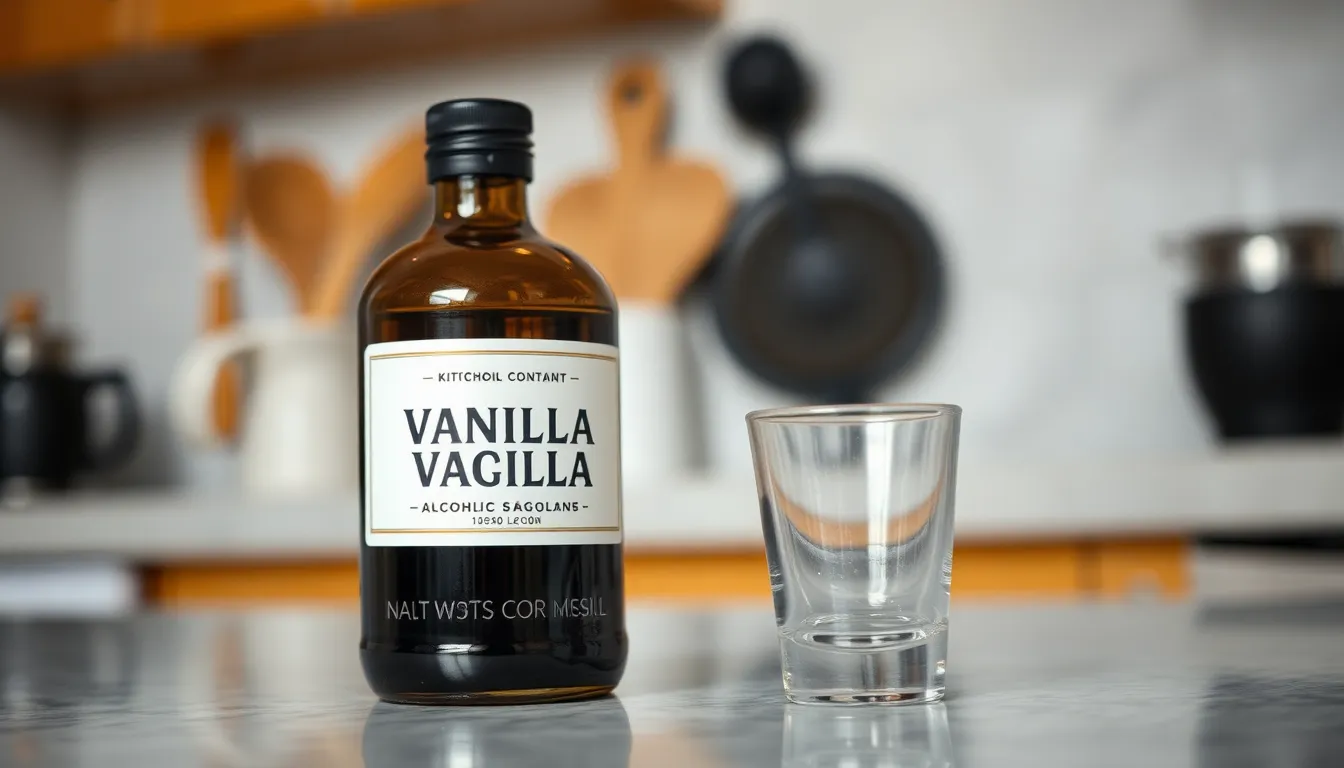
Vanilla extract misuse poses significant health risks due to its high alcohol content of 35-40% ABV. Consuming large quantities can lead to both immediate dangers and chronic health problems, similar to alcohol abuse.
Short-Term Health Effects
Short-term consumption of vanilla extract in large amounts triggers several immediate health reactions. Symptoms progress from mild to severe as the amount consumed increases:
- Alcohol Poisoning: Excessive intake causes confusion, vomiting, irregular breathing, hypothermia, seizures, and bluish skin discoloration. These symptoms require immediate medical attention.
- Central Nervous System Depression: The high alcohol content affects brain function, resulting in disorientation, slurred speech, and impaired motor skills, similar to traditional alcohol intoxication.
- Gastrointestinal Distress: Early symptoms include stomach disturbances, migraines, dizziness, and queasiness, indicating ethanol intoxication from even modest quantities.
- Allergic Reactions: Some individuals experience itching, hives, breathing difficulties, or facial swelling after consuming vanilla extract.
| Initial Symptoms | Severe Symptoms |
|---|---|
| Dizziness | Slow or irregular breathing |
| Nausea and vomiting | Confusion and disorientation |
| Loss of coordination | Loss of consciousness |
| Stomach pain | Hypothermia |
Long-Term Health Risks
Prolonged misuse of vanilla extract creates lasting health complications:
- Liver Damage: Chronic consumption causes progressive liver deterioration, including fatty liver disease, inflammation (hepatitis), and cirrhosis. Extracts containing the coumarin compound exhibit this toxicity.
- Alcohol Dependency: Regular consumption of vanilla extract for its alcohol content can lead to physical and psychological dependence, requiring professional intervention.
- Persistent Digestive Issues: Continuous intake irritates the digestive system, causing chronic gastrointestinal problems and recurring allergic reactions.
- Organ System Damage: Beyond liver complications, sustained vanilla extract misuse damages multiple organ systems, similar to chronic alcoholism. This includes potential brain damage, cardiovascular issues, and compromised immune function.
Regular vanilla extract overdose indicates potential substance abuse issues that require professional medical and psychological support to address underlying causes and prevent further health deterioration.
What to Do in Case of Vanilla Extract Overdose
Vanilla extract overdose requires immediate action due to its high alcohol content (typically 35-40%). Knowing the proper emergency response steps can prevent serious complications or even save a life when someone has consumed excessive amounts of vanilla extract.
Immediate First Aid Measures
Emergency response to vanilla extract overdose focuses on managing the effects of alcohol poisoning. Call emergency services (911) immediately if you suspect an overdose has occurred. While waiting for medical professionals to arrive:
- Position the unconscious person on their side to prevent aspiration of vomit, which helps prevent choking or asphyxiation
- Monitor their breathing patterns closely, watching for shallow, slow, or irregular breathing, as these are serious warning signs
- Don’t give any food, water, or other liquids, as these may worsen their condition
- Keep the person warm and calm until emergency responders arrive
- Don’t leave them alone, as their condition might deteriorate rapidly
- Remove any remaining vanilla extract to prevent further consumption
When to Seek Medical Attention
Medical intervention for vanilla extract overdose is essential when specific symptoms appear. Since vanilla extract contains a significant percentage of alcohol, consuming it in large quantities presents similar risks to alcohol poisoning.
Seek emergency medical care immediately if you notice:
- Dizziness, nausea, vomiting, confusion, or disorientation
- Slurred speech or severely impaired motor skills
- Very fast or irregular heart rate (e.g., 168 bpm)
- Elevated blood pressure
- Slow or irregular breathing patterns
- Loss of consciousness
- Seizures
- Reduced body temperature (hypothermia)
- Central nervous system depression
- Pale or bluish skin coloration
Medical professionals can provide appropriate treatment, including monitoring vital signs, administering fluids to prevent dehydration, and implementing supportive care measures. Prompt medical treatment is critical in preventing potentially fatal outcomes from vanilla extract overdose.
Prevention Strategies
Prevention of vanilla extract overdose centers on proper storage, vigilant monitoring, and awareness of alternatives. Taking proactive measures significantly reduces the risk of accidental ingestion or intentional misuse, especially in households with children or individuals with a substance abuse history.
Proper Storage and Monitoring
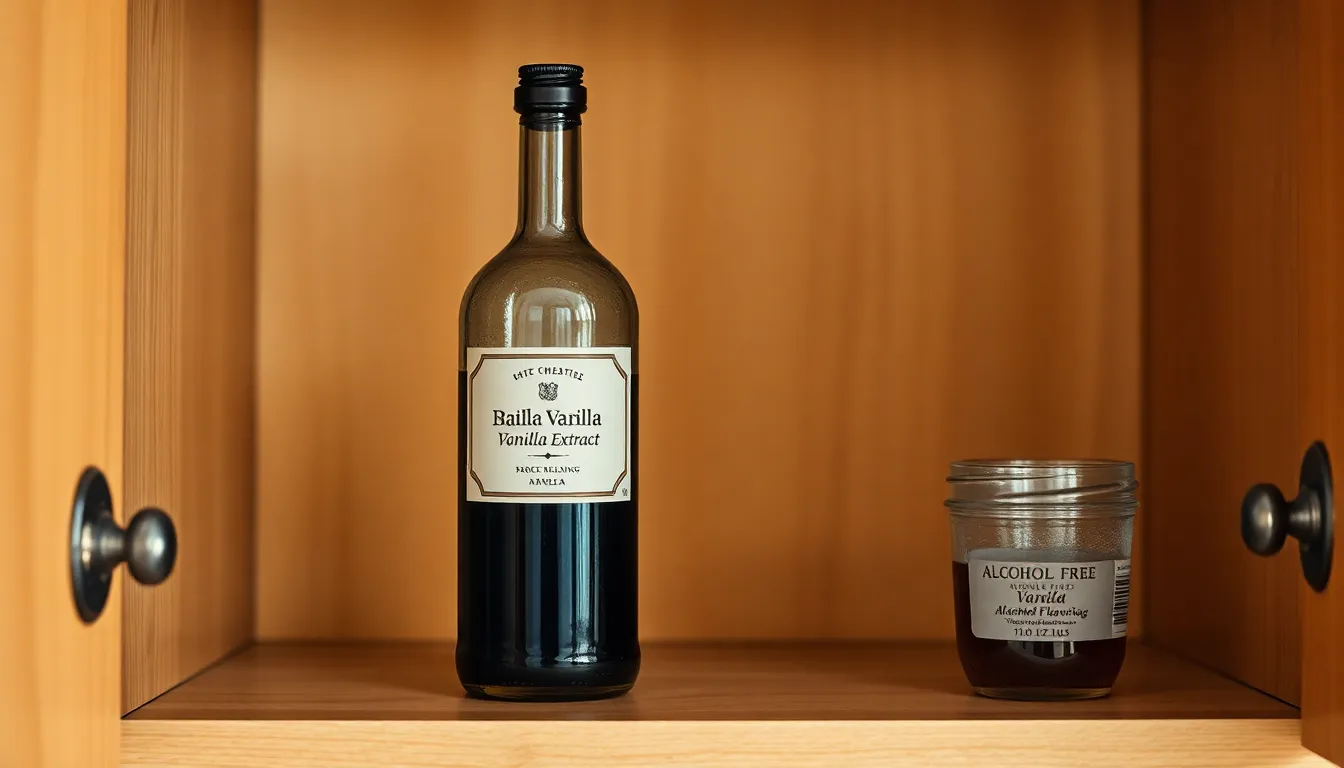
Proper storage and diligent monitoring are crucial steps in preventing vanilla extract overdose. Since vanilla extract typically contains about 35% alcohol, treating it as you would any high-alcohol substance is essential:
- Store vanilla extract in a secure location such as a locked cabinet or high shelf, well out of reach of children and individuals at risk of misuse
- Always ensure the bottle cap is tightly sealed after each use to prevent spills or accidental ingestion
- Purchase smaller quantities of vanilla extract to limit the availability of large amounts of alcohol in your home
- Monitor usage by marking the bottle’s level after each use and documenting the amount used in recipes to detect any unusual consumption patterns
- Educate family members about the risks associated with vanilla extract overdose and alcohol poisoning to discourage misuse
These straightforward precautions help prevent both intentional and accidental overconsumption of vanilla extract, which is particularly important given its high alcohol content, which can lead to serious health consequences if misused.
Alcohol-Free Alternatives
For households concerned about the potential risks of vanilla extract overdose, several alcohol-free alternatives provide the same flavor without the associated dangers:
- Alcohol-free vanilla flavorings: These products deliver vanilla flavor without the alcohol content, eliminating the risk of intoxication or overdose
- Vanilla bean paste: A concentrated form that offers intense vanilla flavor without the high alcohol content of traditional extract
- Vanilla powder: Made from dried and ground vanilla beans, this alcohol-free option works well in both dry and wet recipes
- Homemade vanilla syrup: Create your own vanilla flavoring by simmering vanilla beans in water and sugar for a non-alcoholic alternative
Alcohol-free vanilla options are particularly advisable for households with children, individuals in recovery from alcohol dependency, or those with medical conditions that prohibit alcohol consumption. These alternatives provide the same culinary benefits while significantly reducing safety concerns related to vanilla extract overdose.
By implementing secure storage practices, maintaining careful monitoring, providing education about risks, and considering alcohol-free alternatives, families can safely enjoy vanilla flavoring in their cooking while minimizing the risk of accidental or intentional overdose.
Common Questions
People often wonder about the effects and dangers associated with excessive vanilla extract consumption. The extract’s high alcohol content creates potential risks that many consumers don’t fully understand. Here are answers to the most frequently asked questions about vanilla extract overdose.