

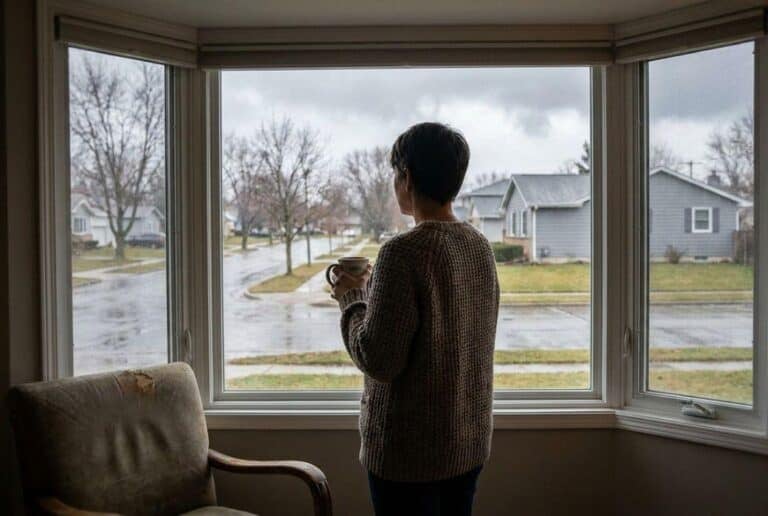
Weed withdrawal symptoms are more common than most people expect, especially for those who use marijuana frequently or in large amounts. Knowing the signs, such as restless sleep, irritability, or not feeling like yourself, can help people feel more prepared and willing to seek professional care. These symptoms are real and can feel uncomfortable, but they’re also temporary. With the right support and coping tools, you’ll find they’re much more manageable than you might expect. Learning what to look for and how to care for yourself can make this process feel a lot less overwhelming.
Suffering Withdrawal from Weed Symptoms?
Cannabis use disorder affects millions of people across the country. When an addict stops using marijuana regularly, the brain adjusts to the absence of THC. This adjustment period brings on symptoms of marijuana withdrawal, including irritability, nausea, insomnia, and mood swings. Some people experience mild discomfort, while others face severe withdrawal symptoms that interfere with daily life. Finding the right addiction treatment options is key to managing cannabis withdrawal safely and building a path toward long-term recovery.
What Are the Symptoms of Marijuana Withdrawal?
Many people wonder if stopping marijuana use causes physical reactions. The truth is that marijuana withdrawal is a very real condition. When you stop using, your body must adjust to the absence of THC.
This adjustment creates specific withdrawal symptoms of weed. Some people think marijuana is not addictive. However, clinical evidence strongly proves otherwise.
It is a myth that you cannot experience a cannabis withdrawal syndrome. In fact, research shows that 47% of people who use marijuana regularly experience withdrawal symptoms.
Validating your physical and psychological experiences is the first step to feeling better. Finding answers on forums for weed withdrawal symptoms reddit shows how common this is. You are not making this up, and your discomfort is entirely valid.
When people ask if you can get withdrawal symptoms from weed, the answer is yes. Marijuana withdrawal can disrupt your daily life. THC withdrawal impacts both your body and your mind. Over time, your system learns to rely on marijuana. Removing it creates temporary but uncomfortable changes.
Physical Symptoms of Cannabis Withdrawal
Your physical reactions to stopping THC can feel surprising. These symptoms mimic other types of detox.
- You might experience major sleep problems when you first quit.
- Night sweats are a very common physical reaction.
- Your appetite may drop, making it hard to eat normally.
- You might have vivid, strange dreams as your brain heals.
Your body is working hard to clear the toxins. This physical detox period requires patience and self-care.
Emotional and Mental Symptoms
The psychological effects of quitting can be the hardest part. You might notice sudden mood swings and intense irritability. High stress levels and feelings of anxiety are completely normal during this time. Your brain is trying to regulate your mood without THC. This emotional turbulence is a well-documented part of cannabis use disorder.
The emotional toll can be surprisingly heavy. A recent study found that 59% of medical cannabis users for chronic pain had moderate to severe withdrawal symptoms. If your mood feels unmanageable, you are not alone. Seeking help from mental health treatment centers Massachusetts can provide relief. Professional support helps you navigate these intense psychological shifts.
How Long Do Weed Withdrawal Symptoms Last?
Knowing the marijuana withdrawal timeline helps you prepare for the days ahead. A common question is how long do weed withdrawal symptoms last. The process usually unfolds in a predictable pattern. However, everyone experiences this transition a little differently. Symptoms typically begin within the first 24 to 48 hours.
| Timeline Phase | Common Symptoms | Severity Level |
|---|---|---|
| Days 1 to 3 (Onset) | Mild anxiety, sleep disruption, sweating | Mild to Moderate |
| Days 4 to 7 (Peak) | Intense irritability, vivid dreams, low appetite | Moderate to Severe |
| Week 2+ (Lingering) | Mild mood swings, occasional cravings, sleep issues | Mild |

Check Insurance
We Accept Most Insurance
We are available 24 hours a day, 7 days a week to help you or your loved one understand your insurance coverage. 100% confidentiality guaranteed.
Early symptoms are most likely to peak at days two through six. During this peak period, the risk of relapse is highest. After the first week, the physical discomfort usually begins to fade.
Lingering psychological effects can continue for a few more weeks. You might wonder how long do the withdrawal symptoms of weed last overall.
Most acute symptoms resolve within one to three weeks. However, clinical management of cannabis withdrawal shows sleep issues can persist longer. Asking how long do withdrawal symptoms last from weed depends on your history.
Factors That Influence the Timeline
Several variables explain why the timeline varies from person to person. The frequency of your use plays a massive role in your recovery.
Your unique individual metabolism also dictates how fast THC leaves your system. Developing cannabis dependence takes time, and healing takes time, too.
The potency of the marijuana you consume matters greatly. Methods like dabbing use concentrates with up to 80% THC levels. This high potency can make your symptoms last much longer.
Interestingly, up to 50% of individual differences can be attributed to genetic and epigenetic factors. Your genetics influence how deeply your brain adapts to THC.
Differences Between Adult and Adolescent Users
Age also impacts how long do the withdrawal symptoms from weed last. The DSM-5 notes that withdrawal is generally more common among adults.
Adults typically experience more severe symptoms than younger users. This is often because adults tend to use more frequently and in greater amounts.
However, adolescent users face their own unique challenges. Early use increases the risk factors for developing a severe marijuana use disorder later.
Young brains are highly sensitive to THC exposure. Developing a severe dependence early on can complicate the withdrawal process.

Coping with Cannabis Withdrawal
Finding ways to cope makes detoxing much more manageable. The discomfort of withdrawal from weed symptoms can feel overwhelming at first.
Thankfully, you can use evidence-based strategies to ease this physical and emotional distress. You might wonder if drinking water will speed up marijuana detox.
Hydration is essential, but it will not magically flush THC out instantly. THC is stored in your fat cells, so it leaves the body slowly. Staying hydrated simply supports your body as it does this hard work.
Your focus should be on holistic support and daily self-care. Treating your body kindly reduces the shock of withdrawal.
Behavioral therapy can also provide lasting tools for managing daily stress. With the right support, you can get through this challenging phase.
Home Strategies for Better Sleep and Mood
You can actively reduce your withdrawal from weed symptoms with simple habits. Building a structured daily routine provides comfort and stability.
- Establish a calming bedtime ritual to fight insomnia and vivid dreams.
- Keep your sleep routine consistent by waking up at the same time daily.
- Increase your water intake to stay fully hydrated throughout the day.
- Maintain your food intake with small, balanced meals even if you lack appetite.
- Practice meditation or deep breathing as a healthy distraction technique.
These small actions tell your brain that you are safe. Gentle exercise can also naturally boost your mood and ease tension.
The Challenge of Relapse Prevention
The physical and emotional discomfort of withdrawal is the primary driver of relapse. When symptoms peak, returning to marijuana feels like the easiest escape.
Cognitive behavioral therapy Massachusetts helps clients challenge and change the thinking patterns that fuel marijuana use disorder. It is one of the most widely used approaches for managing cannabis withdrawal syndrome and preventing relapse.
DBT therapy Massachusetts adds emotion regulation, distress tolerance, and mindfulness skills to the process. These tools help clients ride out the emotional rollercoaster of withdrawal without turning back to cannabis. Clients receiving drug and alcohol rehab Massachusetts services often benefit from both CBT and DBT as part of their overall plan.
Many people who develop marijuana addiction have unresolved trauma beneath the surface. EMDR therapy Massachusetts uses guided eye movement techniques to process traumatic memories held in the brain and body. PTSD treatment Massachusetts helps clients work through painful experiences without feeling overwhelmed in the process.
Brainspotting targets the specific points in the brain where trauma is stored, offering another path to healing. Experiential therapy engages clients through creative and physical activities that support emotional processing and self-care. All of these therapies point to long-term recovery.
Getting Help for Marijuana Addiction
Sometimes, home remedies and sheer willpower are not enough. Transitioning from self-management to professional addiction treatment is a brave step.
Professional care offers the structure needed to overcome marijuana addiction for good. You do not have to struggle through this detox process isolated and alone.
Common comorbidities with substance use disorders often include polysubstance use. Trying to quit multiple substances alone can be dangerous. Seeking care at dual diagnosis treatment centers Massachusetts ensures your safety.
Woburn Addiction Treatment is a premier, compassionate option in the Greater Boston area. We proudly serve the North Shore and surrounding suburban communities. Our team understands the unique pressures you face in your daily life.
Outpatient Programs at Woburn Addiction Treatment
Woburn Addiction Treatment offers highly structured outpatient rehabilitation programs. Our partial hospitalization program (PHP) Massachusetts provides intensive daily support and therapy. We also offer an intensive outpatient program Massachusetts for flexible continued care. These medical facilities are designed for your comfort and absolute privacy.
Our commuter-friendly location sits conveniently near Route 128 and I-93. This makes our programs ideal for professionals and parents in suburban Massachusetts. Residents of Woburn, Burlington, and Reading can access top-tier care easily. You will find a dedicated support group ready to welcome you. Recovery from a substance use disorder is completely possible. You can heal without putting your daily life entirely on hold.
Ready to Move Past Weed Withdrawal?
Overcoming weed withdrawal symptoms can feel incredibly overwhelming, but relief is truly possible. Understanding the timeline and physical changes helps you prepare for the road ahead. You do not have to navigate this intense emotional and physical discomfort alone.
Woburn Addiction Treatment provides the expert, compassionate care you deserve. Our clinical team is ready to help you regain control of your life safely. Get started by visiting our contact us page, calling (781) 622-9190, or stopping by our Google page to read about other clients’ experiences. Reach out right now to schedule an assessment and begin designing a treatment plan that fits your life.
Sources
SAMHSA. (2023, June 9). National Helpline for Mental Health, Drug, Alcohol Issues – SAMHSA. SAMHSA.
National Institutes of Health. (2022, January 10). Clinical management of cannabis withdrawal. National Institutes of Health.
National Institute on Drug Abuse. (n.d.). Common Comorbidities with Substance Use Disorders Research Report. National Institute on Drug Abuse.
Centers for Disease Control and Prevention. (2016, March 18). CDC Guideline for Prescribing Opioids for Chronic Pain. Centers for Disease Control and Prevention.
National Academy of Medicine. (2024, November 21). Best Practices, Research Gaps, and Future Priorities to Support Tapering. National Academy of Medicine.


