

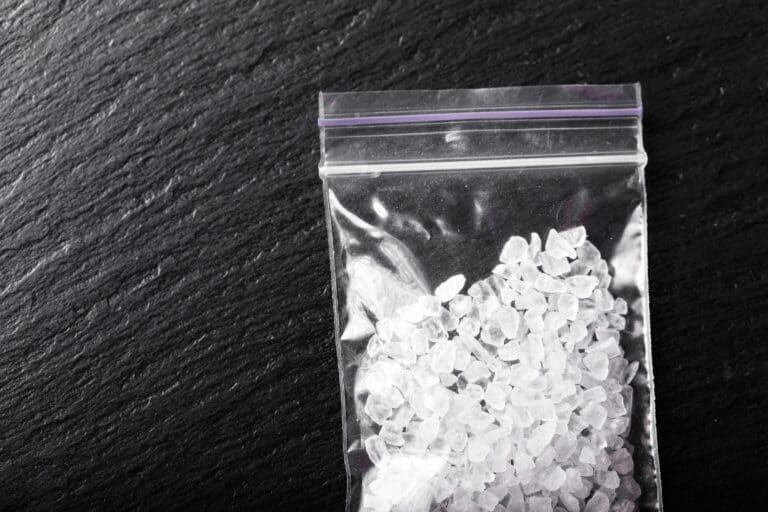
When you’re worried that someone you care about might be using methamphetamine, or if you’re trying to understand it for yourself, one of the first questions is often the most basic: what does meth look like? It’s a question that comes from a place of concern, and finding clear, straightforward answers is the first step. Understanding how to identify it, its different forms, the specific smells it can create, and the signs of its use can feel overwhelming. But you’re not alone in this. We’re here to walk through this information with you, providing clear, judgment-free facts to help you know what to look for and what your next steps can be.
What Does Meth Look Like?
Knowing what meth looks like can be complicated because its appearance varies. It doesn’t have just one look. Instead, it typically comes in three main forms: crystal, powder, and liquid. The specific appearance, color, and texture of meth can change a lot depending on how it was made, the chemicals used, and what other substances it might have been mixed, or “cut,” with. The purity of the drug often influences its form, with purer versions looking different from those with more additives.
Crystal Meth
Crystal meth, known by street names like “ice” or “glass,” is one of the most recognizable forms of the drug. It appears as coarse, clear crystals or shiny, bluish-white rocks. As the nicknames suggest, its appearance is very similar to that of glass fragments, ice chips, or shards of rock salt or quartz. This form is typically a purer version of methamphetamine, which contributes to its crystal-like structure.
Meth Powder
Meth can also be found as a fine, crystalline powder with a bitter taste. While it’s often white, impurities from the manufacturing process can give it an off-white, yellowish, brown, or even pink color. Because of its appearance, meth powder can look a lot like powdered sugar, salt, or chalk. This makes it relatively easy to conceal, but the slight color variations can sometimes hint at the presence of other chemicals or cutting agents.
Liquid Meth
Liquid meth is a much less common form. It is often created by dissolving methamphetamine in water or alcohol, which makes it easier to transport or smuggle. When you see it, it might look like a dark, oily, or syrupy liquid, and it usually has a strong chemical smell. This form is particularly dangerous because it can be injected directly. Sometimes, liquid meth is later converted back into a solid, crystalline form before it’s sold or used.
Taste and Smell
While appearance is one way to identify meth, smell and taste are other characteristics people ask about. However, it is extremely important to state this clearly: you should never, ever taste a substance you suspect might be a drug. Doing so could lead to accidental poisoning from toxic chemicals and an immediate overdose. Illicit drugs are not made in sterile labs, and they can contain anything. When it comes to meth, people who have used it report a very bitter, chemical taste.
The drug itself is technically odorless, but the chemicals used to make it and the act of smoking it create distinct smells. When smoked, meth can give off a faint chemical smell that some compare to burning plastic, ammonia, or strong cleaning products. These odors are often the result of leftover ingredients from the dangerous and unpredictable manufacturing process.

Check Insurance
We Accept Most Insurance
We are available 24 hours a day, 7 days a week to help you or your loved one understand your insurance coverage. 100% confidentiality guaranteed.
How Do People Use Meth?
People use methamphetamine in several different ways, and the method affects how quickly the drug takes effect. The four most common methods are smoking, snorting, injecting, and swallowing. According to one study, 63% of people who use meth smoked it, 44% snorted it, 27% injected it, and 30% swallowed it. Smoking or injecting the drug delivers it to the brain almost instantly, creating an intense, immediate rush that fades quickly.
This rapid onset is one of the reasons the potential for addiction is so high with these methods. Snorting takes a few minutes to take effect, while swallowing it orally has the slowest onset, as it must pass through the digestive system first. The National Institute on Drug Abuse explains that all of these methods can lead to addiction and serious health consequences.
Items Commonly Used with Meth
Finding certain items, often called paraphernalia, can be a strong indicator of meth use. Different methods of use require different tools, so what you find might point to how someone is using the drug. Common paraphernalia includes:
- For smoking: Glass pipes (which may look like a tube with a bulb at one end), burnt aluminum foil, lightbulbs with black or brown burn marks, or lighters.
- For injecting: Syringes, needles, spoons with burn marks on the bottom (used to dissolve the meth), and tie-offs like belts or rubber tubing.
- For snorting: Straws, hollowed-out pens, rolled-up dollar bills, razor blades, and small mirrors or other flat surfaces for cutting the powder into lines.
Short-Term Dangers of Crystal Methamphetamine Abuse
The immediate risks of using crystal methamphetamine are severe and can be life-threatening. As a powerful stimulant, meth causes a rapid increase in heart rate, blood pressure, and body temperature, a condition known as hyperthermia. This puts immense strain on the cardiovascular system and can lead to a heart attack or stroke, even in young or otherwise healthy individuals. The risk of an overdose is also very high.
A methamphetamine overdose can cause seizures, organ failure, or cardiac arrest. In addition to the physical dangers, the short-term psychological effects are equally alarming. Users can experience intense paranoia, aggression, and vivid hallucinations. Survey data highlights these dangers, with 23% of users reporting high blood pressure and 16% reporting hallucinations. This combination of physical and mental distress creates a dangerous and unpredictable situation with every use.
Long-Term Dangers of Crystal Meth Abuse
Chronic meth use leads to devastating long-term consequences that can be difficult, and sometimes impossible, to reverse. Physically, the damage is extensive. “Meth mouth” is a hallmark of long-term use, characterized by severe tooth decay and gum disease caused by a combination of drug-induced dry mouth, teeth grinding, and poor hygiene. Extreme weight loss and malnutrition are also common.
Over time, meth can cause significant damage to vital organs, including the heart, liver, and kidneys. It also changes the brain’s structure and function, leading to persistent psychological issues. Many individuals who have used meth for a long time struggle with chronic psychosis, severe depression, anxiety, and memory loss, even after they stop using. The method of use can also lead to specific damage; for example, those who snorted it were found to be 2.5 times more likely to have nasal damage.
Getting Treatment for Meth Use
Seeing the devastating effects of meth can feel hopeless, but it’s so important to know that recovery is possible. At Woburn Addiction Treatment, we have seen people break free from addiction and build new, healthy lives. We offer a compassionate and expert approach to outpatient care right here in Massachusetts, designed to meet you where you are.
Because meth addiction often co-occurs with mental health conditions like anxiety or depression, we specialize in dual diagnosis treatment. This integrated approach ensures we address both the substance use and any underlying mental health challenges at the same time, which is crucial for lasting recovery. If you recognize these signs in yourself or a loved one, our meth addiction treatment team in Massachusetts can help. Contact us for a free, confidential assessment to explore your options.
Taking the Next Step After Learning About What Meth Looks Like
Learning to identify the different forms of meth, its distinct smell, and the common signs of use is a critical first step. It empowers you to see the reality of the situation, whether you’re concerned for yourself or for someone you love. But recognizing the problem is just the beginning. The most important thing to remember is that you don’t have to face this alone. Recovery from substance use disorder is not just possible; it’s happening every day for people who get the right support. If you’re ready to learn more about treatment options, we’re here to provide help and connect you with the resources you and your family need. Reach out to our compassionate team to start the conversation.
If you’re ready to seek out help after learning about what meth looks like, know that you’re not alone. The journey to recovery can start with a single, simple step. If you or someone you know is struggling with meth use, please don’t wait. You can call us at (781) 622-9190 to speak with someone who understands and can guide you toward the right path. Our team at Woburn Addiction Treatment is ready to help you explore your options in a safe and confidential space. You can also find more information on our family support resources or contact us to take that brave first step today.
Sources
- U.S. Drug Enforcement Administration. (2020). Drug Fact Sheet: Methamphetamine. U.S. Department of Justice.
- National Center for Biotechnology Information. Methamphetamine | C10H15N | CID 10836 – PubChem. National Library of Medicine.
- U.S. Department of Justice. Methamphetamine (Trade Name: Desoxyn®; Street Names). U.S. Department of Justice.
- National Institute on Drug Abuse. (2024). Methamphetamine. National Institutes of Health.
- Substance Abuse and Mental Health Services Administration. What are Stimulants? Side Effects, Short and Long Term Risks. U.S. Department of Health and Human Services.
- MedlinePlus. (2023). Methamphetamine overdose. U.S. National Library of Medicine.
- Nevada Attorney General. (2024). Recognizing a Meth House or Structure. State of Nevada.
- Oregon Health Authority. (2022). Methamphetamine Overdose (Overamping). State of Oregon.
- Substance Abuse and Mental Health Services Administration. Home | SAMHSA. U.S. Department of Health and Human Services.
- U.S. Department of Justice. (2003). Methamphetamine Fast Facts. U.S. Department of Justice.
- National Institute of Standards and Technology. (2004). Methamphetamine. U.S. Department of Commerce.


