

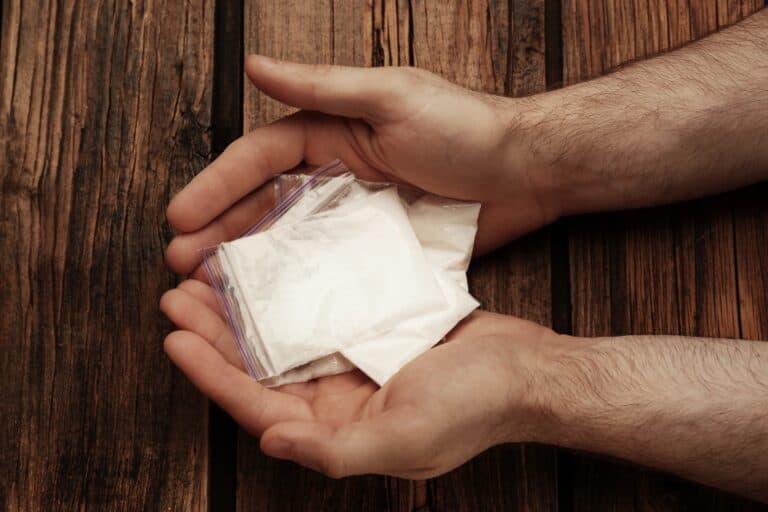
Methamphetamine, a powerful and dangerous stimulant, is known for producing distinct and unpleasant odors, both when it’s being made and when it’s being used. Recognizing these smells is a critical first step in protecting yourself, your family, and your community from the risks associated with this substance. Understanding what meth smells like can help you identify a dangerous situation and know when to seek help for a loved one or report a potential hazard to the authorities.
What Does Meth Smell Like?
One of the most common questions people have is, “What does meth smell like?” The truth is, the odor of methamphetamine can vary a lot. The most powerful and noticeable smells are linked to its production, which is often done in illegal, hidden labs. These odors are much stronger and more dangerous than the smell of someone smoking the drug.
The chemical process of making meth creates strong, harsh fumes that can smell like a variety of potent substances. If you notice any of these smells, it could be a sign of a nearby meth lab:
- Powerful chemicals or solvents: A general, sharp chemical odor that smells like a hospital or an industrial setting.
- Ammonia or window cleaner: A very strong, acrid smell that’s often compared to the sharp scent of ammonia-based cleaners.
- Cat urine: The ammonia used in meth production can be so concentrated that it smells intensely like cat urine.
- Rotten eggs or sulfur: Certain ingredients and chemical reactions can produce a foul odor similar to rotten eggs.
- Acetone or nail polish remover: A distinct, sweet, and chemical smell that is easily recognizable.
- Burnt plastic: An unpleasant, acrid smell that may linger in the air.
These odors come from the dangerous chemicals used in the production process. The smell of smoked meth is different and generally much less intense, which we’ll cover next.
What Does Meth Smell Like When Smoked?
When someone is smoking meth, the odor is usually much fainter and harder to identify than the overwhelming chemical smells from a meth lab. The fumes from meth use are often described as a light, slightly sweet, or chemical-like vapor. Some people compare it to the smell of burnt plastic, but it’s typically not as strong or pungent as the odors associated with meth production.
While the smell from smoking meth might not be as overpowering, it can still be noticeable, especially in an enclosed space like a car or a small room. This meth odor doesn’t linger as long or as intensely as tobacco smoke, but its particles can be absorbed by fabrics. You might notice a faint, stale chemical smell on clothes, furniture, or curtains long after the drug has been used. Understanding the signs of meth use, including its smell, is crucial for recognizing when a loved one may need support for meth withdrawal and detox.

Check Insurance
We Accept Most Insurance
We are available 24 hours a day, 7 days a week to help you or your loved one understand your insurance coverage. 100% confidentiality guaranteed.
Why Does Meth Smell?
The powerful, unpleasant smells associated with methamphetamine don’t come from the drug itself but from the hazardous chemicals and volatile solvents used to make it. During meth production, various chemical reactions release potent fumes and byproducts into the air.
These ingredients are often common household or industrial products, but when mixed and heated, they create a toxic and foul-smelling environment. The specific combination of chemicals determines whether the meth smell is more like ammonia, rotten eggs, or something else entirely. It’s these dangerous ingredients that give meth its notorious odor.
What Ingredients are Used in Meth Production?
Meth is made using a variety of toxic, flammable, and corrosive chemicals that should never be handled or inhaled. Clandestine labs use a dangerous mix of products that can be found in homes and stores, which makes them even more hazardous. Some of the most common ingredients include:
- Pseudoephedrine or ephedrine: The primary active ingredient, often extracted from large quantities of cold medicine.
- Ammonia: A corrosive chemical found in some household cleaners and fertilizers.
- Acetone: A highly flammable solvent used in products like nail polish remover and paint thinner.
- Lithium: A highly reactive metal extracted from batteries.
- Sulfuric acid or hydrochloric acid: Corrosive acids found in drain cleaners or brick cleaning solutions.
- Phosphorus: Often sourced from matchbox striker plates (red phosphorus) or road flares.
These dangerous chemicals are not only responsible for the strong meth odor but also pose a severe risk of fire, explosion, and chemical burns to anyone nearby.
What To Do if Something Smells Like Meth
If you notice an odor that you believe might be related to meth production, your safety and the safety of those around you should be your top priority. Meth labs are incredibly dangerous environments, and it’s crucial to act with caution. Follow these steps to ensure you handle the situation safely:
- Do not investigate the source yourself. Never try to get closer to the smell or find its origin. Approaching a meth lab could expose you to toxic fumes or put you in a dangerous situation with the people involved.
- Leave the area immediately. Create as much distance as possible between you and the suspected location. If the smell is in your own home or apartment building, evacuate everyone safely.
- Avoid creating sparks. Do not turn light switches on or off, unplug appliances, or use anything that could generate a spark, as the chemical fumes may be flammable. This includes lighters and cell phones.
- Call 911 or local law enforcement from a safe location. Once you are a safe distance away, report your suspicions to the authorities. Provide them with the address and a description of the smell and any other signs you noticed.
Reporting your suspicion is the right thing to do. It helps protect your community and allows trained professionals to handle a potentially hazardous situation. You can often make a report anonymously through resources like the Drug Enforcement Administration (DEA) tip submission page.
Protecting Your Environment: Why Knowing “What Does Meth Smell Like?” Matters
If you or someone you care about is struggling with meth addiction, it’s important to know that recovery is absolutely possible. At Woburn Addiction Treatment, we offer compassionate and comprehensive outpatient programs for residents across Massachusetts who are ready to break free from substance abuse. We specialize in creating personalized treatment plans, including dual diagnosis care for co-occurring mental health conditions that often accompany addiction. Taking that first step can be the hardest part, but professional meth addiction treatment is available to guide you toward lasting change.
Recognizing the signs of meth use by knowing what meth smells like is the first step, but taking action is what truly matters. Whether you’re concerned about a loved one’s substance abuse or have questions about the recovery process, help is available. With the right support system, you can move forward with confidence and hope. If you’re ready to learn more about our programs, please don’t hesitate to call us at (781) 622-9190 or reach out to our team for guidance. We at Woburn Addiction Treatment are here to support you on your path to recovery. Feel free to contact us to begin your journey.
Sources
- Nevada Attorney General. (01-01-2024). Recognizing a Meth House or Structure – Nevada Attorney General. Nevada Attorney General.
- North Carolina State Bureau of Investigation. (01-01-2025). Signs of A Meth Lab – NCSBI. North Carolina State Bureau of Investigation.
- U.S. Department of Justice. (12-01-2003). Methamphetamine Laboratory Identification and Hazards Fast Facts. U.S. Department of Justice.
- Indiana Department of Health. (04-01-2021). Identifying an Illegal or Clandestine Drug Lab – IN.gov. Indiana Department of Health.
- Dubuque County, Iowa. (01-01-2024). Spotting a Meth Lab | Dubuque County, IA. Dubuque County, Iowa.
- Washington State Department of Health. (01-01-2023). Meth Labs | Washington State Department of Health. Washington State Department of Health.
- Indiana Meth Watch Program. [PDF] First Responder Safety Tips – IN.gov. Indiana Meth Watch Program.
- New Mexico Environment Department. [PDF] Hazardous Chemicals in Illicit Methamphetamine and Amphetamine …. New Mexico Environment Department.
- Oregon Health Authority. (11-20-2025). Chemicals in Meth Manufacture : Clandestine Drug Labs – Oregon.gov. Oregon Health Authority.
- U.S. Forest Service. Dangers of Meth Labs – LEI – Forest Service. U.S. Forest Service.
- Centers for Disease Control and Prevention. (01-06-2017). Adverse Health Effects Associated with Living in a Former … – CDC. Centers for Disease Control and Prevention.
- Office for Victims of Crime. (01-01-2003). Dangers to Children Living at Meth Labs – Office for Victims of Crime. Office for Victims of Crime.
- Illinois Department of Public Health. (09-09-2021). Methamphetamine Laboratories – Illinois Department of Public Health. Illinois Department of Public Health.
- National Institutes of Health. (03-23-2007). Children exposed to methamphetamine use and manufacture – NIH. National Institutes of Health.
- Substance Abuse and Mental Health Services Administration. (09-24-2025). Home | SAMHSA – Substance Abuse and Mental Health Services …. Substance Abuse and Mental Health Services Administration.
- U.S. Environmental Protection Agency. [PDF] Voluntary Guidelines for Methamphetamine and Fentanyl … – EPA. U.S. Environmental Protection Agency.
- Iowa Department of Public Safety. (04-15-2024). Clandestine Labs | Iowa Department of Public Safety. Iowa Department of Public Safety.
- Drug Enforcement Administration. (04-01-2021). Submit a Tip | DEA.gov. Drug Enforcement Administration.
- Virginia Department of Forensic Science. (08-28-2005). [PDF] Best Practices protocol for use by law enforcement and emergency. Virginia Department of Forensic Science.
- U.S. Department of Justice. (12-01-2003). Methamphetamine Laboratory Identification and Hazards Fast Facts. U.S. Department of Justice.


