

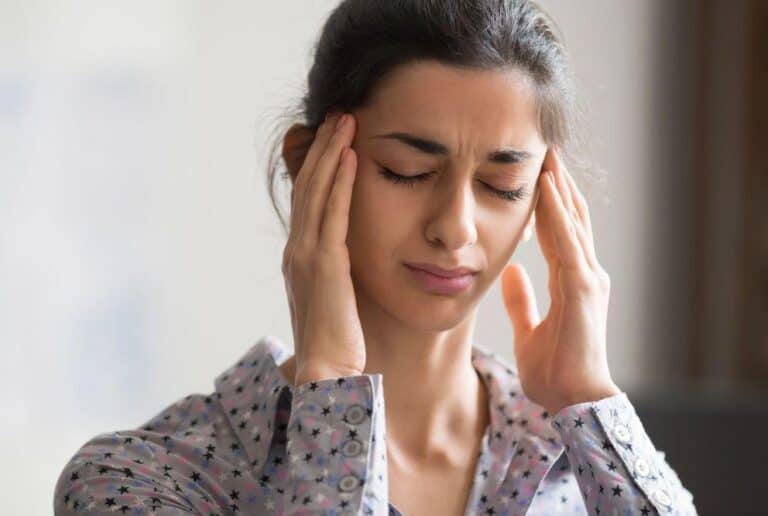
What happens when you green out? Greening out is the informal term for what happens when you consume more THC than your body can process at one time, resulting in a range of uncomfortable physical and psychological symptoms that can feel alarming in the moment. Whether it happens from smoking weed, eating high-potency edibles, or mixing cannabis with alcohol, the experience is unsettling and can range from dizziness and nausea to intense paranoia and panic. Understanding what greening out is, what causes it, and how to manage it can take away much of the fear and help you or someone you care about stay safe.
What Is Greening Out?
Greening out happens when too much THC overwhelms the body’s endocannabinoid system, the cell-signaling network responsible for maintaining balance across the nervous system. When a person consumes more cannabis than their tolerance can handle, this system gets flooded, triggering a cascade of adverse reactions that can feel like a medical emergency even when they aren’t.
Most green-out episodes are temporary and not life-threatening. With rest, hydration, and a calm environment, the symptoms pass as the body processes the THC. However, if greening out is happening frequently or if you’re consuming higher doses just to feel normal, it may be worth exploring if cannabis use disorder qualifies for professional treatment.
According to the National Institute on Drug Abuse, the potency of cannabis products has increased significantly in recent decades, making overconsumption easier and more common than many people expect.
Physical Symptoms of Greening Out
The physical symptoms of greening out can closely resemble a severe illness, which is part of why the experience feels so frightening. When the body is overwhelmed by too much THC, it triggers reactions throughout multiple systems at once.
Common physical symptoms include:
- Nausea and Vomiting: This is one of the most consistent signs of THC overconsumption and can be particularly intense with high-potency edibles.
- Dizziness and the Spins: A sensation of vertigo, where the room feels like it’s spinning, is one of the most commonly reported adverse effects of greening out.
- Rapid Heart Rate: Tachycardia, or a racing heartbeat, is a direct physiological response to high THC levels in the central nervous system and can trigger additional anxiety.
- Changes in Blood Pressure: Low blood pressure can cause lightheadedness, cold sweats, and pale skin upon standing.
- Loss of Motor Skills and Coordination: Limbs may feel heavy and uncoordinated, making it difficult to stand or walk steadily.
- Low Blood Sugar: Some people experience shakiness and weakness that can mimic hypoglycemia, particularly if cannabis was consumed on an empty stomach.
In most cases, these uncomfortable physical symptoms resolve within a few hours. However, persistent vomiting that doesn’t let up may indicate cannabinoid hyperemesis syndrome (CHS), a condition that occurs in chronic cannabis users and requires medical treatment to prevent dangerous dehydration.
Psychological Symptoms of Greening Out
The psychological effects of greening out are often the most distressing part of the experience. Because THC directly affects the central nervous system, the mental impact can feel completely out of proportion to what a person was expecting.
Common psychological symptoms include:
- Intense Anxiety and Panic Attacks: This is one of the most frequently reported psychological effects and can feel indistinguishable from a genuine anxiety disorder episode.
- Paranoia: Feeling that something terrible is about to happen, or believing that others are watching or judging you, is a common effect of too much THC.
- Confusion and Disorientation: Losing track of time, struggling to follow a conversation, or forgetting where you are can be deeply unsettling.
- Depersonalization: Some people feel disconnected from their own body or experience the world as unreal. This dissociative effect is more common with high-potency products and concentrates.
- Mild Hallucinations: In rare cases, extremely potent cannabis can produce altered visual or auditory perceptions, particularly in people with low tolerance or pre-existing mental health challenges.
If anxiety, panic, or dissociation persist long after the cannabis has cleared your system, an anxiety treatment program Massachusetts or panic attack treatment program can help address any underlying mental health conditions that may have been triggered or worsened.
What Causes Greening Out?
Greening out almost always comes down to consuming more THC than the body can manage, but several factors influence how quickly and severely this happens.

Check Insurance
We Accept Most Insurance
We are available 24 hours a day, 7 days a week to help you or your loved one understand your insurance coverage. 100% confidentiality guaranteed.
High-Potency Products and Edibles
The rise of high-potency edibles, concentrates, and dabs has made greening out more common. These products deliver much higher THC concentrations than traditional cannabis, and the intense effects come on rapidly.
Edibles present a particular risk because of their delayed onset. When a person consumes an edible and doesn’t feel anything within 30 to 60 minutes, they often take a second dose before the first has had time to metabolize. Once the liver processes both doses simultaneously, the combined effect can flood the system and cause a severe green out.
Mixing Cannabis with Other Substances
Combining cannabis with alcohol is one of the most common causes of an unexpectedly intense green out. Alcohol significantly increases the absorption of THC, making the psychoactive effects hit harder and faster than anticipated. Mixing cannabis with other drugs amplifies unpredictable effects and significantly raises the risk of greening out.
Individual Risk Factors
Low tolerance, consuming cannabis on an empty stomach, and pre-existing anxiety disorders all increase the risk of greening out. Body weight, metabolism, and overall health conditions also influence how a person processes THC. New or infrequent cannabis users are at much higher risk than regular users with established tolerance.
How Long Does Greening Out Last?
How long greening out lasts depends primarily on how the cannabis was consumed.
- Smoking or Vaping: Effects arrive within minutes, with symptoms typically peaking within the first hour and fading over 2 to 4 hours.
- High-Potency Edibles: Delayed onset of 30 minutes to 2 hours produces longer-lasting effects. A green out from edibles can last 6 to 12 hours, with some lingering grogginess persisting up to 24 hours.
- Concentrates and Dabs: Effects hit almost instantly and can produce symptoms lasting 3 to 6 hours.
Understanding the delayed onset of edibles is one of the most important factors in preventing greening out. Patience between doses is essential when consuming cannabis products through digestion.
How to Manage a Green Out
If you or someone nearby is greening out, the most important thing to know is that the experience will pass. These steps can help manage symptoms and make the situation safer.
- Stop Consuming Cannabis: Don’t take any additional doses in an attempt to feel better, as this will only prolong and worsen the experience.
- Stay Hydrated: Drink water steadily to combat dry mouth and keep the body stable. Avoid caffeine and alcohol, as both will worsen heart rate and anxiety.
- Find a Calm Environment: Move to a quiet, dimly lit room and lie down. Reducing sensory stimulation significantly lowers the intensity of psychological symptoms.
- Try a Grounding Technique: If the spins are severe, lying down with one foot flat on the floor can help the brain reorient and reduce dizziness.
- Eat a Light Snack: Crackers or fruit can help stabilize blood sugar and settle the stomach.
- Stay Calm and Reassure: Remind the person that greening out is temporary, that it’s not life-threatening in most cases, and that the feelings will fade with rest.
Seek medical attention immediately if the person experiences chest pain, uncontrollable seizures, extreme confusion, or persistent vomiting that won’t stop. If there’s ever any doubt about whether someone is safe, it’s always better to seek medical help than to wait it out.
Treatment Programs for Addiction
Woburn Addiction Treatment offers outpatient addiction and mental health treatment for adults across the northern Boston suburbs, including Woburn, Burlington, Wilmington, Reading, Stoneham, Malden, and Medford. Our accessible location makes it possible to receive structured, evidence-based care while maintaining work, family, and daily responsibilities.
For clients who need medical detox before beginning outpatient treatment, we connect them with a trusted partner facility and coordinate a seamless transition into our programs.
A partial hospitalization program (PHP) Massachusetts provides intensive daily structure for clients in early recovery who need consistent clinical support while living at home.
Our intensive outpatient program Massachusetts offers a more flexible schedule for clients balancing treatment with work and family.
For clients managing co-occurring mental health challenges alongside marijuana use disorder, our dual diagnosis treatment centers Massachusetts program addresses both conditions simultaneously.
Evidence-Based Therapies
Cognitive behavioral therapy, available through our cognitive behavioral therapy Massachusetts program, helps clients identify the thoughts and emotional triggers driving cannabis use and develop healthier coping strategies.
Our individual therapy program Massachusetts provides a private space to work through personal history and underlying mental health conditions.
Group therapy program Massachusetts builds peer support and accountability in recovery.
Telehealth mental health services are available for clients who prefer to attend sessions remotely.
Stay Safe and Get Help for Cannabis Overuse
Greening out is temporary, but if cannabis use is causing repeated episodes or affecting daily life, it may be a sign that a deeper pattern needs attention. Understanding what happens when you green out, recognizing the physical and psychological symptoms, and knowing when to seek medical attention are all important steps toward making safer choices about cannabis use.
Our drug and alcohol rehab Massachusetts at Woburn Addiction Treatment provides compassionate outpatient care for people ready to address marijuana use disorder and co-occurring mental health challenges. For more information, contact us, visit our Google page, or call (781) 622-9190 today.
Sources
National Institute on Drug Abuse. (2020). Cannabis (marijuana) research report.
Centers for Disease Control and Prevention. (2024). Health effects of marijuana.
National Institute on Drug Abuse. (2024). Cannabis (Marijuana). National Institute on Drug Abuse.
Centers for Disease Control and Prevention. (February 15, 2024). Cannabis and Poisoning. Centers for Disease Control and Prevention.
Substance Abuse and Mental Health Services Administration. (June 9, 2023). National Helpline for Mental Health, Drug, Alcohol Issues. Substance Abuse and Mental Health Services Administration.
Tanimura, A., Uchigashima, M., Yamazaki, M., Uesaka, N., Mikuni, T., Abe, M., Hashimoto, K., Watanabe, M., Sakimura, K., & Kano, M. (2010). Endocannabinoid Overload. The Journal of Neuroscience, 30(39), 12502–12512.
Freeman, T. P., & Winstock, A. R. (2015). Examining the profile of high-potency cannabis and its association with severity of cannabis dependence. Psychological Medicine, 45(15), 3251–3260.


