

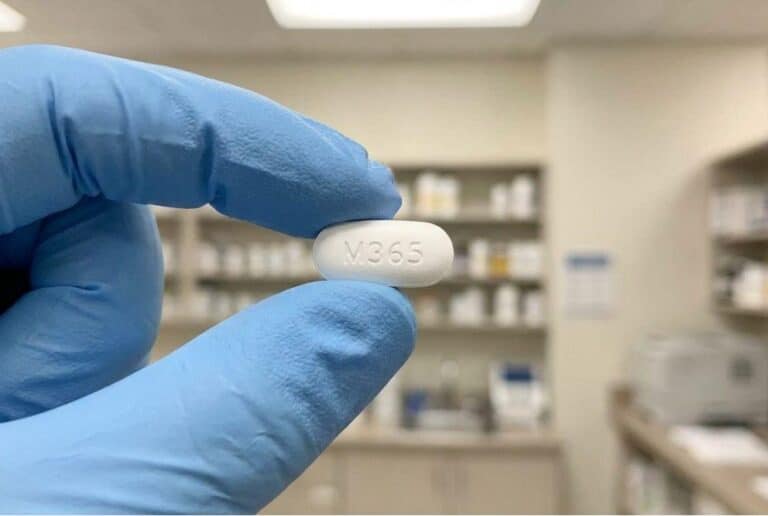
The M365 pill is a commonly prescribed medication used for pain relief, but it carries serious risks when misused. Understanding the M365 pill can help individuals recognize warning signs and avoid dangerous outcomes tied to opioid use. It’s surprising how something so unremarkable can carry so much weight, stirring up questions about whether it’s safe or if it could cause harm. The truth is, this M365 pill can bring much-needed relief, but it also carries risks that aren’t always obvious at first glance. If you’re feeling unsure, you’re not alone, and there’s support if those fears feel too heavy to carry on your own.
Uncovering the Risks of the M365 Pill White
The M365 pill white is a prescription medication that contains hydrocodone bitartrate and acetaminophen, making it a powerful pain reliever used for moderately severe pain and severe pain. This combination works by affecting the brain and spinal cord to block pain signals, offering pain relief for conditions such as dental pain, injury-related pain, and chronic pain. Because the M365 pill is a Schedule II controlled substance, it has a high potential for misuse, physical dependence, and opioid dependence. This highlights the importance of opioid addiction treatment centers in Massachusetts.
What Is the White Pill with M365 on It?
If you are wondering what pill has M365 on it, the answer is a specific prescription pain medication. Using a pill identifier, M365 search reveals that this is a combination drug used to treat moderate to severe pain.
Here is how you can positively identify it:
- Appearance: The M365 pill white medication is oblong or capsule-shaped.
- Imprint: You will see the characters “M365” stamped clearly on one side. This makes the white oval pill M365 easy to recognize in a medicine cabinet.
- Shape and Texture: Sometimes people refer to it as an M365 white long pill or a white tablet M365 due to its distinct, elongated shape and smooth coating.
- Ingredients: It contains a carefully measured mix of hydrocodone, a strong opioid, and acetaminophen, a common over-the-counter pain reliever.
Manufactured primarily by Mallinckrodt Pharmaceuticals, this medication requires incredibly careful handling.
M365 Pill Ingredients and How It Works for Pain Relief
The power of this medication comes from its two active ingredients. A standard dose contains 5mg of hydrocodone bitartrate and 325mg of acetaminophen. According to FDA-approved labeling details, these components work together as a highly effective, dual-action analgesic.
Hydrocodone is an opioid that actively changes how your central nervous system responds to pain. It blocks pain signals in the brain and spinal cord. Acetaminophen is a non-opioid pain reliever that reduces fever. It also provides additional relief by targeting different chemical pathways throughout your body.
You might recognize these ingredients from well-known brand names. The M365 formulation is very similar to widely prescribed medications like Norco and Vicodin. By combining these two drugs, doctors can provide effective relief while using a lower dose of the opioid component. However, this combination also means you must be mindful of both the hydrocodone strength and your total daily acetaminophen intake.

Check Insurance
We Accept Most Insurance
We are available 24 hours a day, 7 days a week to help you or your loved one understand your insurance coverage. 100% confidentiality guaranteed.
Common Medical Uses for the M365 Pill
Doctors typically prescribe this medication for the management of moderate to moderately severe pain. This level of pain relief is usually needed when over-the-counter options are simply not strong enough to help you function normally.
Common medical uses of the M365 pill include acute pain management following a major medical event. For example, you might receive a prescription for post-surgical pain, severe dental pain after an extraction, or discomfort from a serious injury like a broken bone. It may also be used to ease chronic pain conditions.
It is crucial to understand that this medication is intended for short-term use only. Because of the risk of physical dependence, doctors usually prescribe it for pain management for just a few days. Using it strictly as directed helps ensure safe pain relief while minimizing the risk of long-term complications.
Potential Side Effects of the M365 Pill
The M365 pill is not something to take for everyday pain management or as a fever reducer. Like any powerful medication, taking this drug can cause unwanted reactions. If you are asking, “What are the M365 pill side effects?”, it helps to know what to expect and when to seek help. Mixing this pill with alcohol or other central nervous system depressants is extremely dangerous. Doing so can cause life-threatening breathing issues or severe harm to your body.
Common, Mild Side Effects
Most people who experience side effects will notice mild symptoms as their body adjusts to the medication. These often include:
- Unusual drowsiness or feeling very tired.
- Dizziness or lightheadedness when standing up quickly.
- Nausea or an upset stomach.
- Constipation.
Taking the medication with food can sometimes help ease nausea. Staying properly hydrated can also assist with constipation.
Serious Side Effects Requiring Medical Attention
Some reactions are medical emergencies. You should seek immediate help if you experience:
- Shallow breathing or respiratory depression.
- Signs of a severe allergic reaction, such as hives or swelling of the face and throat.
- Severe stomach pain or vomiting.
- Signs of acute liver failure include yellowing of the skin or eyes and dark urine.
Taking too much of this medication can lead to a fatal overdose. Always stick to your exact prescribed dose. Other pain medications are safer and effective pain relief options once you are done with the typically-prescribed window of a few days.
Is the M365 Pill Addictive? Understanding the Risks
It is completely natural to worry about the safety of your prescription. Because it contains a strong opioid, this controlled substance carries a very high potential for abuse. Even when taken exactly as directed, a person can develop an opioid use disorder. According to national data, hydrocodone is one of the most frequently prescribed and misused medications in the country.
It is helpful to understand the difference between tolerance, dependence, and addiction. Tolerance means you need more of the drug to feel the same effect. Dependence happens when your body adapts to the medication and needs it to function normally. Addiction is a behavioral condition marked by a loss of control and compulsive drug use despite harmful consequences. Research on chronic pain patients shows that a significant percentage can develop these issues over time.
Recognizing the Signs of M365 Misuse and Dependence
If you are concerned about yourself or a loved one, watch for these signs of misuse:
- Taking more pills than prescribed or taking them more often.
- “Doctor shopping” to get multiple prescriptions.
- Neglecting work, school, or family responsibilities.
- Social withdrawal or spending time with new, substance-using peer groups.
- Noticeable behavioral changes, including mood swings or shifts in personal appearance.
Withdrawal Symptoms from the M365 Pill
When someone with an opioid dependence stops taking the medication suddenly, their body reacts strongly. Common withdrawal symptoms include intense anxiety, muscle aches, insomnia, sweating, and painful stomach cramps. Because detox can be deeply uncomfortable and sometimes dangerous, medical supervision is always recommended to ensure a safe transition.

Alcohol and Drug Addiction Treatment Options
Getting help from a drug and alcohol rehab Massachusetts offers hope for an opioid addiction. Licensed therapists conduct therapy sessions to help you overcome addiction to prescription medication.
Cognitive Behavioral Therapy
Cognitive behavioral therapy Massachusetts helps individuals understand how thoughts influence behaviors tied to substance use and opioid use disorder. This approach supports addiction treatment by building coping skills and reducing reliance on prescription painkillers like the M365 pill.
Dialectical Behavior Therapy
Dialectical behavior therapy (DBT therapy Massachusetts) focuses on managing emotions and improving distress tolerance. It is especially helpful for individuals with co occurring mental health issues, such as anxiety or depression, that can increase reliance on pain medications.
Group Therapy
A group therapy program Massachusetts provides a supportive setting where individuals can share experiences related to substance use and recovery. It helps reduce isolation and encourages accountability throughout addiction treatment.
Individual Therapy
An individual therapy program Massachusetts offers one on one care that addresses personal triggers, substance use history, and mental health needs. This personalized approach helps individuals develop strategies for long term recovery.
Family Therapy
Family therapy Massachusetts helps repair relationships and strengthens communication among loved ones. Involving family members can improve outcomes and support recovery from opioid use disorder.
Inpatient and Outpatient Options
Finding a trusted drug and alcohol rehab Massachusetts means finding a program that fits your needs and lifestyle. Detox and inpatient options are available at a trusted partner facility.
Detox Massachusetts
Drug and alcohol detox Massachusetts provides medical supervision to safely manage withdrawal symptoms from substances like hydrocodone bitartrate. This is often the first step in addiction treatment.
Inpatient Rehab
Inpatient rehab Massachusetts offers structured, 24-hour care in a controlled environment. It is ideal for individuals with severe substance use or those at high risk of relapse.
Intensive Outpatient Program
An intensive outpatient program Massachusetts (IOP) offers more structured care than standard outpatient services. It focuses on relapse prevention and building coping strategies.
Partial Hospitalization Program
A partial hospitalization program Massachusetts (PHP) provides comprehensive care during the day while allowing individuals to return home at night. It bridges the gap between inpatient and outpatient treatment.
Telehealth Programs
Telehealth mental health programs provide access to treatment from home, increasing flexibility while maintaining consistent support and therapy.
Hopeful Recovery from M365 Pill Addiction in Woburn, MA
If you or someone you love is struggling with opioid dependence, finding the right help can feel overwhelming. You do not have to face this alone.
We offer structured outpatient treatment options, including PHP and IOP levels of care. These flexible programs are designed for busy adults in the Massachusetts suburbs. You can get expert, compassionate addiction treatment without having to leave your family or put your career on hold.
Our clinical staff at Woburn Addiction Treatment provides the medical oversight and behavioral support necessary to safely taper off opioids and rebuild your daily routines. To discuss our flexible outpatient programming , contact us today by calling (781) 622-9190. Visit our Google Business page to learn more about treatment options and support.
Sources
National Library of Medicine. (2010, October 19). Hydrocodone bitartrate and acetaminophen tablet (Label information). DailyMed.
U.S. Drug Enforcement Administration. (n.d.). Controlled substance schedules. DEA Diversion Control Division.
StatPearls Publishing. (2024, October 6). Hydrocodone and acetaminophen. NCBI Bookshelf.
StatPearls Publishing. (2024, February 29). Hydrocodone. NCBI Bookshelf.
StatPearls Publishing. (2024, January 11). Acetaminophen. NCBI Bookshelf.
National Library of Medicine. (2025, October 15). Hydrocodone combination products. MedlinePlus.
U.S. Food and Drug Administration. (2018, February 5). Understanding unapproved use of approved drugs (“off label”).
StatPearls Publishing. (2024, January 10). Adverse drug reactions. NCBI Bookshelf.
PubMed Central. (2016, June 15). Acetaminophen-induced hepatotoxicity, a comprehensive update.
National Library of Medicine. (2015, April 22). Rates of opioid misuse, abuse, and addiction in chronic pain. PubMed.
National Library of Medicine. (2024, May 4). Opiate and opioid withdrawal. MedlinePlus.
National Library of Medicine. (n.d.). The relationship of addiction, tolerance, and dependence to alcohol and drugs. PubMed.
Massachusetts Department of Public Health. (2024, June 12). DPH report, Massachusetts opioid-related overdose deaths decreased 10 percent in 2023.
Centers for Disease Control and Prevention. (2026, March 3). Vital statistics rapid release, provisional drug overdose data.


