

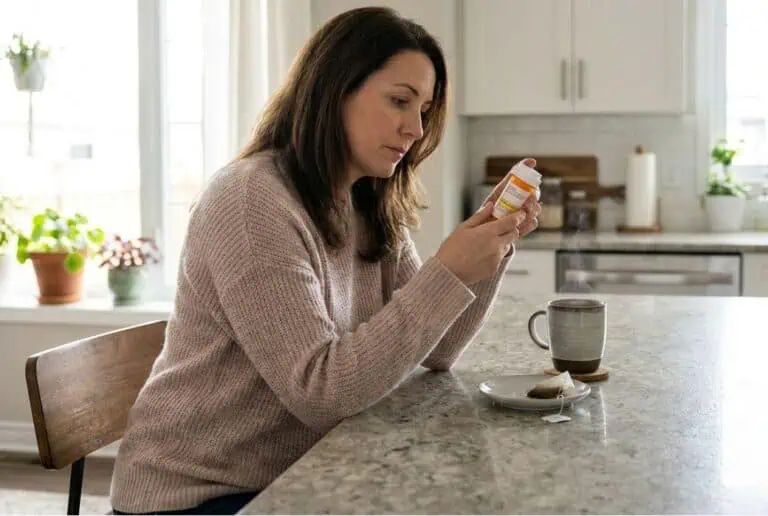
Prednisone and alcohol are a risky combination that many people do not think twice about. Understanding the dangers of mixing these substances can help protect your health and point you toward the right support. If you’re not sure whether it’s safe to mix prednisone and alcohol, you’re not alone. It’s more complicated than it might seem. Knowing how these substances interact can help you make safer choices and avoid risks that are easy to overlook.
Prednisone and Alcohol Interaction
Prednisone is a corticosteroid used to treat autoimmune disorders, inflammatory conditions, allergic reactions, ulcerative colitis, and Crohn’s disease. It works by suppressing the immune system to reduce inflammation throughout the body. When you drink alcohol while taking prednisone, both substances place significant stress on your liver and digestive tract. The combination can raise blood sugar levels, increase blood pressure, and worsen gastrointestinal bleeding. If you or someone you love is struggling with alcohol use, exploring addiction treatment options is an important first step toward recovery.
Can You Drink Alcohol While Taking Prednisone?
When you are prescribed this medication, one of the most common questions is whether you can mix prednisone and alcohol safely. The short answer is that combining them is generally not recommended by medical professionals.
Prednisone is a powerful corticosteroid, often referred to alongside other medications like prednisolone, used to treat severe inflammation. While there is no direct chemical interaction between steroids and alcohol, both substances share overlapping side effects that heavily tax your body.
If you are wondering, can you drink on prednisone, you have to consider how your body processes these substances. For a very small number of individuals on low doses for short-term use, a single light drink might carry a lower risk.
However, this is never a guarantee. You should always get explicit approval from your prescriber before consuming any alcohol. They know your health history and can tell you if a single drink is safe for your specific situation.
According to the National Institute on Alcohol Abuse and Alcoholism, mixing alcohol with certain medications can lead to potentially dangerous consequences. Even light drinking can amplify the adverse effects of steroids.
Alcohol puts extra strain on your liver, disrupts your body’s natural healing process, and can make the underlying condition you are trying to treat much worse. It is always safer to wait until your treatment is completely finished.
Understanding the Prednisone and Alcohol Interaction
When we talk about the prednisone and alcohol interaction, we are really talking about how these two substances intensify each other’s side effects. They do not cancel each other out, nor do they create a new toxic chemical in your stomach.
Instead, they both attack the same vulnerable systems in your body at the same time. This compounding effect is what makes the combination so risky. While severe reactions may not happen to everyone, they typically occur when you ignore warning signs or drink heavily.
Gastrointestinal Problems and Stomach Bleeding
Both alcohol and prednisone are known stomach irritants. Prednisone works by reducing inflammation, but it also reduces the protective mucus lining in your stomach and duodenum. This leaves your stomach tissue highly vulnerable to the acid you naturally produce. Alcohol, on the other hand, directly inflames and damages that same stomach lining.
When you mix them, you significantly increase your risk for developing a peptic ulcer or experiencing severe stomach bleeding. This is known as gastrointestinal bleeding.
The danger is even greater if you are taking NSAIDs like ibuprofen or naproxen. Just like the dangers of acetaminophen and alcohol interactions, adding steroids and alcohol together creates a harsh environment for your digestive system.
According to the National Institute of Diabetes and Digestive and Kidney Diseases, GI bleeding can escalate quickly and requires immediate medical attention.
Weakened Immune System
Prednisone is an immunosuppressant. It naturally suppresses your immune response to stop your body from attacking itself, which is vital for treating autoimmune diseases and severe allergic reactions. However, this leaves you with a weakened immune system.
Alcohol also impairs your immune function. Regular drinking disrupts your body’s ability to fight off foreign invaders.
When you combine them, your body loses its primary defenses. You become highly susceptible to infections like the flu, pneumonia, or even common colds. Healing times are drastically reduced, meaning a simple illness can linger for weeks or escalate into a serious health crisis.
Blood Sugar Fluctuations
Steroids are notorious for causing rapid spikes in blood sugar levels. They increase insulin resistance and prompt your liver to release more glucose into your bloodstream. For many patients, blood sugar levels peak dangerously high after meals while taking this medication.
Alcohol introduces a completely different problem. Drinking alcohol can cause erratic drops or sudden spikes in blood sugar, depending on how much you drink and whether you have eaten. This combination makes blood sugar fluctuations incredibly difficult to manage.
This is particularly dangerous for those with diabetes type 2 or prediabetes. The competing effects can lead to severe metabolic emergencies, including life-threatening hypoglycemia overnight.
Bone Density Loss
Long-term use of both substances severely impacts your bone health. Prednisone decreases the amount of calcium your body absorbs from food and increases how fast bone tissue is broken down. Over time, this leads to weakened bones and bone density loss.
Heavy alcohol consumption also suppresses the cells that build new bone and interferes with calcium metabolism. When combined over a long period, you face a drastically increased risk of developing osteoporosis and suffering from painful fractures. Protecting your bones requires limiting alcohol, especially if your treatment plan lasts longer than a few weeks.

Check Insurance
We Accept Most Insurance
We are available 24 hours a day, 7 days a week to help you or your loved one understand your insurance coverage. 100% confidentiality guaranteed.
When to Avoid Alcohol Completely on Prednisone
There are specific medical situations where drinking alcohol is highly dangerous and explicitly contraindicated. You should completely avoid alcohol if your personal health history includes certain risk factors. If you are asking, can you take prednisone and drink alcohol, the answer is an absolute no if you meet any of the criteria below.
You must avoid alcohol entirely if you:
- Are taking a high dosage of steroids for a severe inflammatory condition
- Are on long-term use steroid treatment plans that last for several months
- Have an existing diagnosis of liver damage, cirrhosis, or fatty liver disease
- Have a history of stomach ulcers, severe heartburn, or gastrointestinal bleeding
- Struggle to control your drinking or have a history of an alcohol use disorder
- Are taking blood thinners or NSAIDs alongside your steroid prescription
- Have poorly controlled diabetes or a history of severe blood sugar drops
Your personal health history dictates whether it is safe to have even a single drink. If you have co-occurring mental health and substance use issues, mixing alcohol and prednisone can also severely destabilize your mood.
For individuals seeking help with these complex challenges, dual diagnosis treatment centers Massachusetts provide essential guidance. Always consult your doctor, as protecting your physical and mental health should always be the priority.
How Long After Taking Prednisone Can You Drink Alcohol?
A very common question patients ask is, how long after taking prednisone can you drink alcohol? The answer depends entirely on how long you have been taking the medication and how large your dose was. Prednisone has a half-life of roughly three to four hours in the average adult. This means it takes about 20 to 22 hours for the drug to clear completely from your system.
Warning Signs: When to Seek Medical Attention
Mixing these substances can sometimes lead to acute medical emergencies. Knowing When To Seek Medical Attention can save your life. Because both substances irritate the stomach and affect your metabolism, you need to be hyper-aware of your body’s signals.
| Symptom / Warning Sign | Associated Health Risk | Recommended Action |
|---|---|---|
| Severe stomach pain, vomiting bright red blood, or black/tarry stools | Severe stomach bleeding (gastrointestinal problems) | Go to the emergency room or call 911 immediately. |
| Extreme thirst, very frequent urination, sudden dizziness, or confusion | Dangerous blood sugar fluctuations or metabolic crisis | Seek urgent medical care and check blood sugar if diabetic. |
| High fever, intense chills, shortness of breath, or a persistent deep cough | Severe infection due to a compromised immune system | Contact a doctor or visit urgent care right away. |
If you experience severe stomach bleeding, the situation can escalate rapidly. Black, tarry stools indicate blood has been digested, while bright red blood signals an active bleed lower in your digestive tract.
If you find yourself in the emergency room due to alcohol-related complications, it might be time to seek long-term help. Professional drug and alcohol detox Massachusetts programs at referred centers can help you safely manage withdrawal and regain your health in a secure, clinical environment.
Similarly, an inpatient rehab Massachusetts at a partner facility can help you recover safely and free from distractions.
Our partial hospitalization program (PHP) Massachusetts provides structured, full-day treatment while clients return home each evening. PHP is a strong fit for those stepping down from inpatient care or those with serious health complications needing close monitoring. It includes therapy, medical support, and skill-building throughout the week.
Our intensive outpatient program Massachusetts meets clients where they are in their recovery journey. IOP provides multiple therapy sessions per week alongside the flexibility to maintain work or family commitments. It is a practical option for those managing alcohol use disorder and co-occurring mental health conditions.
Outpatient rehab Massachusetts supports clients at the final stages of their treatment programs or those with mild to moderate alcohol use concerns. Our dual diagnosis treatment centers Massachusetts addresses both alcohol addiction and co-occurring mental health diagnoses at the same time. Treating both conditions together leads to stronger, more sustainable recovery outcomes.
Need Help with Alcohol or Prescription Drug Use?
Mixing prednisone and alcohol puts your body and mind at serious risk. From gastrointestinal problems and liver strain to worsening mental health conditions, the effects of combining alcohol with this medication are not to be ignored.
If you or someone you care about is ready to stop drinking and get real support, Woburn Addiction Treatment is here to help. Reach out to our team today through our contact page, visit our Google page to learn more about us, or call us directly at (781) 622-9190. Recovery is possible, and it starts with one conversation.
Sources
National Institute on Alcohol Abuse and Alcoholism. (May 8, 2025). Alcohol-Medication Interactions: Potentially Dangerous Mixes. National Institute on Alcohol Abuse and Alcoholism.
Substance Abuse and Mental Health Services Administration. (June 9, 2023). National Helpline for Mental Health, Drug, Alcohol Issues. SAMHSA.
MedlinePlus. (June 20, 2024). Prednisone: MedlinePlus Drug Information. MedlinePlus.
National Institute of Diabetes and Digestive and Kidney Diseases. (October 6, 2025). Symptoms & Causes of GI Bleeding. National Institute of Diabetes and Digestive and Kidney Diseases.


