


Vivitrol injections offer a science-backed, medication-assisted treatment option for individuals struggling with alcohol dependence or opioid dependence. As part of an integrated treatment program, Vivitrol can help prevent relapse, reduce cravings, and support long-term recovery—without the use of a controlled substance. But how does Vivitrol work, and what should patients expect when starting treatment?
At Woburn Addiction Treatment, we provide evidence-based care that includes alcohol pharmacotherapies like Vivitrol, helping clients safely and successfully manage their recovery.
What Is Vivitrol Extended Release Microsphere Formulation?
Vivitrol is a prescription medication used to support recovery from alcohol use disorders and opioid dependence. Classified as an opioid medication alternative, Vivitrol contains naltrexone, a non-addictive opioid receptor antagonist that helps people maintain sobriety without producing a high.
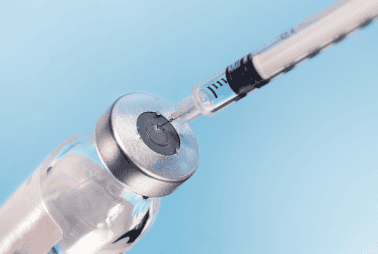
Unlike daily oral medications, Vivitrol is given as an extended release gluteal injection administered by a healthcare provider once every four weeks. The standard Vivitrol dose is 380 mg per month, allowing the medication to remain active in your system for consistent, ongoing protection against relapse.
Because Vivitrol is not habit-forming and does not contain opioids, it is considered a safe option for patients who want help managing cravings after detox.
However, individuals must be completely opioid-free before starting treatment to avoid triggering opioid withdrawal or other severe reactions.
How Does Vivitrol Work?
Vivitrol works by blocking opioid receptors in the brain. When naltrexone blocks these receptors, it prevents the euphoric and sedative effects that people experience when they drink alcohol or use opioids. By removing this “reward,” Vivitrol reduces the desire to use substances and supports long-term abstinence.
This extended release injection also provides additional benefits for people in recovery:
- Reduces cravings for alcohol and opioids
- Prevents relapse in opioid-free individuals
- Blocks the high if someone attempts to use again
- Encourages abstinence by removing the reward of substance use
While Vivitrol does not treat withdrawal symptoms or provide pain relief, it is most effective when used after detox, alongside therapy, counseling, and other structured recovery supports.
Vivitrol for Alcohol Addiction and Alcohol Dependence
Vivitrol injections are FDA-approved to treat alcohol dependence, especially when combined with counseling and behavioral therapy. This form of alcohol pharmacotherapy works best for patients who have already detoxed and are committed to recovery. According to the Mental Health Services Administration and various treatment improvement protocols, naltrexone has shown effectiveness in helping individuals maintain abstinence and reduce heavy alcohol use.
By incorporating alcohol pharmacotherapies into a comprehensive care model, Woburn Addiction Treatment supports clients not only through alcohol withdrawal, but throughout their ongoing recovery process.
Vivitrol for Opioid Addiction
Vivitrol is also effective in treating opioid addiction, but patients must be fully opioid-free for 7–14 days before receiving their first injection. Administering Vivitrol too early can trigger severe withdrawal symptoms, including restlessness, nausea, vomiting, diarrhea, and stomach cramps.
When used correctly, Vivitrol affects the brain’s reward system by blocking opioid receptors, offering opioid blocking effects that help patients resist relapse and rewire their brain for recovery.
Benefits and Considerations of Incorporating Alcohol Pharmacotherapies
Vivitrol, also known as Vivitrol naltrexone, is an FDA-approved (Food and Drug Administration) medication that offers a non-habit forming option for people recovering from alcohol or opioid dependence.
While Vivitrol can be highly effective, it’s important to understand both its benefits and considerations before starting treatment in a professional medical practice.
Benefits of Vivitrol in Medical Practice
- Extended release coverage: A single dose of Vivitrol is administered as a monthly gluteal muscle injection, meaning no daily pills and more consistent relapse protection.
- Reduces cravings and blocks highs: By binding to opioid receptors without creating physical dependence, Vivitrol helps prevent relapse and reduces the desire to use substances.
- Part of evidence-based MAT: Vivitrol is widely used in medication-assisted treatment (MAT) programs to support recovery from alcohol use disorders and opioid dependence.
- Non-addictive: Unlike some other treatment medications, Vivitrol does not produce euphoria or sedation.
Considerations and Limitations of a Dose of Vivitrol
- Requires full detox first: Individuals must be completely opioid-free for 7–14 days before their first injection to avoid withdrawal symptoms such as vomiting, diarrhea, stomach cramps, and intense pain. Starting too early may require hospitalization.
- Potential for side effects: While generally safe, Vivitrol can cause injection site reactions, liver concerns, and in rare cases severe allergic reactions.
- Effectiveness relies on therapy: Vivitrol works best when combined with counseling, behavioral therapy, and a comprehensive relapse prevention plan.
- Prescribing information and interactions: Patients should review official prescribing information and discuss how Vivitrol interacts with other medications or the oral form of naltrexone before starting treatment
Understanding both the benefits and limitations of Vivitrol helps patients and families make informed decisions alongside their healthcare provider, creating a safer and more successful recovery journey.
Potential Side Effects and Injection Site Reactions
While Vivitrol injections are generally safe and well tolerated, patients should be aware of possible side effects, particularly injection site reactions. These may include:
- Swelling, redness, or pain at the injection site
- Severe injection site reactions including serious injury or inadvertent subcutaneous injection
- Allergic reaction or serious allergic reaction (rare)
- Liver toxicity in patients with preexisting liver issues
- Depression, anxiety, or depressed mood
Patients with a bleeding disorder or impaired liver function should discuss risks with a healthcare provider before starting Vivitrol.

How Vivitrol Compares to Other Medication-Assisted Treatments
When it comes to recovery from opioid use, alcohol dependence, or other forms of substance abuse, patients often explore medication-assisted treatments (MAT) such as Methadone, Suboxone (buprenorphine/naloxone), and oral naltrexone.
Key Differences Between MAT Options
Each medication has unique benefits, but Vivitrol stands out as a non-addictive, opioid-free option that fits into modern medical practice and incorporates alcohol pharmacotherapies for comprehensive recovery.
Vivitrol (Extended Release Naltrexone)
Vivitrol is a non-addictive opioid antagonist that helps patients avoid relapse and manage cravings without creating physical dependence.
- Type: Opioid antagonist that blocks the effects of opioid drugs without creating physical dependence.
- Administration: Monthly extended release formulation given as a gluteal injection in a healthcare provider’s office.
- Recommended dose: 380 mg per month (entire dose pack) with each subsequent injection to maintain the therapeutic effect.
Key Benefits:
- Non-habit forming and opioid-free
- Reduces cravings for alcohol and opioids
- Helps prevent relapse and discourages the desire to drink alcohol
Considerations:
- Requires full detox to avoid opioid withdrawal
- Does not provide pain relief or treat acute withdrawal symptoms
- Patients must follow all prescribing information and review interactions with other drugs
Methadone
Methadone is a long-standing opioid agonist therapy that reduces withdrawal symptoms and cravings but may lead to physical dependence.
- Type: Opioid agonist that activates opioid receptors to prevent withdrawal and reduce cravings.
- Administration: Daily oral dose dispensed in certified clinics.
Considerations:
- Can create physical dependence
- Requires daily clinic visits for dosing
- Potential for misuse or diversion
Suboxone (Buprenorphine/Naloxone)
Suboxone is a partial opioid agonist that provides relief from cravings and withdrawal with a lower risk of euphoria.
- Type: Partial opioid agonist that reduces cravings and withdrawal symptoms.
- Administration: Typically a daily sublingual film or tablet.
Considerations:
- Can start sooner than Vivitrol post-detox
- Still involves a controlled substance and potential dependence
If you want an opioid-free option that provides a once-monthly therapeutic effect, Vivitrol may be the right choice—especially when combined with therapy and relapse prevention planning.
Unlike Methadone or Suboxone, Vivitrol has no risk of creating physical dependence, but it requires complete detox and consistent follow-up with your healthcare provider.

Is Vivitrol Right for You?
Vivitrol injections can be a valuable option for individuals recovering from alcohol use disorder or opioid dependence. Unlike daily medications or opioid-based treatments, Vivitrol is non-habit forming and administered monthly. It is most effective when used as part of a comprehensive recovery plan that includes therapy, counseling, and relapse prevention strategies.
It is important to recognize that Vivitrol is not a cure on its own. Instead, it serves as a key component of medication-assisted treatment, helping to reduce cravings, block the effects of opioids, and support long-term recovery. When combined with professional medical oversight and evidence-based behavioral therapies, Vivitrol can significantly improve the likelihood of maintaining sobriety.
You may be a good candidate for Vivitrol if you:
- Are fully detoxed from opioids or alcohol and free from acute withdrawal symptoms, as starting too soon can cause severe reactions
- Have experienced repeated relapse and are seeking additional support to maintain sobriety
- Want to reduce cravings and triggers that make recovery from alcohol dependence or opioid use difficult
- Prefer an extended release option that provides a therapeutic effect for four weeks at a time, eliminating the need for daily pills
- Can commit to regular appointments with a healthcare provider, including monthly visits for your recommended dose and ongoing progress monitoring
Vivitrol works best when combined with:
- Counseling or behavioral therapy to address the emotional and psychological aspects of recovery
- Relapse prevention planning to prepare for triggers and high-risk situations
- Ongoing medical support to monitor for side effects and ensure safe, effective treatment
Choosing Vivitrol is a decision made with your healthcare provider, based on your history of substance abuse, overall health, and readiness for a long-term recovery plan.

Check Insurance
We Accept Most Insurance
We are available 24 hours a day, 7 days a week to help you or your loved one understand your insurance coverage. 100% confidentiality guaranteed.
Start Your Recovery With Woburn Addiction Treatment
At Woburn Addiction Treatment, we believe that lasting recovery is built on a foundation of compassionate care and evidence-based solutions. By incorporating alcohol pharmacotherapies and opioid receptor antagonists like Vivitrol into our individualized treatment plans, we help patients manage cravings, prevent relapse, and rebuild their lives with confidence. Whether you’re overcoming alcohol dependence, opioid addiction, or other forms of substance abuse, our experienced medical and therapeutic team will walk with you every step of the way.
If you’re ready to explore how Vivitrol can fit into a comprehensive recovery plan, Woburn Addiction Treatment is here to help. Our team can assess your needs, discuss your recommended dose and extended release treatment options, and guide you through a safe and supportive recovery journey. Contact Woburn Addiction Treatment today to speak with a healthcare provider, verify your insurance coverage, and take the first step toward a healthier, substance-free future.
Sources
Kranzler, Henry R., and Raymond F. Anton. Clinical Manual of Addiction Psychopharmacology. American Psychiatric Publishing, 2008. National Center for Biotechnology Information (NCBI).
Substance Abuse and Mental Health Services Administration. “Naltrexone.” SAMHSA, 2024.
Sullivan, Maria A., and Frances R. Levin. “Treatment of Opioid Use Disorder with Naltrexone: The Expanding Role of Extended-Release Formulations.” Journal of Neuroimmune Pharmacology, vol. 5, no. 4, 2010, pp. 476–484. PubMed Central (PMC).


